
Colorado’s intense sun and heavy snow rot wood decks and wash away loose gravel paths. A backyard concrete patio solves this problem by giving you a strong, lasting base.
To start planning your backyard project, contact our expert concrete patio team today.
A backyard concrete patio serves as the durable, low-maintenance foundation for Denver Metro Area homeowners looking to improve their outdoor living spaces. You can customize these spaces with unique shapes, including rectangles, squares, or smooth curved edges. Textured finishes like stamped patterns or broom-finish concrete combine with rich colors to make a beautiful, lasting look. Backyard planning experts at the University of California say matching your patio layout to your lifestyle is key. A professional pour resists Colorado’s freeze-thaw cycles and gives you a stable, slip-resistant base that easily supports heavy furniture. This strong base protects your investment so your family can enjoy outdoor dining and relaxing for many years.
Denver families often wonder how to choose the right shape, layout, and finish for their yard. This guide walks you through the best options to plan your perfect space. We start by showing why concrete is a smart foundation for outdoor living.
Why a Concrete Patio Is the Foundation of Great Outdoor Living
A backyard concrete patio offers a strong, easy foundation that anchors your entire outdoor design. By choosing this solid base, you create a useful surface that withstands Colorado weather and supports custom features for decades.
Durable Base for Denver Weather
Colorado weather brings intense sun, heavy snow, and sudden freeze cycles. A standard wood deck can warp, splinter, or rot over time under these harsh conditions. But a well-built backyard concrete patio remains stable year after year without shifting. It acts as a solid anchor for your yard, keeping its shape through the coldest winters and warmest summers. This strength means you spend less time on repairs and more time enjoying your space.
By using strong concrete and steel mesh, our team makes sure your new patio handles heavy traffic. You get a strong base that does not sag or sink. This long-term strength makes concrete the best choice for homeowners in the Denver Metro Area. It holds up well under heavy patio furniture, large potted plants, and frequent gatherings.
Designing for Your Unique Lifestyle
When you plan your new backyard layout, your family’s daily habits should guide the design. Researchers at the University of California suggest looking at how you live to decide on the size and shape of your patio. For example, if you love to cook, you might need a special space for a large grill or a stone outdoor kitchen.
If you want a quiet place to read, a small private nook in a shady corner might be best. You can also plan open zones for active games or safe areas for children to play. Thinking about these daily uses first helps you map out a layout that makes your yard truly useful. A good design matches your habits and makes moving from indoors to outdoors feel smooth.
The Foundation for Complete Outdoor Environments
A concrete pad is rarely just a flat piece of stone. Instead, it serves as the starting point for great outdoor living spaces. Once you have a strong, level slab, you can easily add other features. You might add a custom brick fire pit for crisp autumn nights or build a wooden pergola to block the bright afternoon sun.
This freedom lets you build your dream yard over time. A wood deck limits your choices because it cannot easily hold the weight of heavy stone features or structures. Concrete gives you the room to expand, change, and refine your yard as your household needs grow. You can start with a basic slab and add more features when you are ready.
Backyard Concrete Patio Shapes and Layouts for Any Denver Yard
A backyard concrete patio can be shaped as a simple square, a custom curve, or a series of modern steps to fit your space. Planning the layout around your yard’s natural slope and soil helps create a beautiful area that lasts for years.
Classic shapes for modern yards
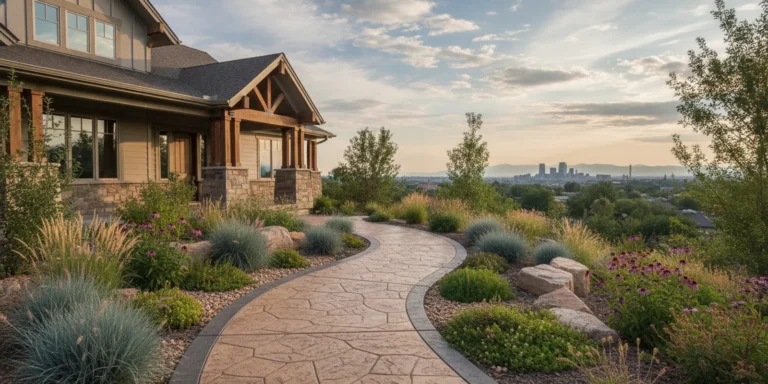
Most homeowners start with a simple shape like a square or a rectangle. These clean lines fit well next to home walls and make it easy to place outdoor dining tables or lounge chairs. If you prefer a softer style, flowing curves and freeform borders can blend the concrete into your grass and garden beds. Curved edges soften the link between your house and the garden, making your yard feel more open.
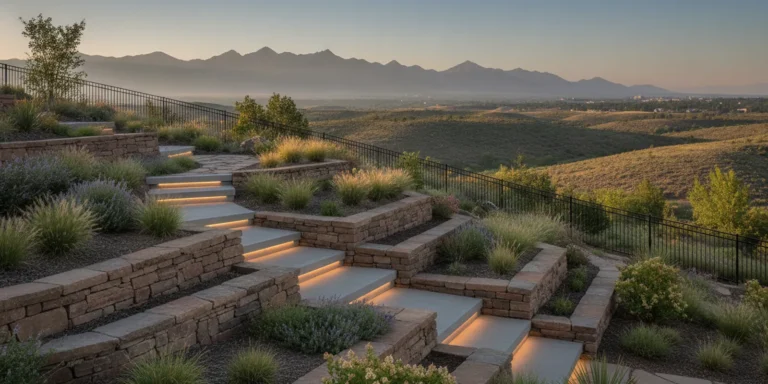
Multi-level patios work well if your yard has a slope. You can build a high level for grilling and a low level for a fire pit. This separates your outdoor zones without building walls. It also adds depth to your outdoor living space and gives you a clear view of the Denver foothills.
Designing with joints and segments
Large spaces of flat concrete can sometimes look plain or run the risk of cracking. To prevent cracks, slabs larger than ten feet by ten feet must have control joints cut into them. You can learn more about these guidelines directly from the Quikrete building guide. Instead of hiding these joints, we can use them as a design tool to make your patio look like high-end stone tile.
Another modern option is to break up large patios into smaller slabs with gaps in between. Filling these gaps with green grass or small river rocks creates a striking checkerboard look. This style is inspired by popular ideas from HGTV outdoor design guides. It allows water to drain easily and prevents a large concrete area from looking too heavy or dull in your yard.
Site factors and professional planning
Before pouring any concrete, a careful study of your land is needed. Local factors like clay soil, sun exposure, and water flow will dictate where your patio can sit. Extension experts at North Carolina State University point out that studying site conditions is the key to creating a lasting landscape design.
In the Denver Metro Area, our hot summer sun and heavy winter snow can damage poorly planned concrete. Getting the slope right ensures that melting snow drains away from your home foundation instead of pooling on your patio.
Working with an expert Denver concrete contractor is the best way to handle these local challenges. Our owner-led team is headed by Ricardo Alfaro, who brings over thirty years of hands-on building skill to every project. We know how to prepare the soil, set up proper base gravel, and pour a slab that stands up to the Colorado freeze-thaw cycle. By choosing the right shape, you can turn your yard into a useful space that adds long-term value.
Which Concrete Finish Is Right for Your Backyard?
Choosing the right concrete finish depends on how you plan to use your outdoor space and the design of your home. Denver homeowners can choose from slip-resistant broom finishes, highly textured exposed aggregate, or decorative stamped concrete upgrades.
| Finish | Look | Best For | Care |
|---|---|---|---|
| Broom finish. | Simple, subtle texture. | Dining and pool areas. | Low. |
| Smooth finish. | Sleek, flat bands. | Borders and accents. | Low to medium. |
| Stamped concrete. | Stone, brick, or slate. | High-impact focal patios. | Medium, reseal. |
| Exposed aggregate. | Rustic pebbled surface. | Paths and outdoor kitchens. | Low. |
Broom and smooth finishes
Classic finishes are simple and work well for many yards. A broom finish is made by dragging a broom across fresh concrete to leave a safe, slip-resistant texture. This texture is best for active areas like dining spots and pool sides. A smooth finish is flat and sleek, but it can get slick when wet. It is often used for small borders or decorative bands to frame the rougher texture.
Often, a mix of both finishes works best for a backyard concrete patio. You should plan patio surfaces around how you live and play. This advice comes from the University of California Division of Agriculture and Natural Resources. It helps keep your yard safe and useful. Denver homeowners often choose a broom finish for walking paths and a smooth finish for borders.
Stamped concrete upgrades
If you want a bold style, stamped concrete is a great upgrade. This method uses rubber stamps to press patterns into wet concrete to look like stone, brick, or slate. It gives you the look of fine stone but keeps the strength of a solid concrete slab. This means you get a custom surface that lasts for decades under the Colorado sun.
To make sure your design looks right, select patterns and colors that match your home style. You can find ideas on sites like Houzz. It shows how different patterns blend with many home styles. Stamping is a great way to customize your yard. It makes the patio feel like a true part of your home.
Exposed aggregate options
Exposed aggregate is another textured option. This finish removes the top layer of concrete paste to show the pebbles and stone pieces mixed inside. It is durable, slip-resistant, and has a natural, rustic look that blends well with Denver gardens. It also hides dirt and wear well over time. This makes it a great choice for high-traffic paths and outdoor kitchens.
No matter which finish you choose, you can use control joints as a design tool. Joints are needed to prevent random cracks. Placing them in a neat grid can make your patio look like large stone tiles. This simple layout trick adds a modern feel to the space without needing extra work. It turns a basic safety feature into a stunning visual pattern.
Color Treatments That Elevate a Plain Concrete Patio
Denver home owners can shade a backyard concrete patio with integral color, rich stains, or custom borders to match their home’s style. These expert color methods turn gray slabs into a warm, friendly space for outdoor dining.
Integral color for base shading
Integral color goes straight into the mixer before the pour. This means the shade runs all the way through the slab, from the top surface to the bottom. If the surface gets a small chip or scrape, the gray concrete under it will not show. As Ricardo Alfaro points out, this method creates a subtle, matte tone that blends well with Denver yards. It is a great starting point for any backyard concrete patio design.
Before choosing a tone, you must check your yard’s sun exposure. A college study on analyzing site conditions shows that local sun and weather patterns must guide your hardscape plans. Strong Denver sunlight can fade some dark colors over time, so picking the right shade is key to a long-lasting look.
Stains and dyes for rich tones
If you want a more varied look, stains and dyes are great choices. Acid stains react with the concrete to make rich, mottled earth tones. This reaction creates a unique, marbled finish that looks like natural stone. On the other hand, water-based stains and dyes do not react with the concrete. Instead, they deposit small color pigments into the open pores of the surface. This gives you a much wider choice of bright, even shades.
When planning your patio, look at the choice of concrete vs pavers to see which surface fits your lifestyle. While pavers offer a classic look, stained concrete has more style choices and allows for seamless patterns. Working with an expert concrete contractor is the best way to ensure your color is mixed and applied the right way. A local professional can help you choose the best sealer to protect the dyed surface from harsh Colorado winters.
Adding borders and scored lines
Cut lines and borders also help break up a large slab. This technique involves making shallow grooves in the concrete after it sets. These lines can form square grids, diamonds, or custom borders that look like large tiles. You can stain the borders a darker color than the main patio to create a striking frame. This simple design trick adds depth and visual interest to a plain backyard concrete patio.
Staining concrete takes a high level of skill because the liquid must be applied in even layers. If the slab is too dry or wet, the color might look blotchy. A skilled concrete contractor knows how to prep the surface so the stains and dyes cure the right way. This careful prep ensures your colored patio looks great and holds up to heavy use for years to come.
How Do You Blend a Concrete Patio Into Your Landscape?
Blending a backyard concrete patio into your landscape requires soft borders and smart layout choices. In the Denver Metro Area, using planting beds, wood features, and warm lights creates a smooth transition from your home to your lawn.
Planting beds and borders
The hard edges of a concrete slab can feel cold. To soften them, you can wrap your patio with wide flower beds or rock borders. Fill these areas with native shrubs and plants that thrive in the dry Colorado climate.
Using plants with varied heights creates a tiered look. Tall grasses can block the wind, while low ground cover keeps the soil in place. This layering makes the concrete feel like a natural part of the yard, hiding the harsh lines of the hardscape.
When placing these plant borders, proper water runoff is a key step. Concrete patios need to shed water. A proper build uses a drainage slope of at least 1/8 inch per foot away from your home. This prevents pools of water from forming near your walls or patio edges.
Checkerboard designs and permeable surfaces
Another great way to blend concrete into your yard is with a checkerboard design. Instead of one large solid slab, you can lay out square concrete segments with grass or ground cover growing between them. This breaks up the flat surface and adds bright green color to your hardscape. The look is clean and modern, making your patio blend right into your lawn.
You can also use open zones between concrete slabs for better drainage. These permeable surfaces help manage stormwater runoff by letting rain and snowmelt soak back into the ground. In the Denver Area, where heavy summer storms can cause quick pooling, permeable hardscapes keep water from flooding your yard. It protects your soil and helps keep your lawn healthy.
Custom structures and landscape lighting
To make your patio feel like a true room in your yard, you can add wood structures. Installing a custom wood feature is a perfect way to blend your patio with the lawn. Adding pergola ideas to your design helps define your seating area and provides cool shade from the strong Colorado sun. The wood posts can sit directly on the concrete, or be wrapped in brick or stone bases to match other landscape features.
Finally, the right lights can tie your hardscape and garden together after sunset. Soft landscape lighting along the edges of your patio makes the transition from hard concrete to soft grass feel seamless at night. You can place path lights in your flower beds, install small lights on your steps, or hang string lights from your pergola. These lights make your backyard concrete patio usable at all hours, while highlighting your garden features.
Layering Outdoor Living: Fire Pits, Pergolas, and Lighting
A backyard concrete patio works best when you layer key features like shade, warmth, and lights over the solid base. Creating distinct zones for dining, cooking, and relaxing ensures your Denver outdoor space fits your daily lifestyle.
Designing for Your Denver Lifestyle
To build a great yard, you must plan your layout around the things you enjoy most. A solid outdoor living spaces project starts with a clear plan for different zones. According to research on planning your hardscape, modern home yards must reflect the specific lifestyle of the household. This means you should map out space for cooking, dining, and play before any concrete is poured.
Your backyard concrete patio serves as the main floor for these zones. In the Denver Metro Area, homeowners often split a large slab into distinct rooms. You can use a low wall or a custom finish to separate your cooking space from a quiet seating nook. This keeps your outdoor spaces organized and makes the yard feel much larger.
Adding Shade and Structure
A strong wooden structure on your backyard concrete patio provides shelter from the intense Colorado sun. Adding a pergola is a smart way to define your dining zone while keeping the area cool. You can find many custom pergola ideas that work well with stamped or stained concrete bases. These structures can be anchored directly into the concrete slab during building for maximum strength.
A pergola’s open roof allows cool air to flow freely while blocking direct sunlight. You can grow climbing vines like grapes or ivy over the beams for natural shade. This blend of warm wood and solid concrete creates a balanced, inviting look in your yard. It forms a cozy, room-like feel where your family can gather for meals.
Warmth and Evening Lights
To enjoy your yard after the sun goes down behind the mountains, you need warmth and light. A built-in stone fire pit placed on your patio provides a natural gathering spot for cool Denver nights. Safe fire pit placement requires a stable, fire-safe surface, making concrete the ideal choice. You can design the slab with a dedicated round pad to highlight this cozy feature.
Planned landscape lighting completes the space by making it safe and usable at night. Soft lights installed along the edges of your patio or under seating walls guide guests safely. You can also place small spotlights in nearby trees or garden beds to highlight your yard’s natural look. This careful placement of light and heat extends your outdoor time well into the autumn season.
What to Ask Before You Pour a Backyard Concrete Patio
Denver homeowners must ask about base prep, drainage slope, control joint placement, and reinforcement choices before pouring a new yard slab. Knowing these technical details helps you secure a long-term investment that withstands Colorado weather.
Patio construction standards
When you hire a professional concrete contractor in the Denver Metro Area, you need to verify their building standards. Poor design choices lead to premature cracking, while proper methods protect your yard and home. These five questions will help you find a skilled team to handle your project.
Building a high-quality backyard patio is a great long-term upgrade for your home. Expert crews do not take shortcuts when they prepare the ground, set the forms, or pour the mix. By learning about the building process, you can make sure your outdoor space stays strong and beautiful for many years.
Key questions for builders
- How will you prepare the base and compact the soil? Your builder should excavate eight to nine inches deep to place a four-inch gravel base under a four-inch slab. They should spread the crushed stone in thin, two-inch layers and pack each layer tight. A sturdy gravel base is key to prevent settling and frost heaving when Colorado soil freezes.
- What is the planned drainage slope for the slab? Proper patio drainage needs a slope of at least one-eighth inch per foot away from the house structure. This slope keeps pooling water away from your foundation to protect your home.
- Where will you place the control joints? Any concrete slab larger than ten feet by ten feet needs control joints to manage cracking. These joints are neat cuts that guide where the concrete will crack as it shrinks, keeping the rest of the patio smooth.
- What reinforcement will you place inside the slab? Your team should lay steel rebar on a clean grid and elevate it on plastic chairs. This keeps the steel in the middle of the slab. That position gives the patio the strength to support heavy outdoor features. Proper placement ensures at least two inches of concrete cover over the steel to prevent rust.
- How long must the concrete cure? Freshly poured patios need time to cure to reach full strength. Ask when the surface is ready for foot traffic. You must also know when to place heavy furniture.
Ready to bring your backyard concrete patio ideas to life? Request a free design consultation with Faros Construction today.
Frequently Asked Questions
How do you protect a backyard concrete patio from Denver frost heaving?
Protecting a slab from Colorado winter freezing needs a thick, compacted base. Wet soil freezes and expands under your yard, which can bulge and crack concrete. According to Rutgers University Extension, a sturdy gravel base is the main key for long-term stability to prevent this shifting. Proper groundwork keeps your outdoor space flat and safe all year.
What is the best concrete finish for a slip-resistant backyard patio?
A broom finish is the best option for slip resistance. Contractors pull a specialized broom across fresh concrete to create small ridges. This texture gives shoes grip, even when the surface is wet from rain or a pool. For a more decorative look, you can choose a textured stamped concrete design. This option mimics stone while keeping a safe, non-slip surface.
Do you need a slope for a backyard concrete patio?
Yes, proper drainage is vital. To prevent water pooling and protect your foundation, a patio must slope at least 1/8 inch per foot away from the house. An expert site analysis helps find proper grading to manage stormwater well, as shown by North Carolina State Extension. This slope ensures rain and snow melt run off safely into your yard.
How long does a backyard concrete patio last?
An expertly installed patio can last thirty years or more in Colorado. Its lifespan depends on deep base prep and proper thickness. Adding steel reinforcement and sealing the surface every few years helps protect the slab from Denver’s intense sun and heavy snow. This careful planning ensures a lasting space for your family to enjoy.
Ready to Design Your Perfect Backyard Concrete Patio?
Delaying your yard project means missing out on another beautiful season of outdoor fun with your family and friends. Creating a solid concrete area takes careful planning, proper base work, and expert site layout to prevent future cracks and shifting. Starting your custom design today ensures your project is finished on time so you can enjoy a lasting and durable space.
Ready to get a free consultation? Contact Faros Construction to start planning your custom backyard concrete patio with our expert team today. Our family-owned company has decades of experience building durable outdoor spaces that homeowners across the Denver Metro Area love. We look forward to working with you to bring your unique design ideas to life with honest service and quality craftsmanship.