
Frost heave concrete slab Denver problems usually start quietly: a driveway panel sits a little higher than the one beside it. A patio begins to drain the wrong way, or a walkway develops a crack after a winter storm. In Colorado, those small changes matter because repeated freeze-thaw cycles can keep pushing, pulling, and weakening exterior concrete until a surface becomes uneven, unsafe, or ready for replacement.
Planning a driveway, patio, sidewalk, or slab in the Denver metro area? Schedule a concrete site assessment with Faros Construction Services before frost heave turns into a bigger structural problem.
Denver homeowners deal with a tough combination: snow, fast melting, overnight freezes, clay-heavy soils in many neighborhoods. Intense sun at altitude, and yards that may drain differently from one season to the next. A concrete slab that would perform well in a milder climate can struggle here if the base, slope, joints, and moisture control are treated as afterthoughts.
This guide explains what frost heave is, why it affects slabs, driveways, patios. And walkways across the Front Range, and how better planning helps concrete perform through Colorado winters.
Frost Heave Concrete Slab Denver: Quick Answer
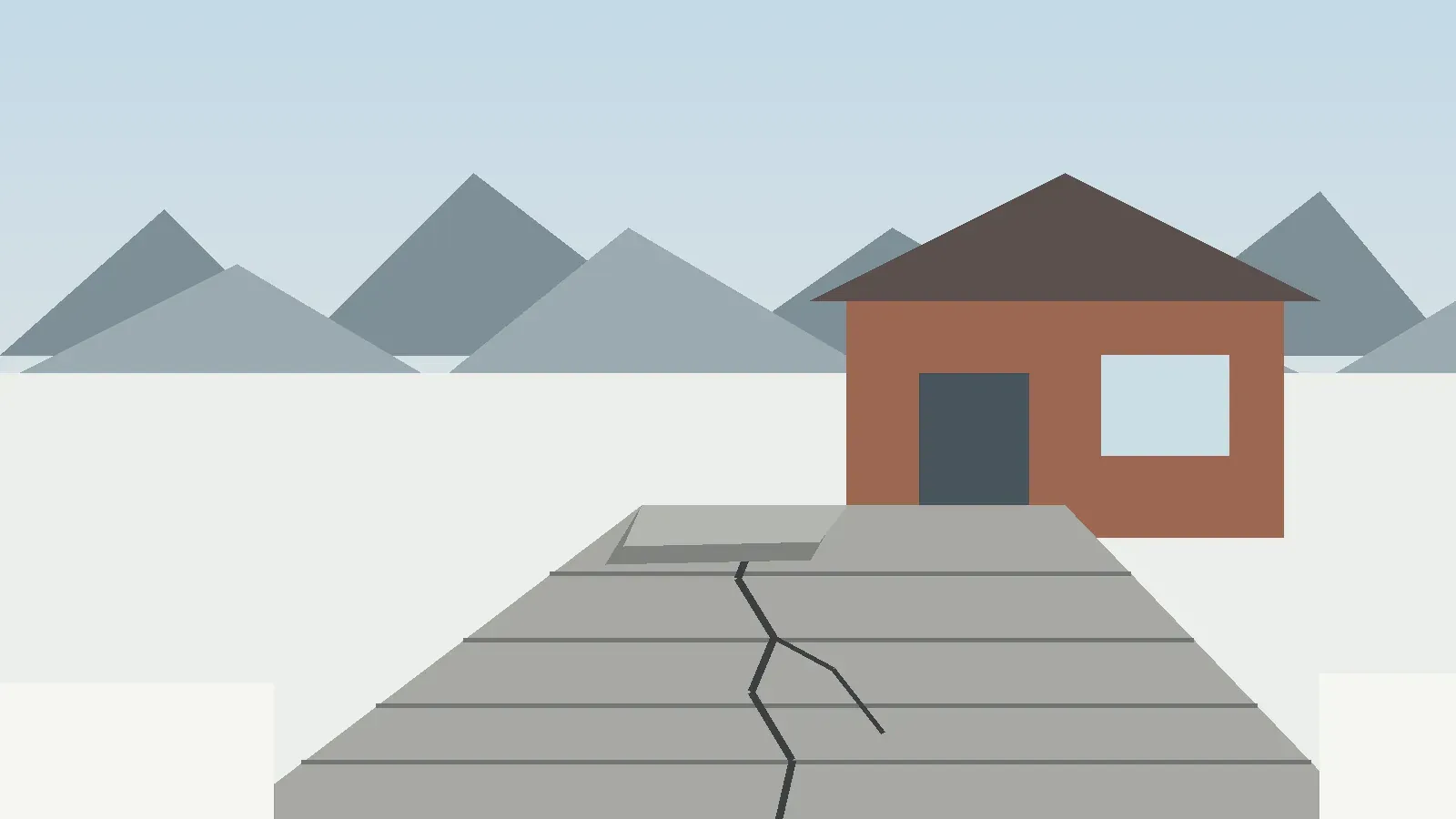
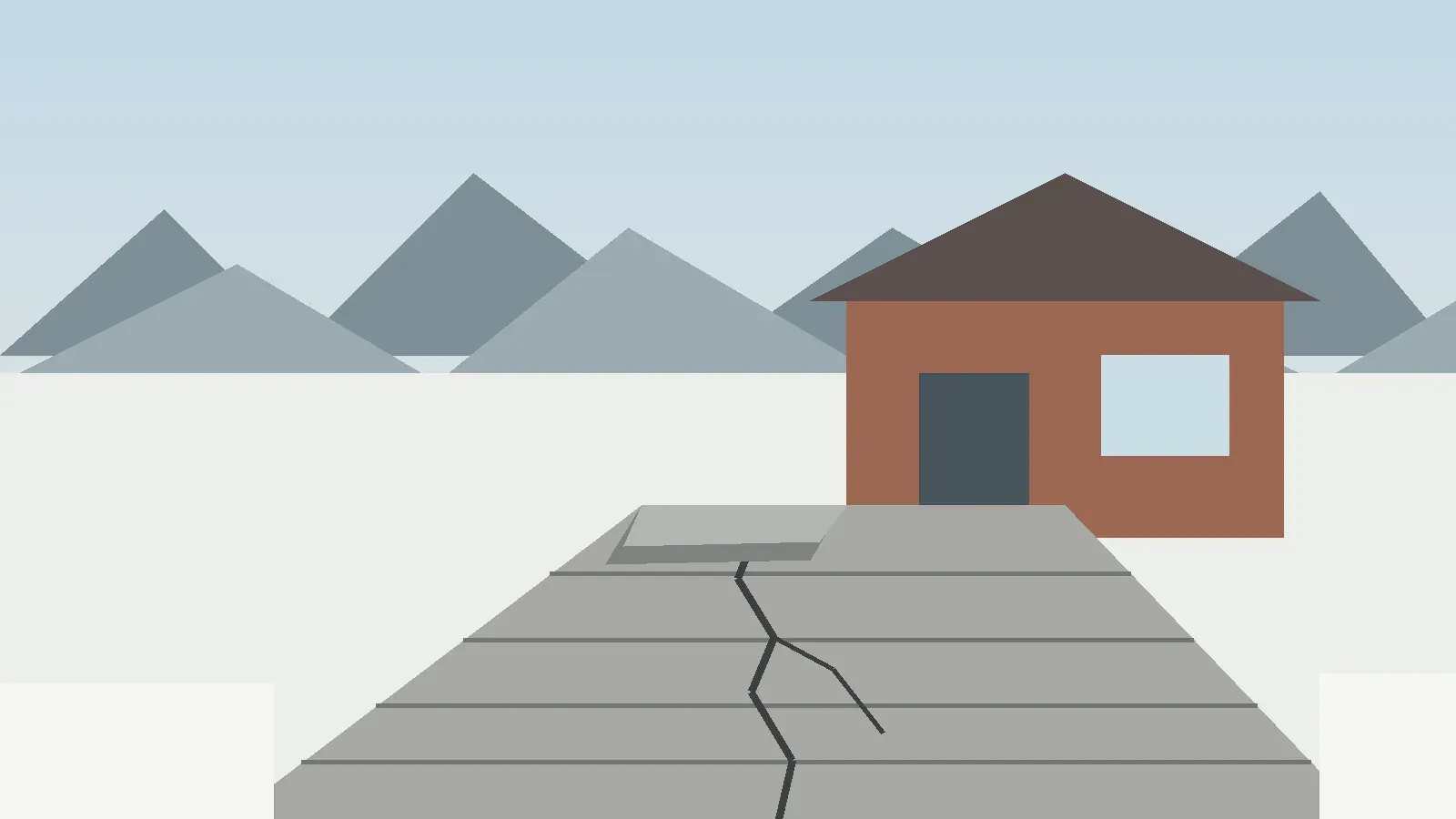
Frost heave happens when water in the soil beneath a concrete slab freezes, expands, and pushes upward. When the ice thaws, the soil can settle back unevenly or leave voids under the slab. Repeated cycles can lift one section of concrete, drop another, widen cracks, and change how water moves across the surface.
For Denver homes, the risk increases when three conditions happen together:
- Moisture reaches the subgrade. Snowmelt, roof runoff, poor grading, irrigation overspray, or puddling sends water under the slab.
- Temperatures fall below freezing. The water expands as it becomes ice, creating upward pressure.
- The slab lacks a stable base. Poorly compacted soil, thin gravel, or trapped moisture gives the slab less support when the ground moves.
The concrete itself is not always the first thing that fails. Many frost heave issues begin below the slab, where homeowners cannot see the base, soil, and moisture conditions that control long-term performance.
Why Denver Concrete Is So Exposed to Freeze-Thaw Stress
Denver’s climate is hard on exterior flatwork because winter weather rarely stays consistent. A storm can drop snow across a driveway, sunshine can melt it the next afternoon, and temperatures can fall again overnight. That cycle sends water into cracks, joints, slab edges, and the soil below before it freezes again.
Concrete is strong, but it is also porous. Small amounts of water can enter the surface and edges. When water freezes, it expands. Industry references commonly describe ice expansion at about 9 percent by volume, which is enough to create pressure inside concrete pores and below the slab. Over one winter, that pressure can repeat many times.
Denver-area soils add another layer of movement. Many Front Range properties include clay or expansive soil conditions. Clay can swell when it absorbs moisture and shrink when it dries. That movement does not always happen evenly across a driveway, patio, or sidewalk. One corner may stay wet because of shade or poor drainage while another dries out quickly in direct sun.
That is why a slab can crack even when the concrete mix looked fine on pour day. Long-term performance depends on the whole system: soil preparation, base material, drainage, reinforcement decisions, joint layout, finishing, curing, and maintenance.
Where Frost Heave Shows Up Around Denver Homes
Frost heave is not limited to one type of slab. It can affect any exterior concrete surface where moisture gets below the concrete and freezes. Homeowners most often notice it in these areas.
Driveways
Driveways handle vehicle weight, snow removal, meltwater, and de-icing exposure. A driveway panel that lifts near the garage apron or street approach can create a bump, trap water, or send runoff toward the home. If you are comparing materials or planning replacement, Faros has a separate guide on concrete driveway vs asphalt for Denver homes.
Patios
Patios often sit near the house, under rooflines, beside landscaping, or close to downspouts. If the slab slopes toward the foundation or water collects at the edges, frost heave risk increases. A patio also needs to work with outdoor living plans, drainage, steps, and nearby hardscape. For planning details, review the Faros guide to concrete patio installation in Denver.
Walkways and Sidewalks
Walkways are especially sensitive because even a small height difference can become a trip hazard. Snow can hide uneven edges, and shaded paths may hold ice longer than the driveway. If a walkway connects a porch, gate, garage, or patio, proper slope and joint placement matter from the start.
Garage Aprons and Exterior Slabs
The transition between a driveway and garage is a common stress point. Water can collect at the threshold, freeze, and push on the slab edge. Exterior slabs for sheds, trash areas, hot tubs, or equipment pads face similar risks if the base is thin or poorly drained.
Early Warning Signs Homeowners Should Watch For
Frost heave damage is easier to manage when it is caught early. Walk your property after snowmelt, spring thaw, and heavy rain. Look for changes that show water or soil movement is affecting the slab.
- One slab panel sits higher than the adjacent panel.
- Cracks widen after winter or appear in a stair-step pattern.
- Water pools in a new location or drains toward the house.
- Edges look unsupported, hollow, or washed out.
- A walkway rocks, shifts, or feels uneven underfoot.
- Concrete near downspouts, irrigation zones, or shaded areas deteriorates faster than surrounding sections.
- Surface flaking appears after winter, especially where salts or harsh de-icers were used.
Surface damage and slab movement can overlap. If the top of the concrete is flaking, winter maintenance may be part of the issue. Faros covers safe winter care in its guide on how to de-ice new concrete without damage. If the slab is lifting or sinking, the problem likely includes base or drainage conditions below the surface.
The Base Matters More Than Most Homeowners Realize
A strong slab starts under the concrete. The subgrade must be shaped, compacted, and prepared so it can support the slab through moisture changes and seasonal movement. If the base is soft, uneven, or full of organic material, the concrete is starting with a weakness that winter will expose.
For Denver exterior concrete, base preparation should focus on three goals.
| Planning detail | Why it matters in Denver | What homeowners should ask |
|---|---|---|
| Compacted subgrade | Limits uneven settling when clay soil gains or loses moisture. | How will soft spots be removed and compacted? |
| Gravel base | Gives water a path to drain instead of freezing directly below the slab. | What base depth and material fit this site? |
| Surface slope | Moves snowmelt away before it reaches cracks, joints, and slab edges. | Where will water go after a storm? |
| Control joints | Helps cracking happen in planned locations as concrete shrinks and moves. | How will joints be laid out around corners and transitions? |
Stable Support
Loose soil can settle after the slab is poured. That settlement creates unsupported areas where the slab may crack under weight or movement. Proper compaction helps the ground carry loads evenly.
Drainage Below the Slab
A well-prepared gravel base gives moisture a path to move instead of staying trapped directly below the concrete. The right base also helps reduce capillary moisture movement from the soil into the slab system. Faros explains similar base principles in its paver base guide, and many of those drainage and compaction ideas also matter for concrete planning.
Uniform Thickness
Thin spots, low areas, and inconsistent base depth can create weak points. A slab should be planned as a system, not just a layer of concrete placed over whatever conditions are already in the yard.
Drainage Is the Best Defense Against Frost Heave
Frost heave needs water. Reduce the water reaching the slab base, and you reduce one of the main forces behind winter movement. Drainage planning should happen before concrete is poured, not after the first winter reveals a problem.
- Identify where roof runoff, snowmelt, irrigation, and neighbor drainage enter the area.
- Shape the grade so water moves away from the slab and foundation.
- Choose base materials that support the slab while allowing moisture to move.
- Place joints and edges so minor movement is controlled instead of random.
- Review maintenance steps before the first winter, including snow removal and de-icing choices.
Start with the big picture. Water should move away from the house, away from slab edges, and toward safe discharge areas. That may involve grading, downspout extensions, swales, drains, hardscape layout, or changes to planting beds that hold water against concrete.
Concrete surfaces also need proper slope. A driveway, patio, or walkway that looks level may still need a subtle pitch so water leaves the surface. If water sits on the slab, it has more time to enter joints, cracks, and edges. If water sits beside the slab, it can saturate the base and freeze below the concrete.
Denver yards can be tricky because drainage issues are not always obvious in dry weather. Snowmelt may follow a different path than summer rain. Roof valleys and downspouts may concentrate water in one place. Clay soil may hold moisture long after the surface looks dry. For broader property planning, see Faros’ guide to water drainage solutions for Denver yards.
Joints Help Concrete Crack in Controlled Places
Concrete moves. It expands, contracts, shrinks as it cures, and responds to temperature changes. Control joints do not eliminate movement, but they help manage where cracking is most likely to occur. Without a smart joint layout, the slab may choose its own weak point.
For Denver concrete exposed to freeze-thaw cycles, joint planning should account for slab thickness, shape, corners, load areas, and transitions to steps, curbs, walls, and existing flatwork. Long narrow sections, inside corners, and irregular patio shapes often need special attention.
Isolation joints also matter where the slab meets the house, garage, columns, stairs, or other structures. Those joints allow separate elements to move without pushing directly against each other. A driveway slab and a garage foundation should not be forced to behave like one continuous piece.
What a Contractor Should Discuss Before Pouring Concrete in Denver
A good contractor does more than show up with a crew and a truck. For Denver concrete, planning conversations should cover site conditions, water movement, base preparation, slab use, finish expectations, and winter exposure.
Before approving a project, homeowners should ask:
Not sure whether an existing slab can be repaired or should be replaced? Contact Faros Construction Services for a practical site review and next-step recommendation.
- How will the site be graded so water drains away from the slab and foundation?
- What base material will be used, and how will it be compacted?
- How will joints be spaced and placed around corners, edges, and transitions?
- What concrete mix is appropriate for exterior flatwork in Colorado freeze-thaw conditions?
- How will curing be handled before the slab sees traffic, furniture, vehicles, or winter weather?
- What maintenance should the homeowner follow during the first winter?
These questions are not about overcomplicating a project. They are about matching the slab to the environment. Faros Construction Services works across Denver, Aurora, Lakewood, Littleton, Arvada, Westminster, Highlands Ranch, Englewood, Golden, Thornton, Parker. Castle Rock, and Centennial, so local climate and site planning are part of the conversation from the beginning.
Repair, Replacement, or Redesign: Which Direction Makes Sense?
Not every frost heave issue requires a full replacement, but not every slab is worth saving. The right path depends on how much movement has occurred, whether drainage has been corrected, how deep cracks run, and whether the slab is still safe and functional.
Repair may make sense when the slab is mostly stable, damage is limited, and water problems can be corrected. Replacement may be the better choice when panels are badly heaved, drainage is wrong. The base has failed, or the slab no longer fits the way the homeowner uses the space.
Sometimes the smartest answer is redesign. A patio may need a different shape, a walkway may need a better route, or a driveway may need drainage improvements before new concrete is placed. If the project connects to a larger outdoor plan, review Faros’ outdoor living spaces and hardscaping services. That way, the concrete works with the rest of the yard instead of solving one problem in isolation.
How Homeowners Can Reduce Frost Heave Risk After Installation
Good installation is the foundation, but homeowner maintenance still matters. After a slab is installed or repaired, keep water moving and avoid practices that weaken the surface.
- Keep downspouts extended away from slab edges.
- Clear snow in a way that does not pile meltwater against the concrete.
- Avoid harsh de-icing products, especially on newer concrete.
- Seal cracks early so water has fewer entry points.
- Watch irrigation heads so they do not spray the same slab edge every day.
- Keep soil and mulch from building up higher than the slab edge.
- Check drainage after spring thaw and after major storms.
Maintenance cannot rescue a poorly built slab, but it can help a well-built slab last longer. In Denver, the goal is simple: keep water out of the wrong places before the next freeze arrives.
FAQ: Frost Heave Concrete Slab Denver Questions
Can frost heave damage a concrete slab even if the concrete was poured correctly?
Yes. Good concrete can still move if water reaches the soil below it, freezes, and expands. That is why Denver slab planning has to include base preparation, drainage, slope, and joint layout. The concrete mix is only one part of the system.
What is the first sign that frost heave is affecting my driveway or patio?
The earliest signs are often uneven panels, widened cracks after winter, new puddling, or a slab edge that looks unsupported. If those changes appear near downspouts, shaded areas, or poor drainage, moisture below the slab may be part of the problem.
Can drainage improvements reduce future frost heave risk?
Drainage is one of the most important controls. Moving roof runoff, snowmelt, irrigation, and surface water away from slab edges helps limit the moisture that can freeze below the concrete during Denver winter temperature swings.
Should a heaved concrete slab be repaired or replaced?
It depends on the amount of movement, the condition of the base, drainage problems, safety concerns, and how the slab is used. A site assessment can determine whether repair is practical or whether replacement with better preparation is the smarter long-term plan.
Bottom Line: Build for Denver, Not for a Generic Climate
Frost heave concrete slab Denver problems are rarely random. They usually trace back to moisture, soil movement, base preparation, drainage, or joint planning. The good news is that many of those risks can be reduced before the concrete is poured.
For homeowners, the best approach is to treat concrete as a site-specific project. A driveway, patio, walkway, or slab needs to be planned around the property, the soil, the slope, the way snow melts, and the way water leaves the yard. That is especially important in the Denver metro area, where freeze-thaw cycles can reveal mistakes quickly.
If you are seeing heaved concrete or planning new exterior flatwork, schedule a site assessment with Faros Construction Services. The right preparation now can help your next slab handle Colorado winters with fewer surprises.