
A deck or fence rarely needs a finish chosen in isolation. Sun exposure, weathering, loose coating, moisture, access, and the condition of the underlying material all affect whether painting, staining, repair, or another approach makes sense. In the Denver Metro Area, careful planning matters because outdoor surfaces face changing seasonal exposure.
Contact Faros to discuss your project goals and arrange a site assessment.
Professional residential deck and fence painting services should begin with an inspection and clear scope. Then address preparation, needed repairs, finish selection, weather timing, protection of nearby surfaces, and maintenance guidance. The right process is based on the actual substrate and the result you want to maintain.
A useful provider conversation should make each of those decisions visible before work begins. It should also explain who is responsible for communication and quality control, so expectations remain clear from the first consultation through the final walkthrough. Here is what a complete service should include.
What Should Residential Deck and Fence Painting Services Include?
Complete residential deck and fence painting services should cover more than applying a new finish. For a Denver Metro Area home, the process should connect your goals with a careful site assessment. Thorough preparation, coordinated work, and clear guidance after the project is complete.
Consultation and a clear project scope
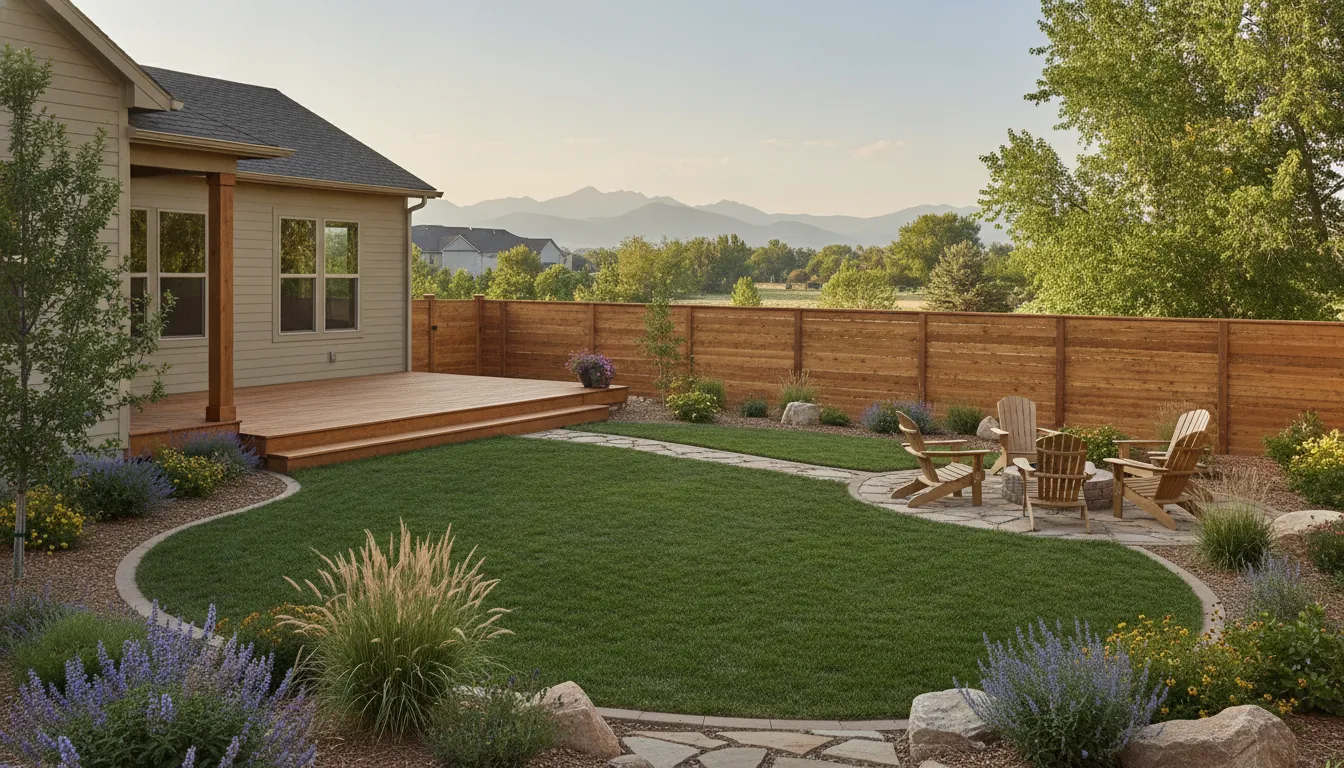
The first step is a conversation about how you use the outdoor space and what you want to improve. You may be looking to refresh weathered boards, create a more consistent appearance, or coordinate a fence with a broader outdoor improvement. A professional consultation should clarify the areas included, the existing materials, the desired appearance, and any access or scheduling considerations.
A site assessment then gives the provider an opportunity to inspect the actual conditions. This can include measurements, a review of the structure, access planning, utility-location considerations, and material planning. The inspection matters because painting or staining is not appropriate for every surface. The condition of the deck or fence may point toward preparation, repair, replacement, or another finish instead.
Approvals, preparation, and coordinated execution
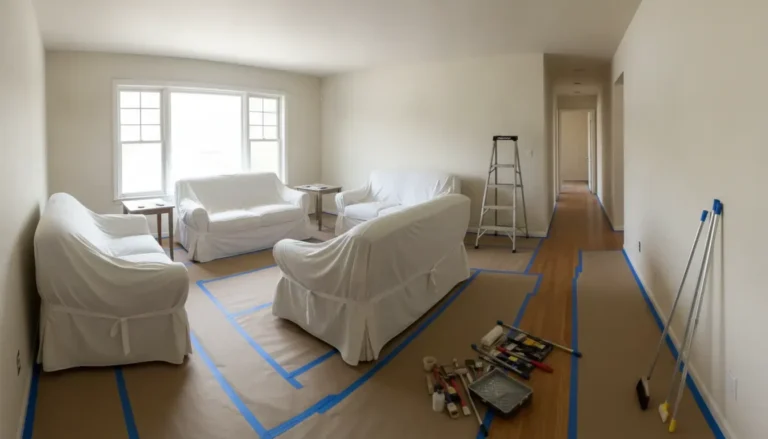
Before work begins, homeowners should receive a defined scope and have the planned approach approved. Preparation may include cleaning, surface correction, sanding, and protection of nearby areas, based on what the inspection finds. A coordinated crew should plan how to work around landscaping, siding, concrete, windows, furniture, gates, and normal household activity.
Finish selection should also reflect the substrate. Residential decks may involve natural wood, such as cedar or redwood, or composite materials. The right approach depends on the material, its condition, and the intended appearance. Weather-resistant materials and careful craftsmanship are especially relevant for outdoor structures exposed to Denver-area conditions.
Communication, closeout, and ongoing guidance
Strong service includes communication throughout the project, not just during the initial visit. Ricardo Alfaro remains directly involved in Faros projects, supporting quality control, client communication, and issue resolution. That owner-led involvement gives homeowners a clear point of accountability as questions or site conditions arise.
At closeout, the provider should complete a final walkthrough, address agreed punch-list items, and explain basic care and maintenance. Post-project support and documentation can also help homeowners understand how to look after the finished surfaces. To see how deck and fence work fits within the broader offering, review Faros construction services.
How Inspection and Preparation Set Up a Better Finish
A careful inspection determines whether a deck or fence is ready for paint or stain, needs repairs first, or calls for a different solution. Preparation also protects nearby property and gives residential deck and fence painting services a sound surface to work with.
Start with the substrate, not the coating
The substrate is the material receiving the finish. On a wood deck or fence, the review should look beyond color and appearance. Boards, posts, rails, stairs, gates, and fastened connections all deserve attention. Soft, cracked, split, warped, or unstable components may signal a repair or replacement need rather than a simple coating project.
Measurements help define the work area and material needs. An assessment can also include a structural review, access review, utility-location review, and planning for the materials involved. These steps make it easier to identify tight areas, gates that need to remain usable. Stairs that require safe access, and sections that may need to be handled separately.
Peeling or failing finish is another important clue. Loose coating should not be covered simply because a new color would hide it temporarily. The surface may need scraping, sanding, or more extensive removal so the new finish can bond to a stable base. Cleaning removes dirt and surface buildup, while sanding can smooth rough areas and reduce abrupt edges between prepared and unprepared sections.
Separate cosmetic work from structural repairs
Paint can improve appearance and help create a finished surface, but it cannot correct movement, failing boards, unsafe railings, or underlying deterioration. Repairs should be identified before coating begins. This sequence helps prevent a newly finished area from being disturbed by later carpentry and keeps the scope clear for the homeowner.
Moisture and drying conditions matter as well. A surface that is damp from recent weather, trapped water, or poor drainage may not be ready for preparation or coating. The inspection should consider where water collects, how the deck or fence sheds moisture, and whether surrounding landscaping keeps sections from drying properly. In the Denver Metro Area, changing weather makes this practical check especially important.
Plan access and protect nearby surfaces
Preparation includes the areas around the project, not just the boards or panels being finished. Plants, siding, concrete, windows, outdoor furniture, lighting, hardware, and adjacent structures may need to be moved, covered, masked, or otherwise protected. A clear access plan also helps the crew work methodically while preserving safe paths through the property.
Homeowners evaluating a provider can choose a residential painter who explains these preparation decisions before work begins. A dependable process should connect the initial site assessment with approvals, preparation, coordinated execution, and a final walkthrough. That communication gives the homeowner a clear understanding of what will be painted, what will be repaired, and what conditions could change the recommended approach.
Choosing Paint, Stain, or Another Finish for Decks and Fences
The right finish depends on the substrate’s condition and the appearance you want. It also depends on how much grain you want to see and the maintenance routine you can manage. A site assessment should confirm whether painting, staining, sealing, repair, or replacement is appropriate before any product is selected.
Start with the material and its condition
Natural wood and composite surfaces do not respond to finishes in the same way. Cedar and redwood may be considered during deck planning, but the species alone does not determine the best approach. Age, weather exposure, previous coatings, surface dryness, splitting, loose boards, and repairs all affect compatibility.
A sound, properly prepared wood surface may support several finish directions. A surface with peeling layers, embedded dirt, moisture concerns, or deteriorated boards needs more attention before a coating decision is made. Applying a new finish over unresolved problems can hide conditions temporarily without creating a dependable result. Inspection should also include railings, stairs, gates, and fence posts, since different components may have different exposure and wear.
| Finish approach | Appearance and grain | When to consider it |
|---|---|---|
| Paint | Creates a more uniform, opaque color and largely covers the natural grain. | When consistent color and a defined painted appearance are priorities on a compatible, prepared surface. |
| Stain | Can add color while allowing some wood character and grain to remain visible, depending on the selected finish. | When the homeowner wants to highlight the character of suitable wood while establishing a refreshed exterior appearance. |
| Clear or sealing approach | Places more emphasis on the existing material and natural appearance than on a strong color change. | When preserving the look of an appropriate substrate is more important than creating an opaque new color. |
Match the finish to the maintenance plan
Every finish choice creates an ongoing care plan. A homeowner should consider how often the deck or fence can be inspected, cleaned, and touched up, along with how quickly weather exposure changes the appearance. Horizontal deck boards, steps, and handrails often receive different wear than vertical fence sections, so one visual goal may still require a carefully planned application strategy.
Composite decking also deserves caution. It may be selected as a low-maintenance material, but that does not mean a standard wood-finishing approach automatically applies. The material’s condition, manufacturer guidance when available, and the intended result should be reviewed before work begins. For broader Denver deck planning, material selection and finish expectations should be considered together.
A thoughtful provider should explain why a finish fits the existing surface, where preparation or repair is needed, and what appearance and maintenance expectations are realistic. That clear decision process helps residential deck and fence painting services deliver a result that fits both the property and the homeowner’s long-term plans.
When Is the Best Weather Window in the Denver Metro Area?
The best weather window is a stretch of stable conditions that allows the deck or fence to be clean, dry, coated, and left undisturbed while the finish sets. In the Denver Metro Area, scheduling should account for the forecast, overnight conditions, sun exposure, wind, and the surface itself rather than relying on a calendar date alone.
Start with a dry, ready substrate
Paint or stain needs a suitable surface beneath it. Recent rain, snow, irrigation, dew, or damp shaded areas can leave wood too wet for dependable application. A site assessment helps determine whether boards, rails, posts, and fence sections are ready or need additional drying and preparation first. The same principle applies to repaired areas, which may require their own preparation before a coating is applied.
Sun can help a surface dry, but direct afternoon exposure can also make one side of a deck or fence behave differently from another. A professional plan considers which elevations receive strong sun, which areas remain shaded, and how that exposure may affect the work sequence. The goal is an even application under manageable conditions, not simply the warmest available day.
Watch the full forecast, not just the afternoon
Rain and snow risk matter before, during, and after the work. A clear morning is not necessarily a practical work window if precipitation is likely later or if overnight moisture will settle on the finish. Wind also deserves attention, especially around fences and elevated decks. Strong gusts can disturb application, carry spray or debris, and make it harder to protect nearby surfaces.
Temperature is another jobsite consideration, including the conditions expected after the crew leaves. Rather than applying an invented universal threshold, the schedule should follow the selected product’s requirements and the actual substrate conditions. Overnight cooling, shade, humidity, and changing weather can all affect how the finish sets.
Contact Faros to discuss a weather-aware deck or fence project plan.
Plan for seasonal exposure and safe use
Denver Metro Area decks and fences experience changing seasonal exposure. So the finish should have time to set before furniture, foot traffic, pets, or routine use return to the area. The appropriate waiting period depends on the finish, conditions, and project details. A clear closeout conversation should explain when the space can be used and how to care for it afterward.
Planning ahead also makes future maintenance easier. For a broader look at local conditions that influence exterior finishes, review Denver exterior paint durability. Seasonal protection and preparation can also help homeowners winterize outdoor living spaces before harsher weather arrives.
What Repairs and Overspray Protection Should Be Planned?
A careful site assessment separates coating work from repairs that require carpentry, structural attention, or replacement. It also identifies nearby surfaces and landscaping that need protection before preparation and application begin.
Paint or stain can improve the appearance of sound wood. But it should not conceal a loose rail, damaged board, unstable post, or gate that no longer operates correctly. A provider should document these conditions, explain how they affect the project scope, and confirm whether repair work belongs before coating. This distinction helps homeowners make informed decisions about their deck or fence instead of treating every visible problem as a finish issue.
Identify repairs before the first coat
During the walkthrough, look for soft, split, or badly deteriorated boards, loose fasteners, shifting posts, unstable rails, and gates that sag or drag. Check stairs and handrails carefully because they affect safe access as well as appearance. Drainage deserves attention too. Water that collects near a fence line, remains against deck components, or flows toward a finished surface can undermine preparation and shorten the useful life of the work.
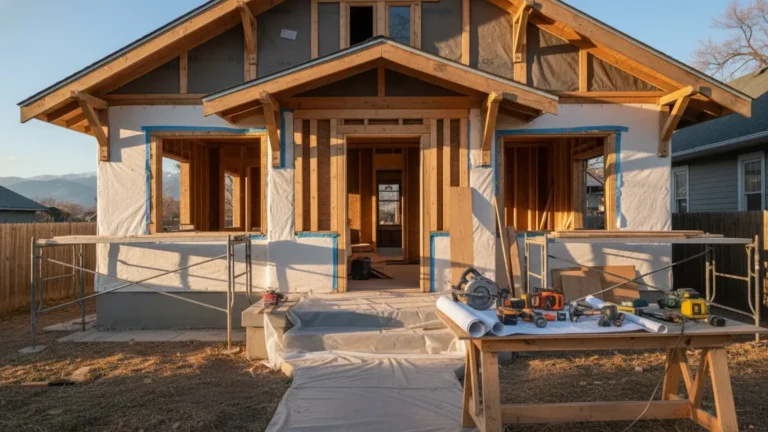
Repair sequencing should be clear in the written scope. Carpentry or structural work may require removal of boards, adjustments to rails, replacement of posts, or correction of a gate. Those tasks can create dust, debris, and fresh surfaces that must be prepared separately before a compatible finish is applied. If a composite deck or another nonwood material is involved. The inspection should confirm whether painting or another treatment is appropriate rather than assuming a wood-finishing process will transfer directly.
Protect the property during application
Overspray protection is part of professional preparation, not an afterthought. Plants and planting beds should be covered or shielded without trapping heat or damaging foliage. Siding, windows, doors, concrete, walkways, furniture, outdoor fixtures, and neighboring surfaces should be masked or protected according to their location and the application method. On tight residential sites, wind direction, access routes, and the distance to adjacent property can influence whether spraying. Brushing, rolling, or a combination of methods is the responsible choice.
Homeowners can review professional spray painting methods to understand why surface preparation and containment planning matter. A qualified crew should explain what will be covered, how access will be managed, and how they will prevent coatings from reaching unintended areas before work starts.
Plan cleanup and the final walkthrough
Cleanup should include removal of masking materials, collection of sanding debris, inspection for drips or stray coating, and restoration of furniture and access areas. Plants, windows, concrete, and siding should be checked before the crew leaves. A final walkthrough gives the homeowner an opportunity to review repaired areas, finish coverage, gate and rail operation, and any remaining punch-list items. Clear closeout notes and care guidance also make future maintenance easier to plan.
How Can Homeowners Maintain a Painted Deck or Fence?
Regular inspection, gentle cleaning, and prompt attention to moisture or wear help a painted deck or fence remain attractive and functional. Maintenance also gives Denver Metro Area homeowners a chance to identify when a small touch-up is appropriate and when the surface needs a closer assessment.
Inspect by season and after major weather
Walk the deck and fence at least a few times each year, especially after periods of heavy snow, strong wind, or repeated moisture. Look for peeling, cracking, chalky residue, exposed wood, loose boards, open joints, and areas where water sits instead of draining away. Pay close attention to stair edges, handrails, gates, and the lower portions of fence sections. These high-contact or splash-prone areas often show wear before broad, less-used surfaces.
Check the surrounding drainage as well. Leaves, soil, and debris can hold moisture against posts, rails, or deck boards. Keep downspouts and nearby drainage paths clear, and avoid piling mulch or snow directly against painted wood. Good water management supports the finish, but it cannot correct structural movement or damaged materials. If boards, posts, or railings feel unstable, pause cosmetic work and request an inspection.
Clean gently and document changes
Use a soft brush or other gentle method suited to the finish, along with clean water and a mild cleaning approach when needed. Aggressive pressure or harsh chemicals can remove sound coating, roughen wood fibers, or drive water into vulnerable joints. Test any cleaning method in a less visible area first. And allow the surface to dry before deciding whether a mark is dirt, mildew, peeling finish, or substrate damage.
Keep a simple record of the project date, finish selected, preparation performed, and areas that received special attention. Save care instructions and note when you clean or inspect the surface. These records make future decisions more consistent, particularly if a fence has several exposures or the deck includes different materials. Faros may plan decks with cedar, redwood, or composite materials, so maintenance should follow the actual substrate rather than a generic routine. For broader planning considerations, review Denver deck planning.
Know when a touch-up is not enough
A small, isolated scuff may call for a targeted touch-up after the area is clean, dry, and compatible with the existing finish. Widespread peeling, recurring dampness, bare wood, or changes in the structure may require renewed preparation, repair, a different finish approach, or replacement of affected material. Do not seal over active moisture or use touch-up coating to hide a safety concern.
Before winter, clear debris, confirm drainage, secure movable furnishings, and address obvious wear while conditions permit. This winterize outdoor living spaces guidance can help organize seasonal preparation for a painted deck or fence in the Denver Metro Area.
Frequently Asked Questions
Is painting right for every deck or fence?
Not always. An initial site assessment should review the existing material, surface condition, structural concerns, and project goals. Depending on those findings, painting, staining, repair, or replacement may be the more appropriate path. Deck materials can include cedar, redwood, or composite, so the finish should match the actual substrate.
How does Denver Metro Area weather affect scheduling?
Exterior work needs a suitable weather window and a dry, properly prepared surface. Sun, wind, moisture, and changing temperatures can affect preparation, application, and curing. A careful provider reviews current conditions and the forecast rather than promising a fixed schedule before assessing the property.
Should repairs happen before coating?
Yes, necessary repairs should be identified before the finish is applied. The assessment may include structural review, measurements, access considerations, and material planning. Separating repair work from cosmetic coating helps the final result address the condition of the deck or fence, not simply cover a problem.
How are nearby surfaces protected from overspray?
A clear work plan should account for nearby siding, windows, concrete, plants, furniture, and other surfaces. Protection may include masking, covering, controlled spray methods, careful access planning, and cleanup. Ask the provider what will be protected, how the application method will be managed, and how the site will be left afterward.
What should a homeowner ask a provider?
Ask how the provider will inspect and prepare the surface, determine the appropriate finish, handle repairs, plan around weather, and communicate changes. Also ask what the final walkthrough and maintenance guidance include. Faros uses client approvals, coordinated execution, a final walkthrough, and maintenance guidance, with Ricardo Alfaro directly involved in communication and quality control.
Schedule Your Denver Metro Area Deck or Fence Project
A thoughtful site assessment helps clarify your goals, review the existing deck or fence, and identify the right next steps for the project.
Contact Faros Construction Company to discuss your project goals and arrange a site assessment.