
In Golden, a construction project can involve far more than one trade. A new home, concrete improvement, deck, retaining wall, or outdoor living area may require careful planning. Site conditions, design, permits, materials, scheduling, and skilled crews all matter.
Choosing a general contractor golden co means looking for a team that can connect those moving parts into one clear plan. The right contractor should evaluate the property, define the written scope, coordinate specialized work, and remain accountable from consultation through the final walkthrough.
Discuss your Golden construction project with Faros Construction Services.
For property owners in the Denver Metro Area, local context matters. Soil, slope, access, and drainage can shape the work. Freeze-thaw conditions and snow loads can matter too. Permits, inspections, and HOA requirements may also affect the plan. Understanding what a contractor coordinates is the first step toward choosing a capable partner.
What Does a General Contractor in Golden, CO Actually Coordinate?
A general contractor coordinates the connected parts of a construction project, not just one isolated trade. For a Golden property owner, that can mean organizing the scope, site work, structures, materials, specialty trades, approvals, scheduling, and quality checks. Each phase should support the next one.
A single-trade provider may fit a narrowly defined assignment. A concrete project might involve a driveway, patio, sidewalk, repair, or foundation element. A broader residential project can connect concrete with grading, drainage, an outdoor structure, landscape integration, or remodeling. Treating concrete as one component of the larger plan helps prevent decisions in one area from creating problems in another. Concrete contracting can be part of general-contractor oversight rather than the entire project scope.
Where coordination matters most
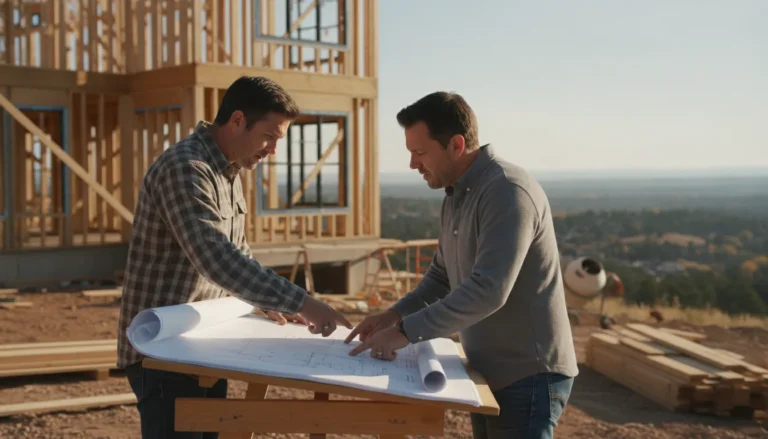
The first step is defining what the contractor is responsible for. A broad label such as general construction does not explain whether the scope includes site preparation, design development, permits, material scheduling, subcontractor coordination, or final closeout. A written scope should identify the work, decision points, and handoffs clearly.
Faros provides connected service categories, including concrete contracting, outdoor structures, hardscape and landscape work, home building and remodeling, and outdoor living services. That range does not mean every project needs every service. It means the conversation can account for how selected work fits together. A patio may need to relate to access and drainage. A deck or pergola may need to align with the home’s design and adjacent hardscape.
Coordination also includes people and accountability. A general contractor may work with project managers and specialized subcontractors while maintaining oversight of the overall plan. For Golden homeowners comparing residential construction services, ask what the contractor will coordinate, who is responsible for each phase, and how trade decisions will be managed.
Ask how the team handles questions that cross trades. A deck stair may meet a concrete landing, or a retaining wall may affect drainage and planting. The contractor should explain who makes the decision, how it is documented, and how the choice affects later work. That answer is often more useful than a broad list of services.
How Should a General Contractor Golden CO Evaluate Your Property?
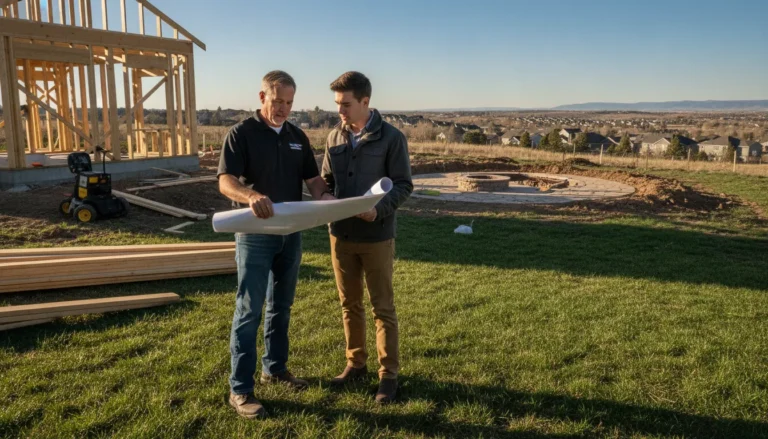
A qualified general contractor should evaluate the property before recommending a construction approach. In Golden, that assessment should connect existing site conditions with the proposed scope, local climate considerations, permitting needs, and the practical path for completing the work.
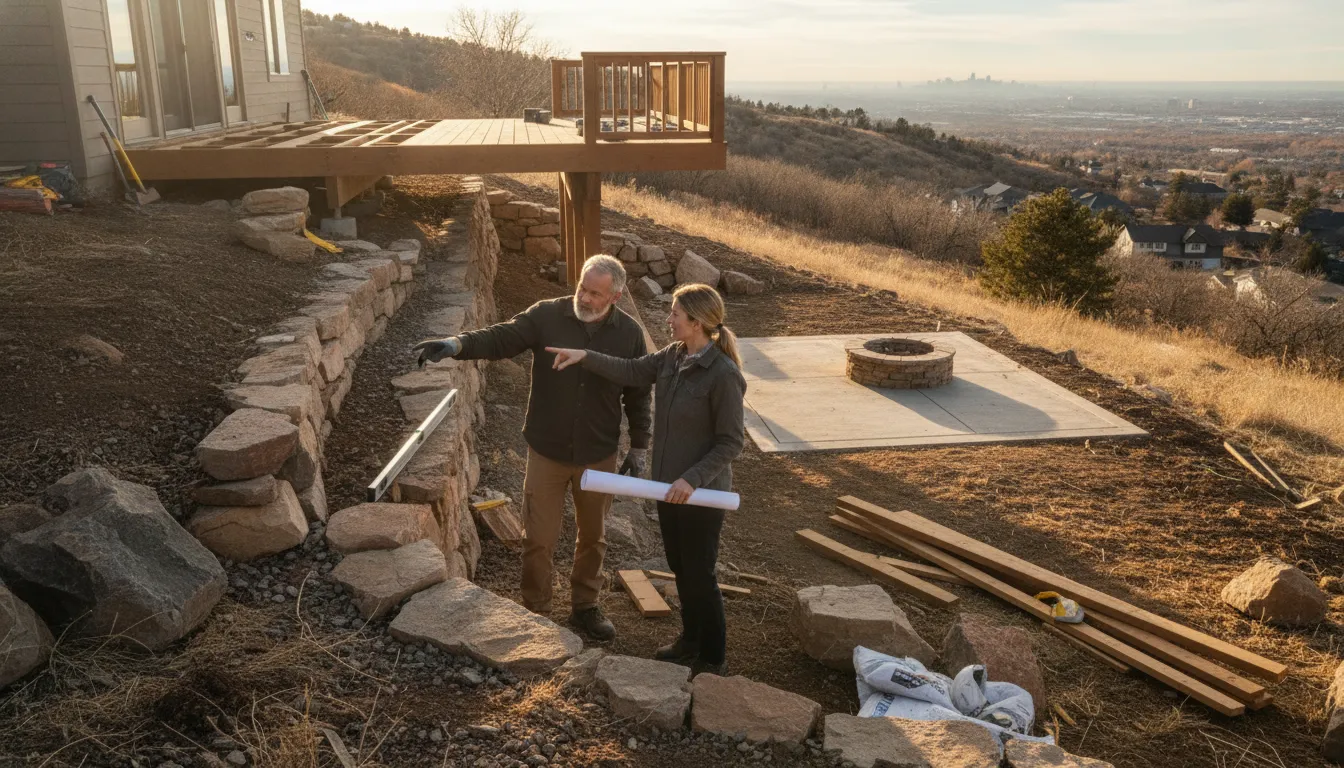
The first conversation should include an on-site review of soil, slope, access, project requirements, and constraints. These conditions influence patios, retaining features, additions, decks, grading, and other improvements. A sloped lot may require a different layout or site-preparation strategy than a relatively level property. Soil conditions deserve attention before work is designed around concrete, walls, footings, or other load-bearing elements.
Drainage is another essential part of the evaluation. The contractor should look at how water moves across the property, where roof runoff and snowmelt may travel, and whether proposed work could affect adjacent areas. In the Denver Metro Area, freeze-thaw conditions, snow loads, drainage, permits, inspections, and building requirements are part of the planning context. These factors should be addressed before construction begins.
Access and utilities need the same practical review. An assessment can include measurements, structural review, utility-location mapping, and material calculations. The contractor should consider how workers, equipment, and materials will reach the work area. Utility locations may affect excavation or layout. For an addition, deck, or outdoor structure, existing connections should be reviewed so new work fits the property safely and logically.
Permits and inspections should be discussed in relation to the actual scope. Requirements vary by project, so a responsible contractor should identify which approvals may apply and explain what must be coordinated. HOA processes may also matter. Thoughtful hardscape and landscape planning keeps the site evaluation connected to the finished use of the property.
Which Construction Services Should Your Golden Project Include?
The right service mix depends on what your property needs and how the finished spaces should work together. A coordinated scope may combine concrete, outdoor structures, hardscape, and outdoor living work instead of treating each improvement as an isolated job.
Start with the physical requirements of the site. Then define the experience you want to create. Faros documents capabilities across concrete contracting, outdoor structures, hardscape and landscape work, home building and remodeling, and outdoor living services.
| Service area | May include | When it may fit |
|---|---|---|
| Coordinated construction. | Home building, remodeling, approvals, and trade coordination. | When several scopes affect the home, site, or sequence. |
| Concrete contracting. | Driveways, patios, sidewalks, decorative concrete, repairs, resurfacing, and foundations. | When circulation, structural support, or outdoor surfaces matter. |
| Custom decks, pergolas, and porches. | Decks, porches, pergolas, gazebos, stairs, and railings. | When the project needs elevation changes, shade, or gathering space. |
| Hardscape and landscape. | Retaining walls, walkways, irrigation, planting, and landscape integration. | When grading, movement, drainage, or planting areas shape the design. |
| Outdoor living. | Patios, outdoor kitchens, fire features, lighting, and shade structures. | When the goal is a connected setting for gathering or relaxing. |
These categories can overlap. A raised deck may require stairs and railings. The surrounding area may need a walkway, retaining wall, or concrete landing. An outdoor kitchen can affect patio layout, utilities, lighting, shade, and circulation. Identifying those relationships makes the written scope more useful than selecting a broad service label alone.
Golden properties can present conditions that influence the sequence. Freeze-thaw conditions, snow loads, drainage, permits, inspections, and HOA processes may deserve attention during project development. The service mix should reflect both the desired result and the work required to support it.
Ask whether each proposed service has a clear purpose. Ask how it connects to adjacent work. Ask who is responsible for coordinating the handoffs. A well-defined scope gives your general contractor, project managers, and specialized trades a shared reference for the work ahead.
What Needs to Be Settled Before Work Begins?
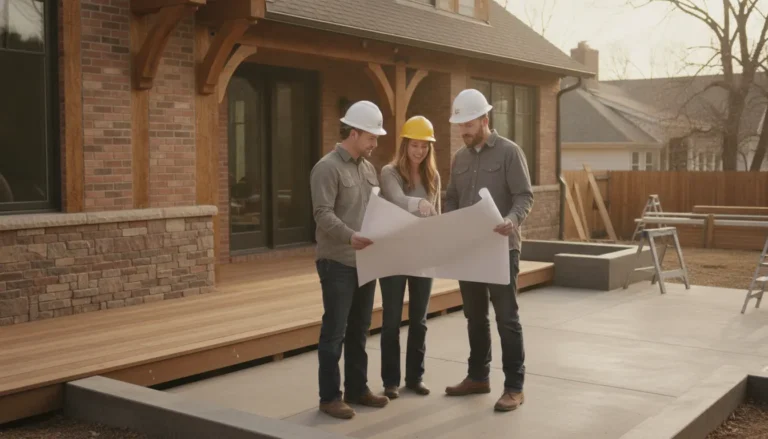
Before construction starts, the scope, design decisions, approvals, materials, schedule, and responsibilities should be clear in writing. A thoughtful pre-construction plan gives the homeowner and contractor a shared reference point.
- Define the complete scope. Identify included areas, excluded work, site preparation, cleanup expectations, and owner-provided items.
- Settle the design details. Review layouts, dimensions, finishes, structural requirements, and connections between new work and the existing home.
- Assign approvals and responsibilities. Confirm who prepares documents, submits applications, responds to questions, and secures applicable permits, inspections, or HOA approvals.
- Coordinate utilities and technical requirements. Before excavation, foundations, concrete, or structural work, confirm measurements, structural review, utility mapping, and material calculations.
- Choose materials and build a schedule. Document major selections, decision deadlines, inspection points, lead times, and homeowner access expectations.
- Plan subcontractor coordination. Clarify which specialized trades will be involved and who directs their work. Learn about the owner-led construction team.
Material decisions deserve their own conversation. Surface finish, maintenance expectations, exposure, drainage, and the way new work meets the existing home can all affect the selection. Confirm who orders materials, who checks deliveries, and what happens if a selected item becomes unavailable.
Once these decisions are documented, the project can move forward with fewer avoidable surprises. The goal is to make known scope, decisions, approvals, and communication clear before the first day on site.
How Will You Know the Contractor Will Communicate Clearly?
A dependable contractor makes communication part of the construction process. Look for a clear point of contact, regular updates, organized site management, documented decisions, and a process for resolving issues before they affect the work.
Ask how often you will receive progress updates and what they will include. Useful communication should cover completed work, upcoming activities, decisions needed from you, site conditions, and changes that could affect the sequence. Quality control should also be visible. Ask who checks workmanship, coordinates specialized trades, and records concerns.
Owner involvement can add accountability. Ricardo Alfaro maintains direct involvement through quality checks, client communication, and issue resolution. That does not mean every task is performed by one person. It means an owner-led structure should provide a clear escalation path when a question requires a decision.
Discuss your Golden construction project with the Faros team.
Communication matters at the end of the work. A proper closeout should include a final walkthrough, punch-list completion, warranty documentation, maintenance guidance, and post-project support. For projects that connect patios, lighting, shade structures, or outdoor kitchens, coordinated outdoor living spaces should be reviewed as a complete result.
Before selecting a contractor, ask how field questions are logged and who approves a change. Ask whether updates include photographs, schedule notes, or decisions you need to make. These details create a record of the project and reduce the chance that an important detail is lost in a conversation.
Questions to Ask Before Choosing a General Contractor Golden CO
The right questions reveal whether a general contractor in Golden, CO can take ownership of the whole project, not just one trade. Look for clear answers about experience, site conditions, permits, communication, subcontractors, quality checks, closeout, and project fit.
- Have you completed projects with a similar scope? Ask about work combining concrete, structures, hardscape, remodeling, or outdoor living.
- How will you assess my property? Ask about soil, slope, access, requirements, constraints, measurements, utilities, and structural review.
- Who owns the scope, permits, approvals, and schedule? Ask who coordinates design, client approvals, permits, HOA approvals when applicable, material scheduling, and subcontractors.
- Who supervises the work? Know who remains accountable for site management and quality control.
- How will you communicate during construction? Ask how updates are delivered, who your primary contact is, and how changes are documented.
- What happens at closeout? Confirm the final walkthrough, punch list, warranty documentation, maintenance guidance, and post-project support.
For a detailed preparation checklist, review these questions to ask a contractor before hiring. Then compare each response against your project’s priorities and property conditions. If the approach appears aligned, you can schedule a consultation to discuss the project directly.
Frequently Asked Questions
What should a Golden property owner discuss during the first contractor meeting?
Bring your goals, property details, preferred use of the space, and known concerns about access, drainage, utilities, or existing structures. The meeting should lead to a site assessment, clear scope, design considerations, and practical next steps.
Can one contractor coordinate both a home project and outdoor improvements?
Yes, a general contractor may coordinate connected scopes such as home construction, concrete, decks, hardscape, landscape, and outdoor-living features. Ask how the work will be sequenced and who will oversee specialized trades.
How can I tell whether my project may need permits or additional approvals?
Ask the contractor to identify likely permit, plan, inspection, and HOA requirements during planning. Requirements vary by project and jurisdiction, so confirm applicable requirements with the responsible local authority.
What documents should I expect before construction begins?
Request a written scope, design or plan information, material selections, responsibilities, schedule expectations, and the communication process. For excavation or new structures, verify that utilities and easements have been addressed.
Plan Your Golden Construction Project With a Clear Next Step
A thoughtful conversation can clarify how your home construction, concrete, hardscape, deck, or outdoor-living goals fit together. Contact Faros through the project contact page to discuss your Golden property and get started with a clear direction for your Denver Metro Area project.