
You can already picture it: relaxing on a new back porch, enjoying a perfect Denver evening with family and friends. That vision is completely achievable, but the path from dream to reality requires a solid plan and the right partner. The success of your project—and how much you enjoy the process—hinges on finding a skilled, trustworthy contractor. A great builder translates your ideas into a functional design, handles the complexities of construction, and delivers a space that perfectly suits your home and lifestyle. We created this guide to walk you through the essential steps for choosing the best back porch builders for your project.
Key Takeaways
- Your Builder is Your Project Manager: A true professional handles more than just construction. They are your partner in design, material selection, and local permitting, ensuring the final product is safe, compliant, and perfectly matches your vision.
- Do Your Homework Before You Hire: The right builder makes all the difference. Protect your investment by verifying their license and insurance, reviewing a portfolio of their past work, and insisting on a detailed, itemized contract.
- Understand What Shapes the Final Cost: Your porch’s price tag is determined by your decisions. The biggest factors are its size and complexity, the materials you choose (like wood versus composite), and any custom features like built-in lighting or screens.
What Does a Porch Builder Actually Do?
When you think of a porch builder, you probably picture someone with a hammer and a saw. While that’s part of the job, their role is much bigger. A true professional is a designer, a project manager, and a craftsperson all in one. They guide you through every step, from the first sketch to the final walkthrough, ensuring the finished space is not only beautiful and sturdy but also a perfect fit for your home and lifestyle. They handle the logistics, the local codes, and the construction, so you can focus on how you’ll enjoy your new favorite spot.
Custom Design and Planning
It all starts with your vision. A great porch builder listens to your ideas and helps translate them into a workable plan. They’ll discuss how you want to use the space—for quiet morning coffees, lively family dinners, or simply relaxing. They bring expertise on materials, layouts, and styles that complement your home’s architecture. A skilled builder is also well-versed in local Denver metro area regulations, ensuring your project is designed to meet all necessary building codes from the very beginning. This collaborative planning phase is crucial for creating custom decks, pergolas, and porches that you’ll love for years.
Full Construction and Installation
Once the design is finalized, the builder brings it to life. This is where skill and craftsmanship really shine. The process involves preparing the site, building a solid foundation, framing the structure, and installing the decking, roofing, and railings. Throughout the construction, clear communication is key. A reliable builder keeps you informed about the progress and is available to answer any questions. You should feel comfortable with the team working on your home, confident that they are executing every detail correctly. Seeing their past projects and reviews can give you peace of mind that they excel in their craft.
Screened-In Porch Expertise
A screened-in porch offers a unique way to enjoy the Colorado outdoors without the bother of insects. Building one requires a specific skill set. A specialist understands the nuances of creating a space that feels open and airy while providing protection. They know how to properly frame for screens, ensure adequate airflow, and select materials that will withstand the elements. Adding a screened porch is also a smart investment, often returning a significant portion of its cost in added home value. It’s a project where professional expertise makes a tangible difference in both function and aesthetic appeal, enhancing your outdoor living spaces.
Integrated Outdoor Living Features
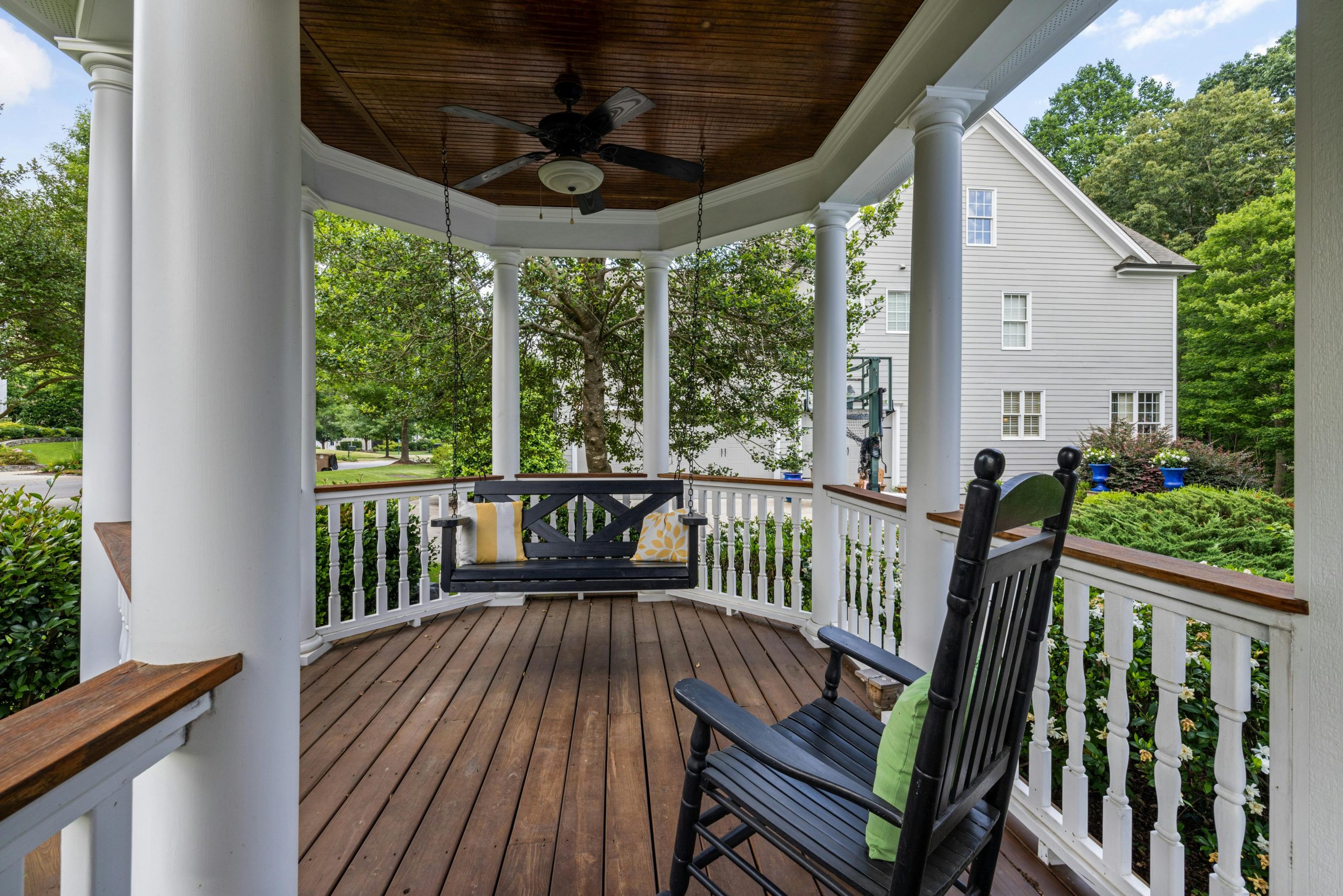
Your new porch shouldn’t feel like an add-on; it should feel like a natural extension of your home. A talented builder knows how to integrate the new structure seamlessly with your existing house. This can involve matching architectural details from your home’s facade, using complementary colors and materials, or even extending rooflines for a cohesive look. They can also incorporate features like built-in lighting, ceiling fans, and electrical outlets to make the space more functional. Thinking about the entire project cohesively is part of the comprehensive services a quality builder provides.
Maintenance and Repair Services
A builder’s commitment to their work often extends beyond the final day of construction. To ensure your porch remains safe and beautiful for decades, ongoing maintenance is important. Many professional builders also offer repair services, whether it’s for a porch they built or one that needs some expert attention. From replacing a warped board to addressing structural issues, they have the knowledge to keep your outdoor space in top condition. This long-term support is a hallmark of a company that stands behind its craftsmanship. If you have questions about upkeep, don’t hesitate to contact a professional for advice.
How to Choose the Right Porch Builder
Finding the right builder is the most important step in bringing your dream porch to life. The right partner will not only deliver a beautiful, sturdy structure but also make the entire process smooth and enjoyable. A great porch starts with a great team, so it’s worth taking the time to vet your options carefully. Think of it as building a partnership as much as building a porch. By focusing on a few key areas—experience, credentials, past work, and clear communication—you can confidently choose a contractor who will respect your vision, your home, and your budget.
Look into Their Experience and Reputation
Start by looking for a builder with a solid reputation right here in the Denver metro area. A local contractor will be familiar with regional building codes, soil conditions, and the climate challenges your new porch will face, from heavy snow to intense sun. Check online reviews on various platforms to get a sense of other homeowners’ experiences. Don’t just look at the star rating; read the comments to understand how the company communicates and handles challenges. A long-standing positive presence in the community is a strong indicator of reliability and quality craftsmanship. You can often find a gallery of their work and testimonials on their website, which gives you a great starting point to see if their projects and reviews align with your expectations.
Verify Their License and Insurance
This step is non-negotiable. Before you even consider a quote, confirm that the builder is properly licensed and insured. A valid contractor’s license proves they meet state and local requirements, while insurance protects you from liability in case of accidents or property damage during construction. Ask for a copy of their general liability insurance and workers’ compensation certificates. A professional and trustworthy company will provide these documents without hesitation. This simple check ensures you’re working with a legitimate business that takes its responsibilities seriously, safeguarding your investment and giving you peace of mind. Our team at Faros is fully licensed and insured, and we believe this is a foundational part of our commitment to our clients.
Review Their Past Projects
A picture is worth a thousand words, and a portfolio of past projects is a builder’s visual resume. Take a close look at their gallery of completed porches. Do they have experience with the style you want? Look for quality details in the photos—clean lines, tight joints, and professional finishes. A strong portfolio should showcase a variety of decks, pergolas, and porches, demonstrating their versatility and expertise. If you see a project you particularly love, ask if you can speak to the homeowner for a reference. Seeing their work and hearing directly from a past client can give you the confidence you need to move forward.
Compare Detailed Quotes
When you’re ready to get estimates, don’t just look at the bottom-line number. Request a detailed, itemized quote from each builder you’re considering. This document should clearly break down the costs for materials, labor, permits, and any other expenses. A vague or overly simple quote can be a red flag. This is also your chance to gauge communication. Is the builder responsive to your questions? Do they listen to your ideas and offer helpful suggestions? You want to choose a team that is easy to work with and makes you feel heard. When you’re ready, you can schedule a consultation with us to receive a transparent and comprehensive quote for your project.
What Goes Into the Cost of a Back Porch?
When you start budgeting for a new back porch, it’s helpful to know that there isn’t a single, fixed price. The final cost is a mix of your vision, your property’s needs, and the materials you choose. Think of it less like buying a product off the shelf and more like commissioning a custom piece of furniture for your home. Several key factors come together to determine the total investment for your project. Understanding these components will help you have a more informed conversation with your builder and create a budget that aligns with your goals for creating a beautiful and functional outdoor living space.
Size and Design Complexity
It makes sense that the bigger the porch, the more it will cost. A simple 10×12 foot platform will naturally be more budget-friendly than a sprawling, multi-level structure that wraps around your home. But size is only part of the equation. The complexity of your design plays a huge role. Are you dreaming of a simple rectangular porch or one with custom angles, built-in planters, and intricate railing designs? Features like a gable roof, multiple staircases, or a curved layout require more materials and specialized labor, which will be reflected in the final price. A straightforward design keeps costs down, while a more complex vision will increase the investment.
Your Choice of Materials
The materials you select are one of the most significant cost drivers. From the decking boards to the railing and roofing, each choice impacts your budget. Pressure-treated pine is often the most affordable option, while hardwoods like cedar or composite materials have a higher upfront cost but may offer longer-term durability and less maintenance. According to HomeAdvisor, you can expect to pay anywhere from $40 to $120 per square foot, and a large part of that range comes down to the quality of materials you select for your deck, pergola, or porch. It’s a balance between your aesthetic preferences, your budget, and how much maintenance you’re willing to do down the road.
Local Labor and Permit Costs
The cost of skilled labor is a crucial part of your porch budget. In the Denver metro area, labor rates reflect the local market and the expertise required to build a structure that is both beautiful and safe. Beyond labor, you’ll also need to account for building permits. While it might seem like a hassle, permits are essential. They ensure your new porch meets local building codes for safety and structural integrity, protecting your family and your investment. A professional builder will handle the permitting process for you, making sure everything is done correctly from the start.
Optional Add-ons and Customizations
This is where you can truly personalize your space, but it’s also where costs can climb. Think about any extra features you want to include. Do you envision built-in benches for extra seating? How about integrated lighting for evening get-togethers, a ceiling fan for hot summer days, or electrical outlets for convenience? More elaborate customizations like an outdoor fireplace, a built-in grill station, or a fully screened-in enclosure will also add to the total cost. These add-ons are what transform a simple porch into a true extension of your home, so it’s worth considering what features will give you the most enjoyment.
Exploring Your Material and Design Options
Once you have a builder in mind, you get to move on to the most exciting part: designing your new back porch. This is where your vision truly comes to life. From the flooring under your feet to the roof over your head, every choice you make will define the look, feel, and function of your outdoor space. A great builder will guide you through these decisions, helping you balance your aesthetic goals with your budget and lifestyle needs. They can provide samples, show you examples from past projects, and offer expert advice on what works best for the Denver climate. Let’s walk through some of the key choices you’ll be making.
Wood vs. Composite vs. PVC Decking
The material you choose for your porch floor is one of the biggest decisions you’ll make. Natural wood offers a timeless, classic look but requires regular staining and sealing to protect it from the elements. Composite and PVC are popular low-maintenance alternatives. These materials are designed to resist fading, staining, and moisture without the need for yearly upkeep. While they often have a higher upfront cost, their durability can save you time and money in the long run. Your choice will come down to the aesthetic you prefer and how much maintenance you’re willing to handle for your decks, pergolas, and porches.
Screened vs. Open-Air Designs
How do you picture yourself using your porch? If you love the idea of enjoying a summer evening without worrying about mosquitos, a screened-in porch is a fantastic option. It provides protection from insects and light rain, effectively creating an additional room for your home. On the other hand, an open-air design offers an unobstructed connection to your yard and the sun. This style is perfect for grilling, sunbathing, and creating a seamless flow into your garden or patio. Thinking about your primary use will help you decide which design best fits your lifestyle and enhances your outdoor living spaces.
Roofing and Foundation Styles
The roof and foundation are the architectural bones of your porch. The roofing style—whether it’s a simple shed roof, a classic gable, or something more complex—should complement your home’s existing architecture. It also plays a practical role in providing shade and protection from rain and snow. Similarly, the foundation grounds the structure and connects it to your landscape. Whether it’s a raised foundation with lattice or a solid base integrated with a stone patio, the right choice will make your porch feel like a natural extension of your home and surrounding hardscape and landscape.
Lighting and Electrical Outlets
Don’t overlook the finishing touches that make a porch truly functional. Integrating lighting and electrical outlets from the start is key. Thoughtfully placed lighting, like recessed fixtures or sconces, allows you to enjoy your porch long after the sun goes down. Electrical outlets add a layer of convenience, whether you want to plug in a speaker, charge your laptop while you work outside, or hang string lights for a party. Planning for these features during the design phase is much easier and more cost-effective than trying to add them later. You can see great examples of these integrated features in our past projects.
The Benefits of Hiring a Professional
While a DIY project can seem tempting, building a back porch involves more than just hammers and nails. It requires a deep understanding of structural engineering, local regulations, and project management. Hiring a professional builder for your decks, pergolas, and porches isn’t just paying for labor; it’s an investment in quality, safety, and your own peace of mind. A professional team handles every detail, from the initial design to the final inspection, ensuring your new outdoor space is built to last.
Guaranteed Quality and Code Compliance
A professionally built porch is a safe porch. Reputable contractors in the Denver metro area are experts on local building codes and permit requirements, which are in place to ensure structural integrity and safety. This knowledge prevents costly mistakes, potential fines, or the nightmare scenario of having to tear down work that isn’t up to standard. By hiring a pro, you get the assurance that your porch is not only beautiful but also durably and safely constructed, giving you a solid foundation for years of enjoyment.
A Stress-Free, Managed Project
One of the biggest advantages of working with a professional is having a single point of contact who manages the entire project. They handle everything from sourcing high-quality materials and coordinating schedules to overseeing the construction crew. Clear and consistent communication is a hallmark of a great builder, ensuring your vision is brought to life without you having to juggle the logistics. This allows you to enjoy the process and look forward to your finished outdoor living space without the stress of managing a complex construction job yourself.
Long-Term Value and Warranty Protection
A well-built porch can significantly enhance the long-term value of your home. Professional builders use quality materials and expert techniques that result in a more durable and appealing structure. Furthermore, established contractors stand behind their work. They offer warranties on both labor and materials, which protects your investment against defects or issues down the road. This level of protection is something you simply don’t get with a DIY project, providing financial security and confidence in the quality of your new porch.
Key Questions to Ask Before You Hire
Once you’ve narrowed down your list of potential builders, it’s time to start the interview process. Asking the right questions upfront can save you from major headaches down the road. Think of this as a two-way conversation to see if you’re a good fit for each other. A professional builder will welcome your questions and provide clear, confident answers. This initial chat is your best tool for gauging their expertise, communication style, and whether they’re the right partner to bring your back porch vision to life.
Come to the conversation prepared with a list of questions covering their experience, process, and what you can expect after the project is finished. This will help you compare builders on an even playing field and make a decision you feel great about.
About Their Credentials and Timeline
Before you talk about design, you need to confirm you’re dealing with a legitimate and experienced professional. Start with the basics: Are they licensed and insured to work in the Denver metro area? This is non-negotiable for protecting yourself and your home. Ask to see a portfolio of their past work and for a few local references you can call. A builder with a solid reputation will be proud to show you their completed projects. Also, be sure to ask about their current workload and for a realistic project timeline. This will help you understand when they can start and how long the construction process will likely take.
About the Contract and Payment Schedule
A handshake isn’t enough when it comes to a construction project. A trustworthy builder will provide a detailed, written contract that outlines every aspect of the job. Make sure the contract clearly specifies the scope of work, materials to be used, a firm total cost, and a payment schedule. The payment schedule should be tied to project milestones, not arbitrary dates. Never pay for the entire project upfront. Good communication is key, so this is also your chance to understand who your main point of contact will be and how they’ll handle any changes or concerns that come up during the build.
About Warranties and Future Support
Your new porch should be a source of enjoyment for years, not a source of stress. That’s why it’s so important to ask about warranties. A reputable builder will stand behind their work. Ask them to clarify what their workmanship warranty covers and for how long. This is separate from any manufacturer warranties on the materials themselves. Understanding their policy on post-project support will give you peace of mind knowing they’ll be there to help if any issues arise after the final payment is made. A company’s commitment to lasting results is often reflected in the strength of its warranties.
Related Articles
- Decks, Pergolas, and Porches – Faros Construction Services
- Pergola Installation Service: Cost & What to Expect
Frequently Asked Questions
How long does it typically take to build a back porch? The timeline for building a porch can vary quite a bit. A straightforward, simple design might only take a week or two, while a more complex project with a roof, screens, and custom features could take several weeks. Factors like weather, the permitting process in your specific Denver-area municipality, and material availability also play a role. Your builder should give you a clear and realistic timeline before any work begins.
Is a building permit always necessary for a new porch in the Denver area? Almost always, yes. Most porch projects, especially those that are attached to your house or have a roof, require a building permit. This process ensures the structure is designed and built to meet local safety codes, which protects you and your investment. A professional contractor will handle the entire permitting process for you, so you don’t have to worry about the paperwork.
What’s the best material for a porch in Colorado’s climate? There isn’t one single “best” material, as the right choice depends on your budget, style, and how much maintenance you’re willing to do. Natural wood like cedar holds up well to our dry climate but requires regular sealing. Composite and PVC materials are excellent low-maintenance options that are built to withstand intense sun and heavy snow without fading or warping, making them a very popular choice for Colorado homeowners.
Can you build a porch over my existing concrete patio? It’s definitely possible, but it depends on the condition of your current patio. If the concrete slab is in good shape—level, without major cracks, and properly graded for drainage—it can often serve as a solid foundation for a new porch structure. A professional builder will need to inspect the slab first to determine if it’s a suitable base for your project.
How can I ensure the new porch looks like it was always part of my home? This is where working with a skilled designer and builder makes all the difference. They will help you select materials, colors, and architectural details that complement your home’s existing style. This could mean matching the roof pitch, using similar trim, or choosing railing styles that echo other features of your house. The goal is to create a seamless transition so the porch feels like a natural extension of your home, not an afterthought.