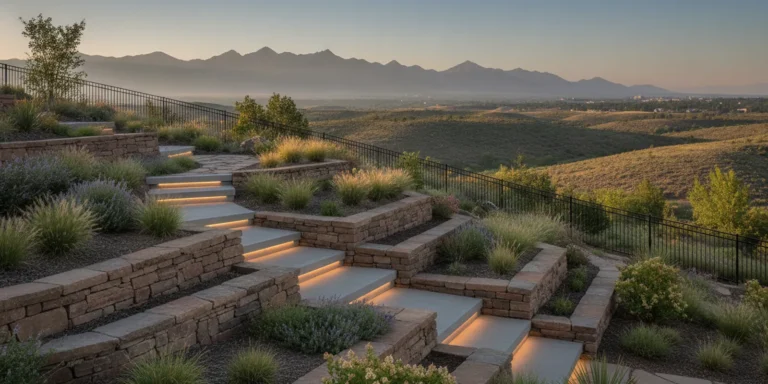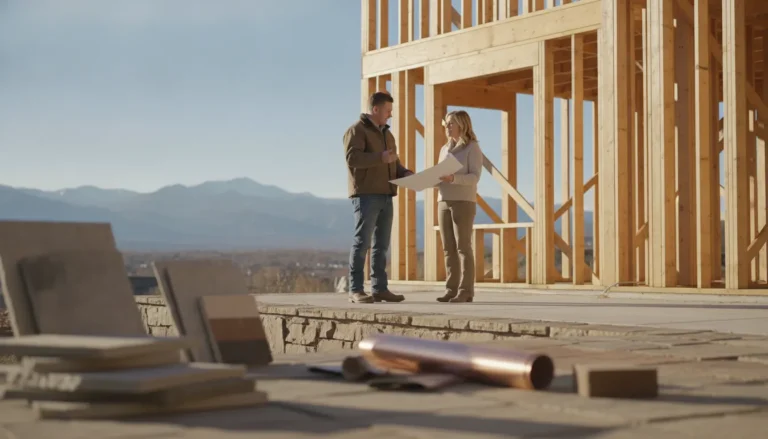

Cracked parking lots and uneven warehouse floors disrupt daily business operations and create serious safety hazards. Local property managers need durable surfaces that can withstand heavy traffic and Colorado’s intense freeze-thaw cycles.
Schedule Your Free Commercial Concrete Consultation , Call (720) 594-5604 to speak with our Denver team today.
What Makes a Commercial Concrete Parking Lot Durable?
Commercial concrete parking lots last 25 to 40 years when built with proper base preparation, joint design, and high-quality materials. Expert commercial concrete contractors Denver businesses rely on use compacted subgrade, precise joint spacing, and reinforced slabs to withstand heavy truck traffic and Colorado’s harsh freeze-thaw cycles.
Long-lasting paving starts from the ground up. Trusted crews focus closely on the soil beneath the pour. Before any mixing begins, crews must prepare and pack the soil. Proper compaction of the base layer is a key step to prevent shifting and settling over time.
Large vans and loaded trucks place intense weight on commercial concrete paving. An academic pavement design guide shows that pavement strength depends on slab thickness and subgrade quality. Thick slabs and solid soil allow the lot to hold massive weights without cracking.
Good drainage is also part of a solid subgrade foundation. When water pools on a parking lot, it can seep underneath and weaken the packed soil. Expert crews grade the area so that rain and melting snow run away from the pavement, keeping the base dry and strong.
Joint design for Colorado winters
Colorado winters bring harsh freeze-thaw cycles that put pavements to the test. Water enters tiny pores, freezes, expands, and then melts. This movement forces the concrete to expand and contract constantly. Without room to move, the rigid slabs will break and crack apart.
Engineers use a specific joint layout to manage expansion and contraction due to temperature changes. Cutting joints at the correct depth and spacing creates neat, planned points where the concrete can flex safely. These gaps stop random cracks from forming across your parking spaces, protecting your property value.
In addition to cutting joints, sealing them is just as vital. High-quality sealants keep water and dirt from filling the open gaps. If debris gets stuck inside, the slabs cannot expand when the weather gets warm, which leads to chipping and breaking at the edges.
Rehabilitating asphalt with concrete overlays
Many commercial lots in Denver have old, worn asphalt that is full of potholes and ruts. Instead of tearing out the old lot, property managers can choose a smarter path. Concrete overlays offer a durable solution for fixing distressed asphalt parking lots.
This process uses the old asphalt as a strong base for a fresh concrete layer. According to an academic concrete overlay guide, this method extends pavement service life greatly when properly designed and built. It saves business owners the trouble of total removal while giving them a clean, lasting surface.
| Feature | Concrete Parking Lot | Asphalt Parking Lot |
|---|---|---|
| Typical lifespan | 25 to 40 years | 15 to 20 years |
| Freeze-thaw resistance | High with proper joint design | Moderate; prone to cracking |
| Heavy load support | Excellent for trucks and equipment | Good, but ruts under heavy loads |
| Maintenance needs | Low; occasional joint sealing | High; sealcoating every 3 years |
| Heat reflection | High-albedo options reduce heat | Absorbs heat, raises temperatures |
How Do Expert Contractors Build Safe and Compliant Curbs and Sidewalks?
Experienced commercial concrete contractors Denver install curbs and sidewalks that protect visitors, direct water, and meet federal ADA standards. Properly built pathways reduce trip hazards while raising the visual appeal and long-term value of commercial properties.
Well-built sidewalks and curbs do more than just guide foot traffic. They improve site access and visitor safety. Neat, clean pathways make a strong first impression on guests. They show that you care about your property and the people who visit.
Good curb and sidewalk design also improves site drainage. When water pools on your walkways, it can cause slips and falls. Expert layout directs water away from your buildings, which protects your foundation. If you need to fix your steps, you can read our professional concrete installation guide to learn about proper layout.
ADA accessibility standards
Business walkways must be safe and easy for everyone to use. Federal rules require pathways to follow clear guidelines for slope and width. According to the National Concrete Pavement Technology Center, concrete sidewalks in business areas must have a consistent slope and surface texture to comply with ADA rules.
Achieving this strength starts before the first pour of concrete. Like parking lot flatwork, a sidewalk needs proper base prep. Research from Iowa State University shows that proper compaction of the base layer is a key step for long-lasting flatwork. A firm base prevents shifting, cracking, and uneven spots over time.
Parking lot delineation and curbing
Curbs are a key part of any parking lot design. They hold pavement edges in place and guide the flow of cars and trucks. Concrete curbing acts as a wall that keeps traffic lanes away from walking areas. This clear border keeps guests safe from moving cars and helps avoid site crashes.
Using the right mix of concrete is also crucial for curbs. These curbs must stand up to cold weather and plow strikes during Colorado winters. Expert builders make sure that the concrete is poured to the right depth and fully cured for high strength. Proper work makes sure that your curbing lasts for years with very little care.
- Concrete curbs separate vehicles from pedestrians and prevent parking lot runoff from eroding landscaping.
- ADA-compliant sidewalks use proper slope gradients (max 1:12) and stable, slip-resistant surfaces.
- Proper drainage grading directs rainwater away from building foundations and walking paths.
- Expansion joints in sidewalks prevent cracking during freeze-thaw cycles common in the Denver Metro Area.
What Warehouse Flooring Solutions Work Best for Denver Businesses?
Heavy-duty concrete floors are crucial for safety and smooth work in local distribution centers and manufacturing plants. Skilled commercial concrete contractors Denver teams build tough slabs designed to handle heavy machinery, forklift traffic, and daily wear while maintaining a clean, level surface.
A solid floor starts with the right depth and strength. Large storage buildings and shipping hubs deal with immense pressure from heavy racks and forklifts. Without a strong base, heavy machinery can cause the ground to shift. To avoid cracks and slab failure, these projects need exact plans for both depth and steel mesh.
Industry studies show that commercial warehouse flooring needs specific concrete thickness and reinforcement. These steel and concrete parts support the heavy loads and gear of modern work. Proper design keeps the slab stable under heavy stress. It also reduces the chance of slab curling and cracking near the joints.
Industrial surface hardening treatments
High-traffic spaces need surfaces that can stand up to constant scraping. Forklift tires, heavy pallets, and moving cargo can easily wear down bare concrete over time. When concrete wears away, it creates fine dust that ruins stock and harms worker health.
To protect the slab, builders apply liquid hardeners or dry-shake toppings during the pour. Industry guides note that warehouse floors often use concrete hardening to increase abrasion resistance in busy places. These sealers densify the surface and stop dusting, keeping your workspace clean and safe. This simple step is a key part of your regular commercial facility maintenance.
Custom concrete mixtures for Denver facilities
Every job site has unique needs. Slabs inside a heated room need a different blend than those exposed to freezing cold. In Colorado, dry air and fast temperature shifts can make concrete cure too quickly. This dry climate needs special care during the pouring and curing stages.
According to the Federal Highway Administration, concrete life depends on a proper mixture design. This mix must fit the local weather and load limits of your site. Local commercial concrete contractors Denver will adjust the water-to-cement ratio and use the right aggregates. This careful blend stops curling and keeps your warehouse floor strong for decades.
Concrete Maintenance and Preservation for Commercial Properties
Regular maintenance extends the life of commercial concrete surfaces by 10 to 15 years and prevents costly emergency repairs. Commercial concrete contractors Denver crews recommend a proactive care plan that stops damage before it starts, keeping pavement safe, clean, and functional year after year.
Denver Metro Area weather brings freezing cold and hot sun, which puts a lot of stress on outdoor slabs. Following a set routine helps you stop small issues from turning into major failures. Here are six steps to preserve your commercial concrete surfaces.
- Schedule regular inspections. Walk the site annually to check for cracks, shifts, or low spots. Finding hazards early prevents small issues from becoming safety risks.
- Seal cracks promptly. When you find a crack, seal it right away. Sealing cracks promptly stops water from entering the slab, which prevents deep damage per a pavement study.
- Maintain joint fillers. Use good fillers to prevent dirt and debris from entering joints. Joints must stay clean so the concrete slabs can expand and contract freely as temperatures change.
- Select the correct treatments. Under Federal Highway Administration rules, choose preservation treatments based on the type of distress you find. Applying the right treatment stops water and dirt from entering the base layer.
- Address surface wear early. Watch for scaling or raveling where the concrete peels or chips. Early care fixes these surface issues and protects the top layer from further loss.
- Use high-albedo materials. Consider light-colored materials that reflect solar heat. These finishes help lower heat storage, which reduces the urban heat island effect in built-up areas.
Taking care of your concrete assets is a key part of your commercial facility maintenance plan. Research shows that timely preservation treatments help you get the longest service life from commercial pavement. When you protect the concrete, you stop water from washing away the soil underneath. By acting early, Denver Metro Area property managers keep their sites safe and avoid major repair work.
How to Choose the Right Commercial Concrete Contractor in Denver
Finding the right team for your business paving needs ensures your new pavement stays strong for years. Business owners should look for commercial concrete contractors Denver teams with deep local expertise. Full licensing and insurance, active owner oversight, and a strong portfolio of similar commercial projects.
Working with skilled teams is key for any large build. You want a group that has spent decades in the field. Faros has more than thirty years of local experience with major business projects. When you hire commercial concrete contractors Denver, you gain peace of mind.
Denver’s climate is tough on concrete. Cold winters and freeze-thaw cycles need special skills. Expert local crews know how to handle local soil and temperature swings so your flatwork does not crack or shift.
A great contractor understands concrete science. Durability depends on a proper mixture design that fits your specific site and load needs, as outlined in Federal Highway Administration guidelines. They will not use a basic, one-size-fits-all mix for your heavy-duty surfaces.
Before signing any contract, you must verify their credentials. Ask to see proof of active liability insurance and worker’s compensation. This paperwork protects your firm from legal risks if an accident happens on your site. Trusted crews will share these files with you right away.
Get a Free Quote for Your Denver Commercial Concrete Project , Call (720) 594-5604 to discuss your parking lot, curb, sidewalk, or warehouse flooring needs.
You should also look for active owner involvement on your job. At Faros, Ricardo Alfaro directly oversees all projects to maintain high standards. This level of care keeps your build on track and prevents wasteful mistakes. Direct oversight ensures that the team uses the best methods from start to finish.
Next, ask to see a portfolio of recent local work. A strong history with parking lots, warehouses, curbs, and sidewalks shows a contractor can handle large tasks. Reputable firms use these concrete improvements to create professional, lasting exterior spaces for Denver businesses (Faros Construction Services). Reading online reviews will also help you confirm their track record with past commercial property projects.
- Local experience: Look for at least 10 years serving the Denver Metro Area with proven commercial concrete work.
- Licensing and insurance: Verify active liability insurance, worker’s compensation, and proper business licensing.
- Owner involvement: Choose a contractor where the owner actively oversees every project for consistent quality.
- Project portfolio: Review past work on parking lots, warehouse floors, curbs, and sidewalks of similar scale.
- Client references: Check online reviews that mention communication, schedule adherence, and quality of work.
Frequently Asked Questions
What services do commercial concrete contractors Denver firms provide?
These firms build and repair concrete parking lots, curbs, walkways, and large warehouse floors. They manage projects from packing the soil base to pouring strong slabs that support heavy truck traffic. They also apply protective sealers and fill joints to keep water out of the pavement. This work helps local businesses in the Denver Metro Area keep their sites safe and easy to use.
How do commercial concrete contractors Denver teams design walkways for safety?
Contractors must follow strict rules to keep walkways safe and easy to use. According to the National Concrete Pavement Technology Center, sidewalks in commercial areas need a consistent slope and texture to meet ADA standards. This prevents slips and helps people with wheelchairs or other mobility aids. Proper drainage design is also key to direct water away from walking zones.
Why is base compaction important for commercial parking lots?
A solid base supports the heavy weight of cars and trucks. Research from Iowa State University shows that packing the base layer is needed for long-lasting concrete flatwork. If the soil underneath is weak or uneven, the concrete slab will bend and crack under heavy loads. Compacting the soil first ensures the pavement stays flat and holds up for many years.
How long does a commercial concrete parking lot typically last?
A well-built concrete parking lot lasts 25 to 40 years with proper maintenance, while asphalt lots typically need replacement after 15 to 20 years. Concrete’s longevity comes from its structural strength and resistance to UV damage. Regular joint sealing and crack repair can extend the life even further, making concrete a cost-effective choice for commercial properties.
What is the difference between concrete and asphalt for commercial parking lots?
Concrete parking lots offer greater load-bearing capacity, longer lifespan (25 to 40 years vs. 15 to 20 years for asphalt), and lower long-term maintenance costs. Concrete reflects heat rather than absorbing it, which reduces the urban heat island effect. Asphalt is initially cheaper but requires sealcoating every 3 years and is more prone to rutting under heavy vehicle loads.
How often should commercial concrete surfaces be inspected and maintained?
Commercial concrete surfaces should be inspected at least once per year, ideally before and after winter. Joint seals should be checked for cracking or displacement. Any cracks wider than 1/8 inch should be sealed promptly to prevent water infiltration. Parking lots with heavy daily truck traffic may require biannual inspections to catch wear early.
Do commercial concrete contractors handle warehouse floor repairs?
Yes, reputable commercial concrete contractors Denver firms handle warehouse floor repairs including crack filling, spall repair, surface grinding for leveling, and application of new hardeners or sealers. They can also apply epoxy or urethane coatings to restore a worn floor’s surface. For severe damage, partial slab replacement or overlay options are available.
Ready to Schedule Your Denver Commercial Concrete Project?
Ignoring cracked sidewalks, broken parking lots, or uneven warehouse floors leads to serious safety hazards and costly business disruptions. Taking action now prevents minor concrete cracks from turning into major structural failures that disrupt daily operations. Setting up your expert walkthrough ensures our owner-led team can plan and complete your next project quickly.
Call (720) 594-5604 to schedule a free consultation for your commercial concrete project with our Denver team. Our owner-led team is ready to deliver the high-quality, durable results your Denver property needs.