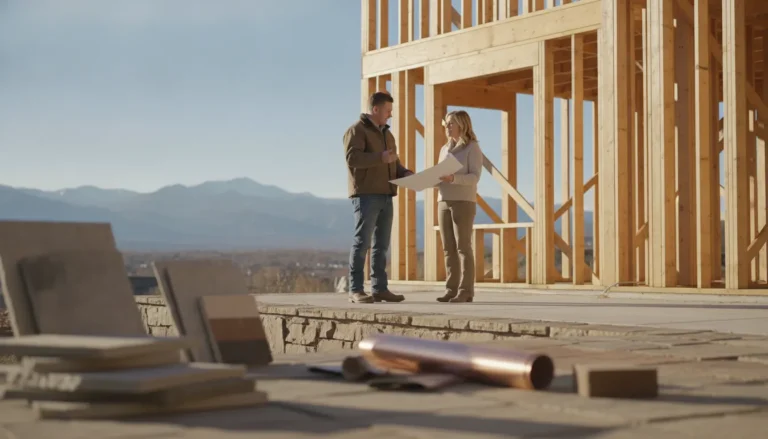

If you manage a warehouse facility in the Denver Metro Area, you know warehouse painting involves more than taping baseboards. High ceilings, mixed substrates, sensitive equipment, active inventory, and strict safety rules all add complexity. Without planning, a paint job can disrupt operations, damage product, and create compliance issues.
Ready to start your warehouse painting project? Contact Faros Construction Services for a free consultation.
This guide provides a complete warehouse painting preparation checklist for facility managers. It covers every phase from the initial walkthrough to the final safety check before painters arrive.
Why Warehouse Painting Requires Special Preparation
Warehouse painting demands more planning than standard commercial work because of the unique mix of height, substrates, and active operations. Unlike an office repaint where rooms can be vacated, a warehouse stays active throughout the project.
Ceilings often exceed 20 to 40 feet, requiring lift equipment and fall protection. Surfaces include corrugated metal panels, structural steel, concrete masonry units, drywall, and concrete floors. Each substrate needs different preparation and coating systems. Your facility stays operational during the project. Inventory moves, trucks load and unload, and employees work nearby. A single overspray incident or a missed lockout-tagout step can stop production and create liability.
Preparation is the most important phase of the project. Industry professionals estimate that poor surface preparation causes roughly 80 percent of coating failures. Good preparation protects your investment in long-term asset protection, light reflectivity, regulatory compliance, and facility value. Our commercial painting maintenance schedule guide explains how preparation affects long-term performance.
How Do You Start Warehouse Painting Preparations?
Schedule a thorough on-site walkthrough with your painting contractor to assess the facility, identify surface types, and establish a protection and scheduling plan. This collaborative step prevents surprises.
Every successful project begins with a walkthrough involving the facility manager, the contractor, and key stakeholders from operations, maintenance, and safety. Block out enough time to walk every zone, identify every surface type, and discuss every constraint.
What to Cover During the Walkthrough
- Surface inventory: Catalog every substrate. Structural steel, concrete block, drywall, metal siding, epoxy floors, and previously coated surfaces each need different preparation.
- Critical equipment locations: Identify motor control centers, electrical panels, conveyors, sensors, fire alarms, and sensitive machinery that must be protected.
- Access constraints: Note ceiling heights, racking widths, forklift traffic patterns, and emergency exits. The floor slab must support boom lifts and scissor lifts.
- Operating schedules: Discuss peak versus slow periods, shift schedules, planned shutdowns, and upcoming inventory cycles that affect zone access.
- Special hazards: Flag areas with chemical exposure, high humidity, temperature extremes, or classified hazardous locations needing special coatings.
A thorough walkthrough prevents surprises. It also helps the contractor provide an accurate scope of work and timeline. Our guide to painting without business disruption offers strategies that apply to warehouses.
Protect Inventory, Equipment, and Critical Systems
Protecting inventory and building systems is the most time-consuming part of warehouse painting preparation and the most critical step for avoiding damage claims.
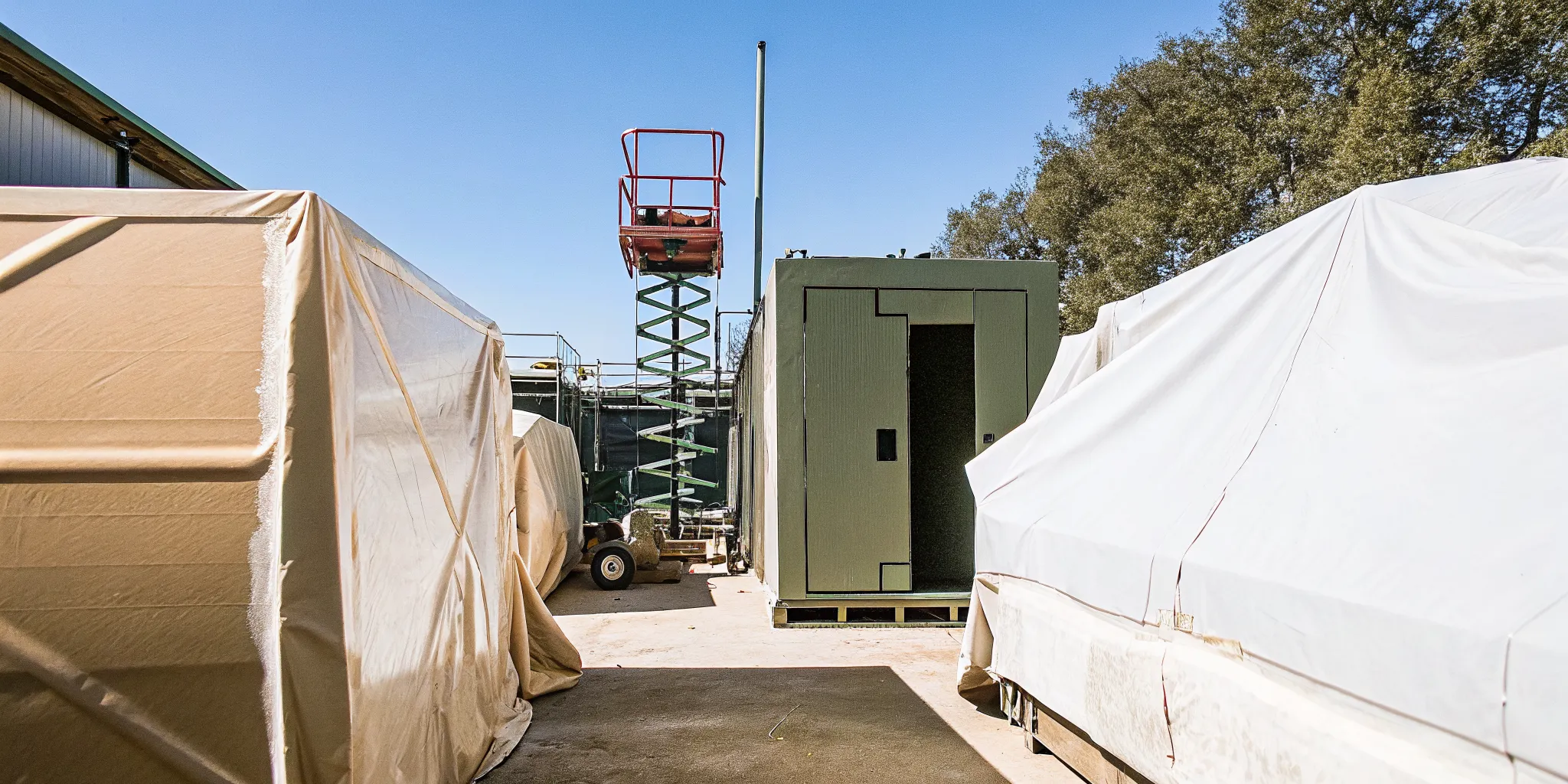
Overspray travels farther than most people expect. In a warehouse with high ceilings and air circulation, atomized paint can settle on inventory and equipment dozens of feet from where the painter is working.
Inventory Protection Checklist
- Relocate pallets and stored goods away from painting zones when possible.
- Cover remaining inventory with heavy-duty poly sheeting taped at the seams.
- Shrink-wrap or bag individual products in high-value areas.
- Move finished goods and raw materials to designated safe zones.
Equipment and System Protection
- Mask electrical panels, disconnects, conduit, and junction boxes with plastic and tape.
- Cover conveyor systems, motors, and control panels with protective sheeting.
- Isolate fire alarm devices, smoke detectors, and sprinkler heads per manufacturer guidelines.
- Protect gas lines, compressed air lines, and exposed mechanical systems.
- Coordinate lockout-tagout for equipment that must be de-energized.
Floor and Racking Protection
- Cover floors near painting zones with rosin paper or drop cloths.
- Wrap rack uprights and beam faces in plastic to block overspray.
- Mark clear walkways through the work zone for employee access.
Thorough masking costs far less than a single contaminated inventory claim. Our commercial painting guide for apartment complexes covers similar protection strategies for multi-unit properties.
What Surface Preparation Do Warehouses Need Before Painting?
Each warehouse surface type needs its own preparation method to ensure coating adhesion and maximum longevity. The right treatment determines how long the coating lasts.
A properly prepared surface can extend coating life to 8 to 12 years. Cutting corners leads to peeling, blistering, or adhesion failure within 2 to 3 years.
Concrete Walls and Floors
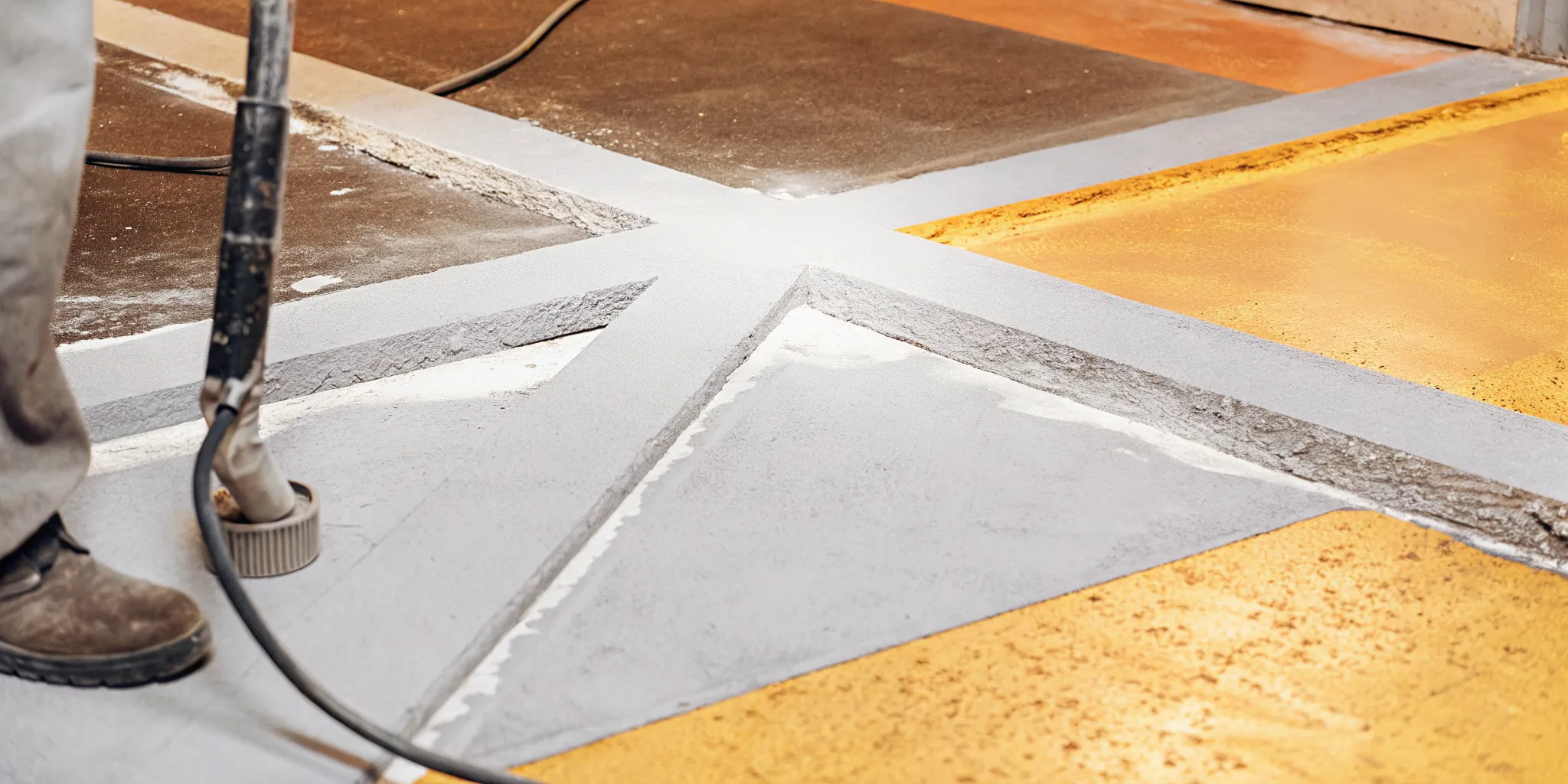
Concrete must be clean, dry, and free of contaminants before coating. Preparation involves pressure washing, degreasing in areas with oil exposure, and mechanical profiling such as diamond grinding or shot blasting to create a bondable surface. Moisture testing is essential. High moisture content causes coating failure regardless of the product used.
Structural Steel
Steel requires removal of rust, mill scale, and failing existing coatings. Methods range from hand tool cleaning for light rust to abrasive blasting for heavily corroded areas. After cleaning, apply a primer suited to the exposure. Use alkyd or acrylic direct-to-metal in dry interiors. Use epoxy primers in humid or wash-down areas.
Metal Wall Panels and Siding
Corrugated metal panels need inspection at fastener locations and lap seams. Preparation includes pressure washing, spot sanding of rusted areas, and corrosion-inhibiting primer on bare metal. Glossy coatings may need scuff sanding for adhesion.
Drywall and Previously Painted Surfaces
Drywall in office areas and break rooms should be inspected, patched where needed, and spot-primed. Glossy surfaces need light sanding. Remove dust and cobwebs before coating.
Surface preparation varies by project type. Compare interior and exterior repainting preparation for other facility types.
Warehouse Surface Preparation Comparison
| Surface Type | Common Issues | Preparation Method | Coating Life (Years) |
|---|---|---|---|
| Concrete (walls/floors) | Moisture, oil, laitance | Pressure wash, degrease, diamond grind or shot blast | 8 to 12 |
| Structural Steel | Rust, mill scale, old coating | Abrasive blast or hand tool clean, apply primer | 8 to 10 |
| Metal Panels/Siding | Corrosion at fasteners, oxidation | Pressure wash, spot sand, apply corrosion primer | 6 to 10 |
| Drywall | Damage, glossy surfaces, dust | Patch, spot prime, scuff sand | 5 to 8 |
Plan for Ventilation, Air Quality, and Worker Safety
Warehouse painting introduces safety hazards including airborne VOCs, fall risks, and fire concerns. These must be managed from the planning stage with proper ventilation, fall protection, and fire safety coordination.
Airless spray application is the standard method for large warehouse surfaces. It generates fine aerosol particles and can release volatile organic compounds into the work environment.
Ventilation Requirements
Your contractor should evaluate the facility ventilation system and determine whether supplemental ventilation is needed. In enclosed areas without natural airflow, temporary exhaust fans and air movers may keep vapor concentrations below exposure limits. Solvent-based or high-VOC coatings may require continuous air monitoring.
Fall Protection
OSHA requires fall protection above 6 feet in general industry settings. Warehouse painting almost always exceeds this threshold. Workers on scissor lifts, boom lifts, or scaffolding must use appropriate fall arrest systems. Verify the contractor safety plan includes written fall protection procedures.
Fire Safety and Sprinkler Coordination
Surface preparation involving grinding or welding requires hot work permits and fire watch procedures. Painting work that isolates fire sprinkler zones needs coordination with the facility fire protection manager. Maintain a fire watch in any area where sprinkler coverage is impaired.
Personal Protective Equipment
Verify the contractor provides approved PPE including respirators for solvent-based coatings, eye protection, gloves, and protective clothing. Respirator users must be fit-tested per OSHA requirements.
Need a contractor who prioritizes safety? Read our complete warehouse painting guide and contact Faros Construction Services to discuss your project. We also provide commercial painting for schools and institutions with the same safety commitment.
How Do You Schedule Warehouse Painting Without Disrupting Operations?
Zone-based phased scheduling is the most effective way to paint an active facility without stopping operations. Divide the warehouse into zones and complete each one before moving to the next.
This approach requires close coordination between operations and the contractor. Establish clear communication with one point of contact on each side. Schedule daily check-ins during active phases.
How Phased Scheduling Works
- Divide the facility into logical zones based on function, traffic patterns, and racking layout.
- Schedule each zone during the lowest-impact period, such as off-shift or weekends.
- Clear each zone of inventory and equipment before work begins.
- Complete all surface preparation, priming, and coating in a single mobilization.
- Allow adequate cure time, remove protection materials, and return the zone to service.
- Advance to the next zone and repeat.
When both teams know the plan and communicate daily, the project stays on track and the facility stays productive. Explore our painting and pressure washing services for more scheduling strategies.
Ready to plan your phased warehouse painting project? Review our warehouse painting services and schedule a zone walkthrough with Faros Construction Services.
The Complete Warehouse Painting Preparation Checklist
Use this warehouse painting preparation checklist to track every task from four weeks out through the day painters arrive. Nothing gets missed when you follow this timeline.
Four Weeks Before Start
- Schedule pre-project walkthrough with contractor and stakeholders.
- Identify all surface types and special coating requirements.
- Confirm floor slab capacity for lift equipment.
- Review safety plan, fall protection, and hot-work protocols.
- Plan zone layout and phased schedule.
- Notify employees and tenants of upcoming work.
Two Weeks Before Start
- Coordinate sprinkler system isolation with fire protection manager.
- Arrange temporary storage or off-site inventory staging.
- Order poly sheeting, drop cloths, and masking materials.
- Schedule electrical lockout-tagout for affected equipment.
- Confirm lift equipment availability and access paths.
One Week Before Start
- Begin relocating inventory from first work zone.
- Test ventilation equipment and supplemental air movers.
- Verify PPE and safety equipment is on-site and inspected.
- Conduct pre-project safety meeting with contractor crew.
- Walk the first zone together and confirm scope and protection plan.
Day of Before Painters Arrive
- Verify all inventory is cleared or fully protected in active zone.
- Confirm electrical panels, sprinkler devices, and sensors are masked.
- Mark clear walkways and emergency egress paths.
- Verify fire watch is in place if sprinkler zone is impaired.
- Confirm daily communication protocol with contractor point of contact.
Frequently Asked Questions About Warehouse Painting Preparation
How long does it take to prepare a warehouse for painting?
Preparation time varies by facility size, surface conditions, and inventory density. For a typical 50,000-square-foot warehouse, expect 3 to 7 days for masking, protection setup, and surface preparation before painting begins.
Can warehouse painting be done while the facility is operating?
Yes, with careful phased scheduling. Divide the warehouse into zones and complete each one at a time so the rest of the facility continues operating normally.
What paint is best for warehouse walls and ceilings?
Light-colored high-reflectivity coatings work best for ceilings and upper walls. They increase ambient light by 20 to 40 percent without adding fixtures. Durable acrylic or epoxy coatings work best for active wall areas.
Who moves inventory before painting?
The facility owner or tenant handles inventory relocation. The painting contractor masks and protects any inventory that cannot be moved. Clarify this division during the pre-project walkthrough.
Do warehouse painting projects need permits?
Most interior painting does not require a building permit. Spark-producing preparation may require hot work permits. Sprinkler impairments need coordination with the local fire authority.
Your Partner for Warehouse Painting in the Denver Metro Area
Warehouse painting is a significant investment in your facility safety and long-term value. The difference between a smooth project and a disruptive one comes down to preparation, walkthroughs, protection planning, surface assessment, phased scheduling, and clear communication.
At Faros Construction Services, we bring over 30 years of combined construction and project management experience to every commercial painting project. Our owner-led team understands active warehouse environments in the Denver Metro Area. We prioritize the preparation work that ensures lasting results. We also offer residential interior house painting services for Denver Metro Area homeowners.
Ready to plan your warehouse painting project? Contact us online or call (720) 594-5604 to schedule a walkthrough and consultation.