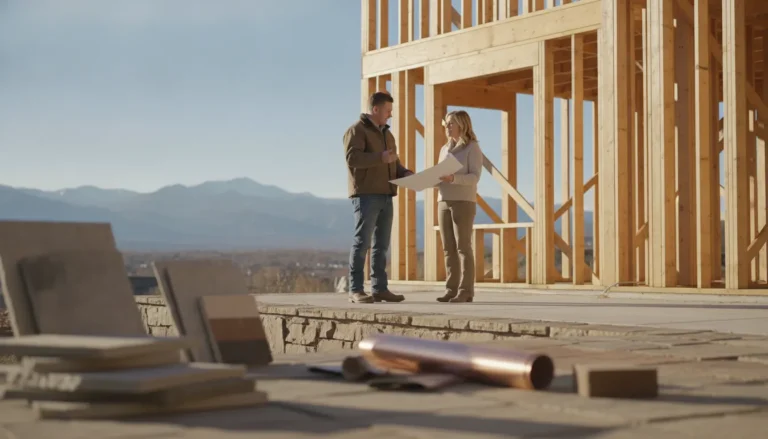

Concrete naturally moves as temperature and moisture conditions change. Without thoughtfully planned joints, a driveway or patio is more likely to develop unwanted cracks. Proper concrete expansion joints for driveways help manage that movement in the Denver Metro Area.
Schedule a concrete consultation with Faros Construction Services
Concrete expansion joints for driveways are planned gaps that give adjoining slabs room to move. They are especially useful where a slab meets a fixed object, such as a garage floor, wall, curb, or step. They differ from control joints, which create a planned place for shrinkage cracks to form. The Federal Highway Administration explains that pavement joints help control cracking and manage internal forces. In the Denver Metro Area, a complete joint plan should account for changing temperatures, moisture, drainage, slab layout, and nearby structures. Flexible joint filler and sealant can help keep debris and water out while still allowing planned movement.
Every local property owner should understand how these small components work to reduce unnecessary repairs and structural failures in the Denver Metro Area. This knowledge helps protect a driveway from Colorado sun, snow, and changing temperatures.
Why concrete expansion joints for driveways matter
Concrete looks like a solid mass. But it is an active material that grows and shrinks. In the Denver Metro Area, changing weather puts stress on outdoor slabs. Without a plan for movement, unwanted cracks or pressure can develop. Using concrete expansion joints for driveways helps adjoining sections move without pressing against each other or fixed structures.
Managing natural movement
Heat can make concrete expand, while cooling and drying can make it shrink. The size and layout of a slab affect how joints should be planned. These gaps act like a safety valve for the slab. They allow adjoining parts to move slightly without pushing against each other.
In Colorado, the freeze-thaw cycle is harsh and frequent. Water gets into small spaces and turns to ice. This adds even more pressure to the slab. When you choose proper concrete curing, you set a strong base. But expansion joints are what keep that base safe for many years. They manage the inside forces that lead to deep, random breaks that are hard to fix.
Expansion joints versus crack control
Many people confuse expansion joints with control joints. Control joints are shallow grooves. They tell the concrete where to crack so the lines stay straight. Concrete expansion joints for driveways go all the way through the slab. They create a full break between two sections or between the slab and a wall. This full break is filled with a flexible material that can compress as the slab moves.
These joints do more than just hide cracks. They provide relief from the moisture and weather changes that happen every season. While control joints guide cracks, expansion joints split movement. This gap is key for large driveways or pads. This makes sure one part does not pull the rest of the drive down if the soil shifts. It keeps each section of the driveway acting as its own unit.
Protecting your home and yard
A driveway often sits next to a home foundation, garage floor, or public curb. If the concrete expands, it can press against these fixed parts. Expansion joints act as a flexible buffer between the slab and nearby structures. They give the concrete room for planned movement and reduce direct pressure at the connection.
Good hardscape drainage planning also helps. It limits water pooling near joints and supports the base below the slab. Joint planning and drainage work together to reduce avoidable stress as a home and yard age.
How Denver Metro Area weather stresses concrete
Denver Metro Area weather repeatedly expands, contracts, freezes, and thaws outdoor concrete. A coordinated joint and drainage plan gives slabs room to move while limiting moisture at vulnerable gaps.
Denver Metro Area weather can change quickly. Temperature shifts, strong sun, snow, and moisture put repeated strain on outdoor concrete.
Concrete is a very strong material, but it is also stiff. When the sun heats up a slab, the mix tries to grow. When it cools down at night, it tries to shrink. Without room to move, the force of this change can snap even a thick slab.
Heat swings and slab movement
In the Denver Metro Area, the sun is very strong. A concrete driveway can get much hotter than the air around it. This heat causes the slab to grow.
If the slab hits a wall or another slab, it has nowhere to go. This pressure leads to big cracks that ruin the smooth look of your home. To stop this, we focus on proper concrete curing and spacing.
Using concrete expansion joints for driveways gives adjoining slabs room to move. A contractor can plan joints around the slab layout, nearby structures, and local conditions.
Freeze-thaw cycles and moisture damage
The winter months in Colorado bring a cycle of freezing and thawing. Snow melts during the warm days and flows into small gaps. When the sun goes down, that water turns back into ice.
Ice takes up more space than water. As it grows, it pushes against the walls of the concrete from the inside. This cycle happens many times each year in our region.
According to the Federal Highway Administration, joints are used to control this cracking and help with moisture changes. Moisture can also get under the slab.
If the soil stays wet, it can heave and push the concrete up. This is why hardscape drainage planning deserves attention alongside joint design and concrete mix choices.
These mixes often have tiny air bubbles. This is known as air-entrainment. It gives the water a place to grow when it freezes. This helps the surface stay smooth for a long time.
Why joints and drainage matter
Planning for movement is the best way to protect your home. We make sure every joint is at the right depth. Most joints are made by sawing into the slab after it starts to set.
These cuts tell the concrete where to crack if it has to. Without these guide lines, cracks would wander across the driveway in messy ways. Good joint design and care help limit the amount of water and dirt that can get into the base.
This keeps the whole system stable and strong for many years. We check the seals and joints to make sure they still work well as the seasons change. This helps the slab survive the harsh local weather.
Expansion joints, control joints, and placement basics
Expansion joints separate slabs from adjoining concrete or fixed objects, while control joints guide shrinkage cracks within a slab. Placement should respond to slab shape, thickness, reinforcement, subgrade, nearby structures, and expected use.
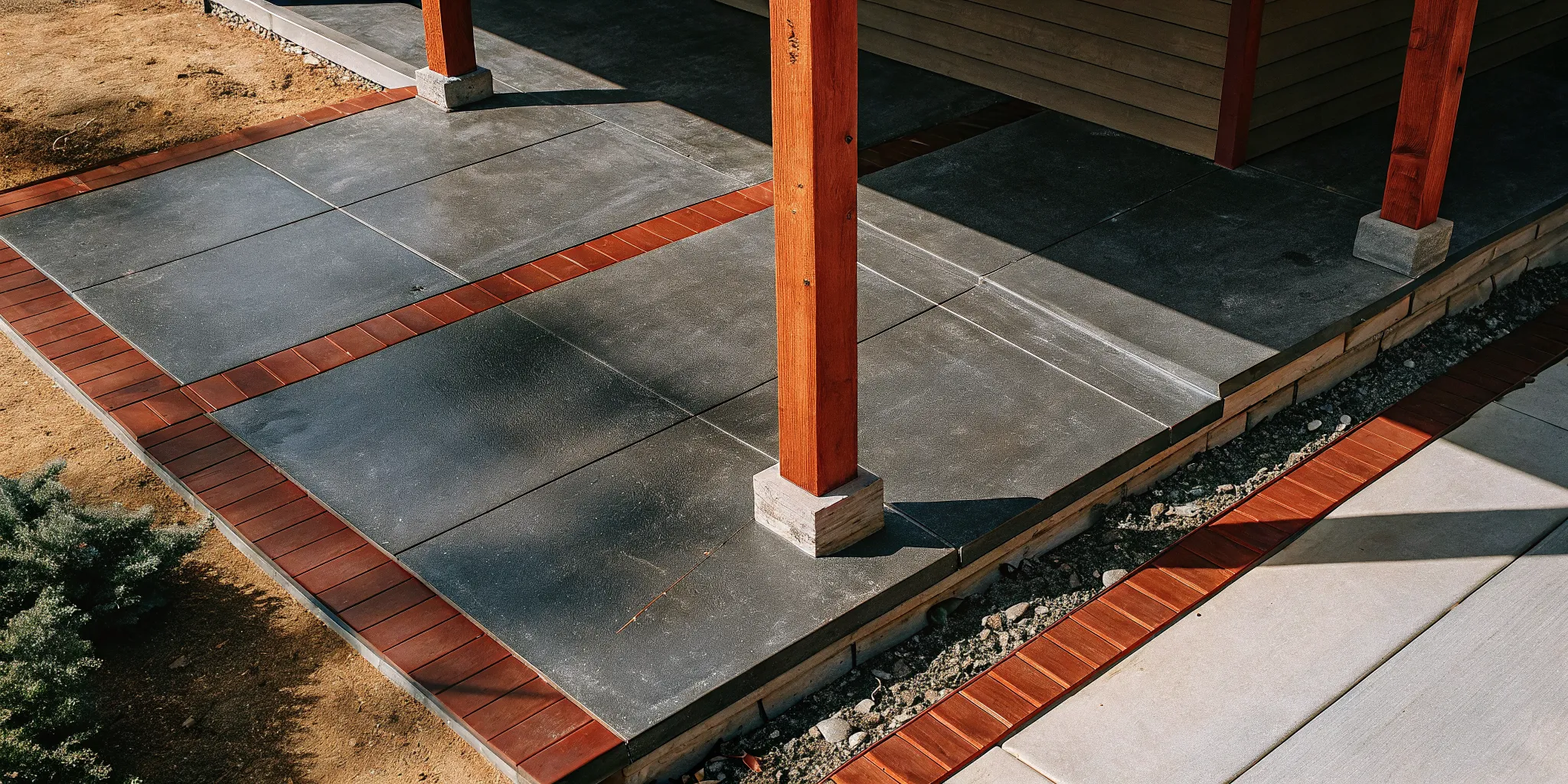
Concrete may look like it stays still, but it moves. It grows when it gets hot and shrinks when it gets cold. In the Denver Metro Area, heat can swing 50 degrees in just one day. These quick shifts put a lot of stress on your slab. Without a way to handle this movement, the concrete will crack in random ways. Crews use many types of joints to keep these cracks in check and protect your work.
Guiding cracks with joints
Concrete joints are more than just gaps in the floor. They are planned breaks that help manage how a slab reacts to wetness and heat. Concrete pavement joints are needed for relief when the mix grows or shrinks. There are two main types you will see in a home driveway or patio. These are control joints and expansion joints.
Control joints are made to guide cracks. Think of them like the score lines on a bar of candy. You want the concrete to crack, but you want it to happen in a straight line. Most teams create these by sawing the slab after it sets. They might also use a tool while the mix is still wet. This keeps the top looking clean even as it moves over time.
Spacing and placement basics
Where you put joints is just as vital as how you make them. Proper concrete curing and thoughtful joint locations can help control random cracking. Exact spacing depends on slab thickness, shape, reinforcement, mix, subgrade, and expected use, so a contractor should plan it for the project.
Expansion joints are a bit different. They go all the way through the slab to part it from other walls or a sidewalk. If your slab is large, you must use these to allow for full movement. They often use a soft fill like felt or foam. This soft fill can squish when the concrete grows in the sun. This prevents the slab from pushing against a garage or a house wall.
Comparing joint types
Picking the right joint depends on where it goes and what it must do. Control joints handle small shifts in the main slab. Expansion joints allow for much larger moves near other structures. Using the wrong one can lead to warped concrete or deep gaps. These gaps can let water sink under the slab.
| Joint Type | Primary Goal | Cut Depth | Common Spot |
|---|---|---|---|
| Control Joints: guide shrinkage cracks within the main slab. | |||
| Expansion Joints: allow movement between adjoining slabs or structures. | |||
| Construction Joints: mark where separate concrete pours meet. | |||
| Isolation Joints: separate a slab from a fixed object such as a column. |
Concrete expansion joints for driveways work best when they stay sealed. Sealing keeps water and dirt out of the gaps. If water gets under the slab and freezes, it can push the concrete up. This often leads to big breaks and more involved fixes. You should check your joints once a year for any signs of wear. Keeping them in good shape helps your driveway last for many years in our local weather.
What are the common signs of joint failure?
Common joint failure signs include missing or separated filler, chipped slab edges, recurring cracks, uneven panels, and water that remains in a joint. These symptoms can point to failed sealing, movement, or a drainage issue below the surface.
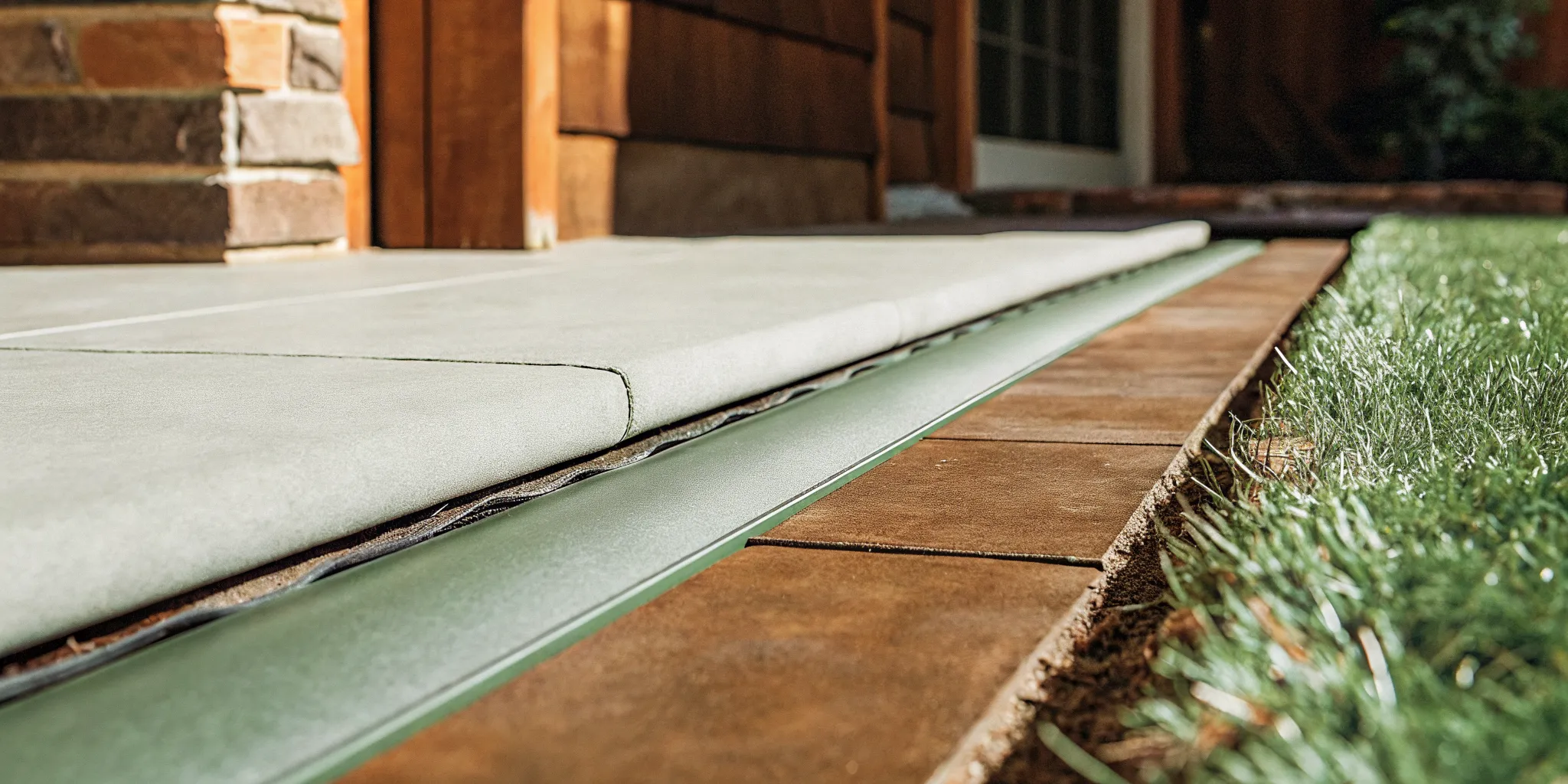
Your driveway works hard to handle heavy cars and the wild weather in the Denver Metro Area. The concrete expansion joints for driveways are the first line of defense against cracks. When these joints fail, the slab loses its ability to move safely. You can often see the first signs of trouble just by walking your driveway and looking for changes in the gaps.
Visible gaps and missing filler
One clear sign of a problem is when the filler starts to pull away from the concrete. Federal experts note that joint seals must stick to both sides of the gap to work well. If you see gaps between the sealant and the slab, water can get underneath. In Colorado, this water will freeze and expand. This puts huge pressure on the concrete. You might also notice that the filler has sunk or is missing in some spots.
Cracks near the edges
Keep an eye out for small cracks that form right next to the joint. This is often called spalling. It happens when the joint gets full of hard debris like small rocks or dirt. When the concrete tries to expand in the sun, it hits those rocks instead of the soft joint. This force causes the edges of the slab to chip and break. If you see many small chips along the lines, it is a sign that your concrete repair needs to start soon.
Uneven slabs and water issues
If one slab sits higher than the one next to it, the joint has likely failed. This usually means water has washed away the dirt under the driveway. Without a tight seal, rain and melting snow flow into the joint reservoir. This can lead to sunken sections or ground that pushes the slab up. Proper hardscape drainage planning is the best way to stop this from ruining your yard. If you see water pooling in the joints long after a storm, the seal is no longer doing its job.
How should you maintain driveway and patio joints?
Maintain driveway and patio joints by checking them each spring and fall, clearing loose debris, watching drainage, and documenting changes. Ask a contractor to assess recurring cracks, damaged edges, rocking panels, or unexplained movement.
Request a professional concrete joint assessment
Joints need routine care because open gaps collect soil, weeds, and water. A quick check in spring and fall can reveal small changes before they affect a larger part of the slab. Focus on what you can see, keep the area clean, and ask a concrete contractor to assess movement or damage that is hard to explain.
A simple seasonal joint check
- Walk the full slab. Look at each joint along the driveway or patio. Note loose filler, missing sealant, weeds, edge chips, and places where one slab sits higher than the next.
- Clear loose debris. Sweep dirt and leaves away so water can drain instead of sitting in the joint. Avoid digging with a sharp tool that could harm the concrete edge or existing filler.
- Watch drainage during rain or snowmelt. Water should move away from the slab and nearby structures. Standing water or repeated flow into a joint deserves attention because moisture can reach the base below.
- Check the joint filler. Filler should not be brittle, badly sunken, or pulled away from both sides. A contractor can confirm which replacement material fits the joint and expected movement.
- Document changes. Take dated photos from the same angle. Comparing them over time makes it easier to tell whether a crack, gap, or height change is stable or growing.
- Request an inspection when needed. Call a concrete contractor if you see recurring cracks, slab movement, damaged edges, or water reaching nearby steps or foundations.
What not to do
Do not fill every visible line with a rigid patch. A joint is meant to allow planned movement, and a hard fill can defeat that purpose. It may also push stress toward the slab edge or an adjoining structure. The right repair depends on whether the line is an expansion joint, a control joint, a construction joint, or an unplanned crack.
Also avoid assuming that sealant alone will solve a drainage or base problem. If a joint keeps opening, if slabs rock under foot or vehicle load, or if one panel rises above another, the cause may extend below the surface. Those signs call for a closer assessment rather than another surface-only fix.
Care that supports a longer-lasting slab
Keep gutters, downspouts, and nearby grading from directing water across the driveway or patio. Remove weeds before roots widen gaps. After snow clears, check for fresh edge damage and new changes around fixed objects such as steps, walls, and garage floors.
Good maintenance does not mean trying to stop all movement. It means keeping joints clear, watching how the slab behaves, and acting when a change points to more than normal wear. That steady approach helps concrete expansion joints for driveways continue doing the job they were designed to do.
When should a concrete contractor inspect the slab?
A concrete contractor should inspect a slab when cracks return, panels move or rock, joint edges break, or water collects near a home or fixed structure. An inspection can distinguish normal joint wear from movement, drainage, or base problems.
Slab movement and deep cracks
You should call a concrete expert if you see your driveway or patio moving. Large cracks that keep coming back are a clear sign of deep trouble. These cracks often mean the ground below is shifting or the concrete can no longer hold its own weight. In the Denver Metro Area, our soil and wild weather put a lot of stress on your outdoor spaces.
If you ignore these signs, the damage will grow and it will be hard to fix. An expert can find out if the slab just needs concrete repair or a full swap. We look for wide gaps where the slab meets your house or steps. These gaps let water seep under the slab. This water then freezes and pushes the concrete up. This causes more breaks. Catching these problems early can save your home base from water damage.
Water and home base issues
Water is the biggest threat to your concrete slabs. If you see puddles that stay for hours after a storm, your slab might be sinking. Poor hardscape drainage planning can cause water to pool against your home. This is a big risk that needs a pro to check right away.
An expert will look at how the water flows off your driveway or patio. They check if the slab has the right tilt to move water to the yard. According to the Federal Highway Administration, many concrete issues start at the joints or from poor design. We want to make sure your driveway helps protect your home. We check for soft spots in the soil that might cause the slab to tilt toward your house.
Checking joint design
Sometimes the problem is not the concrete itself, but how the crew built it. A contractor should check your concrete expansion joints for driveways to see if they are in the right spots. If the joints are too far apart, the slab will crack in random places. We also check if the joint filler is still tight and doing its job.
Colorado’s weather causes concrete to grow and shrink a lot every year. Proper concrete pavement joints are needed to control this change and stop random cracks. At Faros Construction Services, we use an honest approach to tell you what your slab needs. We look at the joint depth and the type of parts used between the slabs. If you are not sure if your joints were done right, a check can give you peace of mind. We focus on high-quality work so your driveway lasts for many years in the Denver area.
Frequently Asked Questions
Concrete expansion joint questions usually focus on local weather, placement, maintenance, and materials. These concise answers cover the basics, while a site-specific assessment is best for an existing driveway or patio.
Why does Denver weather require concrete expansion joints?
Denver Metro Area weather can change quickly, repeatedly heating, cooling, freezing, and thawing outdoor concrete. This causes concrete to grow and shrink. Without joints, this movement leads to cracks and structural damage. Expansion joints give the concrete space to move safely during freeze-thaw cycles. According to Faros Construction Company, these joints are vital for stopping damage from the harsh local climate.
What happens if a driveway has no expansion joints?
Without these joints, your driveway will likely develop random cracks. Concrete must grow and shrink as temperatures change. If it has no place to move, the internal stress will force the slab to break. These cracks allow water to seep underneath. This causes more damage during winter freezes. Proper joint design and maintenance are key to avoiding these common pavement problems and keeping your surface smooth for many years.
How far apart should driveway expansion joints be?
Proper joint spacing depends on slab shape, thickness, reinforcement, subgrade, nearby structures, and expected use. A concrete contractor should plan the layout for the specific driveway or patio. Placing joints at thoughtful locations helps control where the concrete might break. This prevents messy, random cracks from forming across the main surface of your new driveway or patio.
What materials are used for concrete expansion joints?
Contractors select flexible filler and sealant materials based on the joint, expected movement, exposure, and installation conditions. The right system creates room for movement while limiting water and debris in the gap. According to the Federal Highway Administration, sealing these gaps is vital to stop debris and water from hurting the pavement system.
Ready to protect your driveway from Denver winters?
The fast weather shifts in the Denver Metro Area put a lot of stress on your outdoor concrete slabs every single day of the year. If you skip expansion joints, you risk deep cracks that can spread and ruin your whole driveway during the next big Colorado freeze and thaw. Starting your project now keeps your home safe and helps you avoid the heavy burden of fixing massive breaks once the ground shifts around again.
Our local team focuses on high quality work and uses the best methods for proper concrete curing to ensure your project lasts for many years. Ready to protect your concrete? Call (720) 594-5604 to request a concrete consultation.