
Adding a pergola to your backyard is about creating a destination—a place to relax, entertain, and extend your living space outdoors. But turning that vision into a solid, beautiful reality depends entirely on the team you hire. The right partner does more than just follow a plan; they collaborate with you, offer expert advice on materials that can handle Denver’s weather, and show a true commitment to quality craftsmanship. Finding the best custom pergola builders is the most critical step in the entire process. This guide will walk you through what separates the experts from the rest, giving you the confidence to choose a team that will build a lasting, beautiful addition to your home.
Key Takeaways
- Look for a True Partner, Not Just a Low Price: The right builder demonstrates their value through expert craftsmanship, a deep understanding of Denver’s building codes, and a portfolio of quality work. Investing in expertise from the start prevents costly fixes and ensures a beautiful, lasting result.
- Define Your Vision to Guide the Project: A custom pergola is a blank canvas. Get clear on how you’ll use the space to make informed decisions on materials, size, and features like lighting or shades, ensuring the final structure perfectly suits your lifestyle.
- Ask Questions and Get Everything in Writing: A successful project depends on clear communication. Before signing anything, confirm the builder’s credentials, understand the full project timeline, and review a detailed contract that outlines costs, payment schedules, and warranties.
What Makes a Great Pergola Builder?
Finding the right builder for your pergola is about more than just getting the job done. You’re looking for a partner who can bring your vision for an outdoor retreat to life, creating a structure that’s not only beautiful but also built to last. A great builder combines technical skill with a creative eye and a genuine commitment to your satisfaction. They understand that a pergola is an extension of your home and should reflect your style and needs. From the initial design conversation to the final walkthrough, the experience should feel collaborative and professional. Here are the key qualities that separate the best pergola builders from the rest.
A Commitment to Quality Craftsmanship
Exceptional craftsmanship is the foundation of a pergola that you’ll enjoy for years. A great builder prioritizes quality, ensuring every cut is precise, every joint is secure, and every detail is meticulously executed. This commitment is visible in the final product—a structure that feels solid, looks polished, and stands up to Denver’s weather. They understand the nuances of working with different materials, whether it’s the natural warmth of wood or the sleek durability of composite. True quality craftsmanship means no shortcuts, just a deep respect for the trade and a dedication to building something you’ll be proud to have in your backyard.
Creative and Collaborative Design
Your pergola shouldn’t be a cookie-cutter kit. A top-tier builder acts as your creative partner, listening to your ideas and translating them into a functional, beautiful design. The best design process is collaborative; they’ll ask about how you plan to use the space and suggest features you might not have considered, like integrated lighting or retractable shades. An exceptional builder knows that a custom pergola should look like a natural part of your home, not an afterthought. They bring expertise to the table, helping you refine your vision into a buildable plan that perfectly suits your home’s architecture and your lifestyle.
Sourcing High-Quality Materials
The longevity of your pergola depends entirely on the quality of the materials used to build it. A reputable builder has established relationships with trusted suppliers and will guide you through the pros and cons of different options. They know which types of wood resist rot and insects, and they understand the benefits of low-maintenance alternatives like aluminum, which is highly resistant to rust and corrosion. A great builder won’t cut corners with subpar materials to lower a bid. Instead, they’ll help you choose the best pergola materials for your budget and aesthetic goals, ensuring your investment is durable and lasting.
Expert Knowledge of Denver Building Codes
Working with a builder who has expert knowledge of local building codes is non-negotiable. In the Denver metro area, specific regulations govern the construction of outdoor structures, from setback requirements to footing depths. An experienced local builder understands these rules inside and out, ensuring your project is fully compliant from the start. This expertise prevents costly delays, potential fines, and the headache of having to redo work. They will handle the permitting process correctly, giving you peace of mind that your new pergola is not only beautiful but also safe and legally sound.
Finding the Best Custom Pergola Builders in the Denver Metro Area
Once you know what to look for in a great builder, your next step is to find the right team here in the Denver metro area. The right partner will not only understand your vision but will also have the local expertise to bring it to life, ensuring your new pergola can handle everything from sunny afternoons to winter snow.
Why Faros Construction Services Stands Out
At Faros Construction Services, our reputation is built on a foundation of quality and durability. We believe a custom pergola should be a lasting enhancement to your home, which is why we focus on creating structures that are both beautiful and built to withstand the elements. We offer a range of options tailored to your specific needs, using high-quality materials that won’t rust, dent, or break. Our commitment is to create stunning decks, pergolas, and porches that become a natural extension of your home. As an owner-led team, we’re hands-on with every project, ensuring every detail is executed correctly from the initial design to the final build.
A Look at Other Local Builders
As you explore your options, you’ll find several other reputable builders in the Denver area. Getting familiar with the landscape can help you make a confident choice. For instance, some companies specialize in offering a wide array of styles and materials, giving you the flexibility to choose between wood or aluminum for an attached or freestanding structure. Other companies provide innovative online design tools that allow you to create a digital model of your pergola. This interactive approach can be helpful for visualizing your project. Comparing these different approaches will help you decide what’s most important for your home, whether it’s a wide selection of materials or the hands-on guidance of an expert team.
What Customization Options Can You Expect?
One of the best parts of working with a custom builder is that you aren’t limited to a one-size-fits-all kit. A custom pergola is designed to perfectly match your home’s style, fit your unique space, and function exactly how you need it to. From the foundational materials to the finishing touches, you have a say in every detail. This collaborative process ensures the final structure is a true extension of your home. When you partner with an experienced team, they can guide you through the possibilities and help you create an outdoor feature that is both beautiful and practical for your life in the Denver metro area. Let’s look at the key areas where you can make your new pergola your own.
Choosing Your Material: Wood, Aluminum, or Composite
The material you choose sets the tone for your pergola’s entire look and feel, and it also determines its maintenance needs. Wood is a classic choice, offering a warm, natural aesthetic that blends beautifully with any landscape. Cedar and redwood are popular for their durability and resistance to the elements. If you prefer a low-maintenance option, aluminum is a fantastic choice. It’s highly resistant to rust and corrosion, so it stands up well to Denver’s varied weather without needing to be stained or sealed. For a modern look that combines durability with minimal upkeep, composite materials offer the appearance of wood without the associated maintenance.
Exploring Architectural Styles and Designs
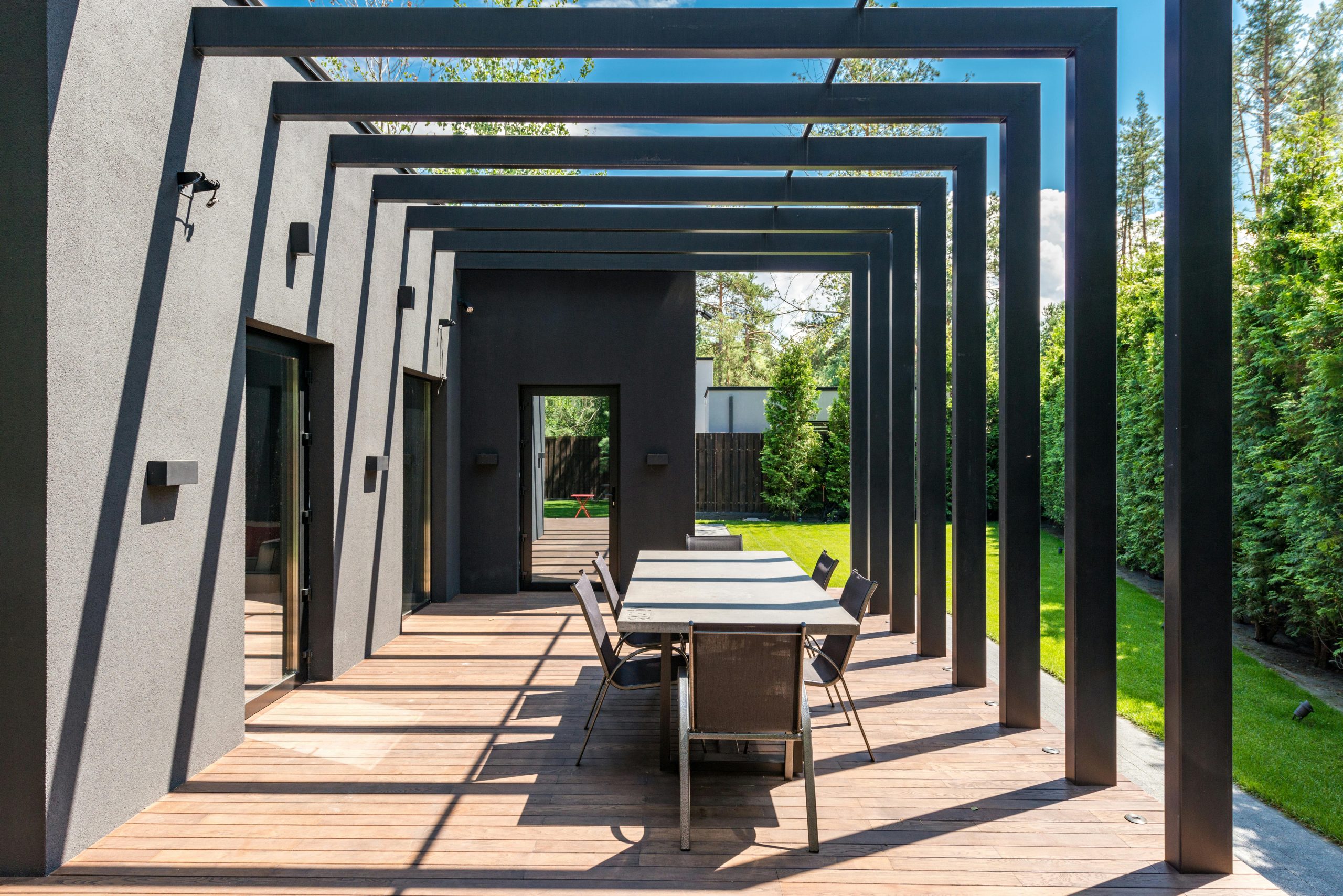
Your pergola’s design should complement your home’s architecture, not compete with it. While ornate, detailed pergolas had their moment, the current trend leans toward cleaner, more streamlined designs that feel both modern and timeless. A great builder will work with you to create a style that fits your vision, whether that’s a minimalist structure with clean lines for a contemporary home or a more traditional design with classic details for a historic property. The goal is to create a seamless transition from your indoor living area to your outdoor space, making the pergola feel like it was always meant to be there.
Tailoring the Size and Configuration
Unlike pre-made kits, a custom pergola is built to the exact dimensions of your space. This means you can create a structure that fits perfectly over an oddly shaped patio, extends along the length of your house, or stands alone as a destination in your yard. The final size and complexity of the design are key factors that will influence the project’s cost, but this flexibility is what makes a custom build so valuable. Whether you need a small, intimate covering for a cozy seating area or a large, expansive structure for entertaining, a custom builder can design and construct a pergola that meets your specific needs.
Adding Features like Lighting and Shades
The right features can transform your pergola from a simple shade structure into a fully functional outdoor living space. Integrated lighting is a popular addition, allowing you to enjoy your patio well into the evening. You can also add retractable canopies, motorized louvered roofs, or side screens to get the perfect amount of sun or shade at any time of day. For ultimate comfort, consider adding built-in heaters or ceiling fans to extend the seasons you can use your space. Some modern systems even include wind and rain sensors that automatically adjust the louvers, giving you a smart, responsive shelter.
How Much Does a Custom Pergola Cost?
Figuring out a budget for your custom pergola is one of the first steps in bringing your vision to life. Since every project is unique, there isn’t a single price tag. However, understanding what goes into the final cost will help you set a realistic budget and make informed decisions. The price is shaped by your specific choices, from the footprint of the structure to the materials you select.
What Factors Influence the Final Price?
The final cost of your custom pergola comes down to three main elements: size, materials, and design complexity. A larger structure will naturally require more materials and labor, which increases the investment. The materials you choose also play a huge role. Classic wood like cedar has a different price point than low-maintenance aluminum or composite options.
Finally, a simple, classic design will be more budget-friendly than a complex one with intricate details, custom-cut curves, or multiple levels. Add-on features like built-in lighting, retractable canopies, or integrated privacy screens will also affect the final price. Thinking through these key factors will help you define the scope of your pergola project and align it with your budget.
Understanding Average Cost Ranges
While every project is different, you can get a general idea of the cost by looking at average price ranges. In the Denver metro area, a custom-built pergola often falls somewhere between $50 and $60 per square foot for professional installation. So, for a standard 12×12-foot pergola (144 square feet), you could estimate a starting range of $7,200 to $8,640.
Remember, this is just a ballpark figure. Your final cost will depend on the materials and design complexity we just discussed. This estimate typically includes both the materials and the professional labor needed to build a beautiful and durable structure that enhances your outdoor living space. It’s a helpful starting point for planning your budget before you start reaching out to builders.
How to Get an Accurate Quote
The best way to move from a rough estimate to a firm number is to talk directly with a professional builder. Before you reach out, spend some time gathering inspiration and thinking about the size, style, and features you want. The clearer your vision is, the more accurate your initial quote will be.
When you’re ready, you can schedule a consultation to discuss your project in detail. A reputable builder will provide an itemized quote that breaks down the costs for materials, labor, permits, and any special features. This transparency is key, as it allows you to see exactly where your money is going and helps you compare different proposals fairly. Don’t hesitate to ask questions to make sure you understand every line item.
How to Choose the Right Builder for Your Home
Finding the right builder is the most critical step in bringing your dream pergola to life. This is the team you’ll be trusting with your home, your budget, and your vision. To make sure you find a true partner for your project, focus on four key areas: their previous work, their credentials, their communication style, and their process. Taking the time to vet these aspects will help you find a contractor who not only builds beautiful structures but also provides a smooth, transparent experience from start to finish.
Review Their Portfolio and Past Projects
A builder’s portfolio is your window into their craftsmanship and style. Go beyond the pretty pictures and look for details. Do their structures look solid and well-built? Pay attention to the foundations, the joinery, and the finishing touches. A quality portfolio should showcase a variety of outdoor living spaces that demonstrate an understanding of quality materials and precise proportions. This is your best evidence that they can avoid common construction mistakes and deliver a flawless finish. Look for projects similar to what you have in mind to confirm they have the specific experience you need for your custom pergola.
Verify Their Licenses and Insurance
This step is non-negotiable. A reputable builder will be fully licensed to work in the Denver metro area and carry both liability insurance and workers’ compensation. This protects you from any liability in case of accidents or property damage during construction. Ask for proof of their credentials upfront—a professional will have no problem providing them. Proper licensing is also a good indicator that the builder is knowledgeable about local building codes and regulations, ensuring your pergola is not only beautiful but also safe and compliant. This professionalism is key to achieving a clean, finished look, especially for custom features.
Gauge Their Communication and Project Management
You’ll be working closely with your builder, so a good rapport is essential. During your initial conversations, notice how they listen to your ideas and answer your questions. A great contractor will offer clear, honest communication. For example, they should manage your expectations about what a pergola can and can’t do, like explaining that open-rafter designs filter sunlight rather than providing complete shade. Ask about their project management style: Who will be your main point of contact? How will they keep you updated on progress? A builder who is organized and responsive from the start is likely to maintain that standard throughout the project.
Understand Their Design-to-Build Process
Every builder has a unique process, and you need to find one that works for you. Ask them to walk you through their steps, from the initial design consultation to the final walkthrough. A transparent builder will clearly explain how they handle project milestones, payments, and any changes you might want to make along the way. This is also the time to discuss how they develop a quote. They should be able to explain how factors like size, materials, and design complexity will influence the final cost. A clear, well-defined design-to-build process is a sign of an experienced team that can manage your project efficiently and keep it on budget.
How to Read Between the Lines of Customer Reviews
Online reviews are a great starting point, but the real value is in the details, not just the star rating. A generic “they did a great job” doesn’t tell you much. To truly understand a builder’s strengths and weaknesses, you need to look for specific patterns and comments that speak to their process, communication, and the final quality of their work. Reading reviews critically helps you identify builders who not only create beautiful structures but also provide a smooth and transparent experience from start to finish. It’s about finding comments that reflect the kind of partnership you want to have for your home project.
Positive Signs to Look For
Look for reviews that go beyond simple praise. The best testimonials often tell a story. Do past clients mention a collaborative design process or how the builder offered personalized solutions? These are signs of a contractor who listens and adapts to a homeowner’s vision. Pay attention to comments about the quality of materials and the team’s professionalism on-site. When you see reviews where customers are thrilled with the final product and mention how their family—even their pets—now enjoys the new space, you know the builder delivered on both function and comfort. You can often find these detailed accounts on a builder’s portfolio page.
Red Flags to Watch Out For
Negative reviews can be just as revealing, but it’s important to look for recurring themes. A single complaint might be an isolated incident, but if multiple clients mention the same issue, it’s a pattern. Watch for comments about poor site preparation, unexpected delays, or the use of low-quality materials that didn’t hold up. Another subtle red flag is a client feeling misinformed. For example, if a review mentions disappointment that their pergola didn’t provide complete shade, it could mean the builder failed to set clear expectations. A great builder educates their clients on what to expect from different pergola designs and materials.
What to Ask Their Past Clients
If a builder provides references, take the opportunity to dig deeper. This is your chance to ask questions that online reviews might not answer. Ask about the finished look—does the pergola feel seamless and well-integrated with the home? Inquire about how custom features, like lighting or retractable screens, were handled. Were they an afterthought or part of the initial design? It’s also smart to ask about durability. How has the structure held up to Denver’s weather? A conversation with a past client can give you invaluable insight into the builder’s long-term quality and customer service. When you’re ready, you can always reach out to a builder to request references.
Key Questions to Ask Before You Hire
Once you’ve narrowed down your list of potential builders, it’s time to start the interview process. This is your chance to get a feel for their communication style, professionalism, and expertise. Going into these conversations prepared with the right questions will help you compare your options and choose a partner you can trust. Think of this as the final step to ensure you’re making a confident and informed decision for your home.
What’s the Project Timeline?
One of the first things you’ll want to understand is the project timeline. A clear schedule sets expectations for everyone involved and helps you plan accordingly. Ask the builder for an estimated start and completion date, but also dig a little deeper. It’s helpful to inquire about their typical project duration for a pergola like yours and what factors might cause delays, such as weather or material backorders. A professional builder should be able to provide a realistic timeline and explain how they manage the project to stay on track. This conversation will give you a good sense of their organizational skills and transparency.
Who Handles Permits and Compliance?
This is a critical question that can save you from major headaches. Building a pergola in the Denver metro area often requires permits to ensure it meets local safety and zoning regulations. You need to clarify who is responsible for securing these permits. A full-service, experienced builder will typically handle the entire permitting process for you, from submitting the application to scheduling inspections. This ensures your new outdoor living space is fully compliant with all local building codes, protecting you from potential fines or legal issues. Don’t be afraid to ask for specifics on how they manage this part of the project.
Can We Review the Payment Schedule and Contract?
Before you sign on the dotted line, make sure you have a crystal-clear understanding of the financial side of the project. Ask for a detailed contract and a clear payment schedule. A trustworthy contractor will provide a document that outlines the total cost, a breakdown of expenses, and a schedule of payments tied to specific project milestones. Take your time to review the contract thoroughly and ask questions about anything that seems unclear. This transparency is a hallmark of a professional operation and protects both you and the builder throughout the construction process.
What Does the Design Revision Process Look Like?
Building a custom pergola is a collaborative effort, and it’s normal for the design to evolve. To ensure the final product is exactly what you envision, it’s important to discuss the design revision process upfront. Ask your potential builder how they handle changes and how many rounds of revisions are included in the initial proposal. Understanding their process for incorporating your feedback will help manage expectations and keep the project moving smoothly. A good designer-builder will welcome your input and have a clear system for making adjustments while keeping the project on schedule and within budget.
Understanding Warranties and Long-Term Care
A custom pergola is a significant investment in your home, so it’s smart to think about its long-term value and care. A reputable builder will stand behind their work with a solid warranty and give you clear guidance on keeping your new outdoor feature looking its best for years to come. Understanding these details before you sign a contract ensures you know exactly what to expect after the building crew packs up and leaves. It’s all about protecting your investment and ensuring your peace of mind.
When you partner with a professional, they should be transparent about what their warranty covers and what your role is in maintaining the structure. This conversation helps set clear expectations and builds a foundation of trust, which is essential for any successful home project.
What Should a Standard Warranty Cover?
Think of a warranty as a builder’s promise to you. It shows they’re confident in the quality of their materials and craftsmanship. A standard warranty for a custom pergola should cover the main structural components against defects. For example, you might see coverage for the frame and posts for a set number of years. If your pergola includes elements like retractable canopies, the fabric might have a separate warranty from its manufacturer.
Before committing, ask for the warranty details in writing. A clear, comprehensive warranty that protects you from material failure or installation errors is a strong indicator that you’re working with a trustworthy pergola builder. It’s one of the best ways to ensure your beautiful new structure remains a lasting part of your home.
Maintenance Needs for Different Materials
The material you choose for your pergola will directly influence how much time you spend on upkeep. Classic wood pergolas offer a beautiful, natural look but require regular maintenance to stay in top shape. This typically involves cleaning, sealing, or staining every few years to protect the wood from Denver’s sun and moisture.
On the other hand, materials like aluminum and composites are known for their durability and low-maintenance appeal. Aluminum is naturally resistant to rust and corrosion, so it won’t need staining or sealing. A simple cleaning is usually all it takes to keep it looking new. When discussing your outdoor living space, be sure to talk with your builder about the long-term care requirements of each material so you can choose one that fits your lifestyle.
What Happens After the Project is Done?
Once your pergola is built, a professional contractor will ensure the installation is flawless and the site is left clean. Your main responsibility is simply to enjoy your new space. Long-term care is usually straightforward and often similar to maintaining a deck. Regular inspections to check for any issues and periodic cleaning will keep your pergola safe and beautiful.
Your builder should provide you with a clear set of maintenance guidelines based on the materials used. If you have any questions about upkeep or notice anything that needs attention, don’t hesitate to reach out. A good construction partner is available to answer questions even after the project is complete. If you want to learn more about a builder’s process, you can always schedule a consultation to discuss the details.
Common Myths About Custom Pergolas
Pergolas are fantastic additions to any backyard, but they come with their fair share of myths. You might have heard that they’re a pain to maintain, don’t offer enough shade, or will break the bank. These misconceptions can unfortunately stop homeowners from exploring what a beautiful, functional structure a custom pergola can be. Let’s clear the air and separate fact from fiction so you can make an informed decision for your home and outdoor space.
A custom-built pergola is designed to fit your specific needs, from the amount of sun you want to filter to the architectural style that complements your home. When you work with an experienced builder, you get a structure that’s not only beautiful but also built to last. We’ll walk through some of the most common misunderstandings about custom pergolas and show you why they might be the perfect solution for your Denver home. From maintenance and shade to cost and weather durability, we’re tackling the biggest myths head-on to give you the confidence to move forward with your project. A well-designed pergola doesn’t just add value to your property; it creates a dedicated space for relaxation, entertainment, and making memories.
Myth: Pergolas Provide Complete Shade
One of the biggest misconceptions is that a pergola will give you the same solid shade as a covered porch. In reality, a traditional pergola with an open-rafter roof is designed to filter sunlight, not block it completely. This creates a lovely dappled light effect that reduces the sun’s intensity without casting your patio into total darkness. If you’re looking for more substantial coverage, you have plenty of options. You can add a retractable canopy, grow climbing plants, or even opt for an adjustable louvered roof system to control the exact amount of sun or shade you get throughout the day.
Myth: All Pergolas Are High-Maintenance
The idea that all pergolas require constant upkeep is simply not true. The level of maintenance depends almost entirely on the material you choose. A classic wood pergola will need periodic staining or sealing to protect it from the elements, much like a wooden deck. However, if you prefer a lower-maintenance option, you can choose materials like aluminum, vinyl, or composite. These materials are incredibly durable, resist rot and pests, and usually just need an occasional cleaning to look their best. A quality builder can walk you through the pros and cons of each material to find the right fit for your lifestyle and the overall hardscape design.
Myth: Custom Always Means Expensive
The word “custom” often gets equated with “expensive,” but that’s a major myth. A custom pergola simply means it’s designed and built specifically for your space, not pulled from a one-size-fits-all kit. This tailoring process actually allows you to control the cost by making choices that fit your budget. You can select more affordable materials, a simpler design, or a smaller footprint. Getting a custom quote is the best way to see how a tailored pergola can fit your financial plans, often providing better long-term value than a kit because it’s made with higher-quality craftsmanship and fits your home perfectly.
Myth: Pergolas Can’t Handle Denver Weather
It’s easy to worry about how an outdoor structure will hold up against Denver’s unpredictable weather, from heavy snow to high winds. But a professionally built pergola is engineered to handle it all. The key is proper design, high-quality materials, and expert installation. A skilled builder will ensure your pergola has a strong foundation and is constructed to meet or exceed local building codes for wind and snow loads. Features like durable finishes and smart engineering mean your pergola won’t just survive the Colorado climate—it will thrive in it. You can see examples of our durable past projects right here in the Denver area.
Mistakes to Avoid When Hiring a Pergola Builder
Finding the right builder is just as important as picking the perfect design. A great partnership leads to a beautiful, lasting structure, while the wrong one can cause headaches and disappointment. To help you make a confident choice, let’s walk through some common missteps homeowners make and how you can sidestep them. This ensures your investment not only adds beauty to your home but also provides lasting value and enjoyment for your family.
Choosing a Builder Based on Price Alone
It’s tempting to jump on the lowest quote, but price often reflects the quality of materials and craftsmanship. A suspiciously low bid might mean corners are being cut, which could cost you more in repairs down the line. A great builder also manages your expectations. For example, they’ll explain that a traditional pergola filters sunlight rather than blocking it completely. This kind of expert guidance is part of what you pay for. When you invest in a quality pergola builder, you’re investing in a structure that will stand strong and look great for years to come.
Skipping Reference Checks
Never take a builder’s word for it—let their past work do the talking. Ask for a list of recent clients and take the time to call them. Ask about their experience with communication, timeliness, and the final quality of the project. Beyond references, look through their online portfolio and read reviews. A reputable builder will have a gallery of their past projects for you to see. This is also your chance to confirm they have experience with the Denver metro area’s specific building codes and permitting processes, which is essential for a smooth and compliant project.
Overlooking Important Contract Details
The contract is your project’s blueprint and your protection. Before signing, read every line carefully. A vague contract is a major red flag. Your agreement should clearly outline the full scope of work, a detailed list of materials, a firm project timeline, and a clear payment schedule. It should also specify warranty information and expectations for long-term durability and maintenance. If something isn’t in writing, it isn’t guaranteed. Don’t be afraid to ask questions or request changes until you feel completely comfortable. A professional builder will welcome the clarity and be happy to provide a detailed contract.
Not Setting Clear Expectations from the Start
Miscommunication is the root of most construction frustrations. To avoid it, be crystal clear about your vision from day one. Share inspiration photos, sketches, and details about how you plan to use your new outdoor living space. Do you envision hosting large dinner parties or creating a quiet reading nook? The more your builder understands your goals, the better they can bring your vision to life. A collaborative design process where you can visualize the final product and discuss every detail ensures there are no surprises and that the finished pergola is exactly what you dreamed of.
Related Articles
- Pergola Installation Service: Cost & What to Expect
- Decks, Pergolas, and Porches – Faros Construction Services
Frequently Asked Questions
How do I know a custom pergola will be strong enough for Denver’s weather? This is a completely valid concern, and the answer lies in professional craftsmanship. A well-built custom pergola is engineered specifically for our climate. An experienced local builder uses high-quality materials and ensures the foundation and structure are designed to meet or exceed Denver’s building codes for both snow load and wind resistance. This is a key reason why hiring a professional is so important—they have the expertise to build a beautiful structure that is also incredibly durable.
My backyard has a unique shape. Can a custom pergola still work for me? Absolutely. In fact, that’s one of the biggest advantages of going custom instead of buying a pre-made kit. A custom builder can design a pergola that fits your space perfectly, no matter how unconventional it is. They can create a structure that works around existing trees, follows the curve of a patio, or fits into a narrow side yard, turning a challenging spot into a beautiful and functional outdoor room.
I don’t want to spend my weekends on upkeep. What are my best low-maintenance options? If you’re looking for a “set it and forget it” solution, you have great options. While wood is beautiful, it does require regular sealing or staining. For minimal maintenance, consider materials like aluminum or composite. Aluminum is fantastic because it’s naturally resistant to rust and corrosion and just needs an occasional cleaning. These materials give you a durable, long-lasting structure without adding a lot of chores to your to-do list.
Besides the final product, what should I look for in the experience of working with a builder? You should feel like you’re working with a partner, not just hiring a contractor. Look for a builder who communicates clearly and listens to your ideas. The design process should feel collaborative, where they offer expert advice to help refine your vision. A professional team will also be transparent about their process, from the initial quote and timeline to the final walkthrough, ensuring you feel informed and confident every step of the way.
Is a custom pergola really worth the investment compared to a DIY kit? While a kit might seem cheaper upfront, a custom-built pergola provides far greater long-term value. You get a structure made from higher-quality materials, designed to perfectly complement your home’s style, and built to last for decades. A professional handles everything from securing permits to the final installation, giving you peace of mind that the job is done right. It’s an investment in quality, durability, and a seamless fit for your home.