
Your family’s needs change over time. You might be looking for a private space for aging parents, a first apartment for an adult child, or simply a dedicated home office that’s separate from the main house. A garage conversion offers a brilliant solution, keeping your loved ones close while giving everyone their own space. Turning this idea into a comfortable, functional home starts with a solid plan. To move forward, you need to get a quote for garage to ADU conversion that aligns with your family’s goals and budget. This guide will help you prepare for that conversation, ensuring your vision for a new living space is captured accurately from the very beginning.
Key Takeaways
- Prepare for a more accurate quote: Do your homework before contacting a contractor. Define your must-haves, understand your garage’s current state, and research local ADU regulations to help professionals create a precise proposal for your project.
- A comprehensive quote is your project’s blueprint: Look for a detailed breakdown of all work and materials, a clear project timeline, and a plan for managing permits and inspections. This transparency is a sign of a trustworthy professional.
- Prioritize value and expertise over the lowest number: The right contractor provides lasting quality. Compare their specific experience with garage conversions, check their references, and review their warranties to find a partner you can trust.
Why Convert Your Garage into an ADU?
If your garage is mostly a storage spot for forgotten boxes and holiday decorations, you might be sitting on a goldmine of unused space. Transforming it into an Accessory Dwelling Unit (ADU) is a practical way to add a fully functional living area to your property without the complexities of a full-scale home addition. An ADU can be a game-changer for your family’s needs and financial goals. Whether you’re looking to create a private apartment for a family member, generate rental income, or simply add a flexible space for work or guests, a garage conversion offers a versatile solution. Let’s look at the specific advantages and the different ways you can approach this project.
Explore the Benefits
A garage conversion opens up a world of possibilities. Many homeowners in the Denver metro area use ADUs to create a comfortable, independent living space for aging parents or a private suite for guests. It can also serve as a dedicated home office, separating your work life from your home life. Beyond the immediate functional gains, an ADU is a solid investment. It can significantly increase your property’s value and provide a steady stream of rental income. Plus, by repurposing an existing structure, you’re making an environmentally conscious choice that adds valuable living space to your home.
Understand the Conversion Types
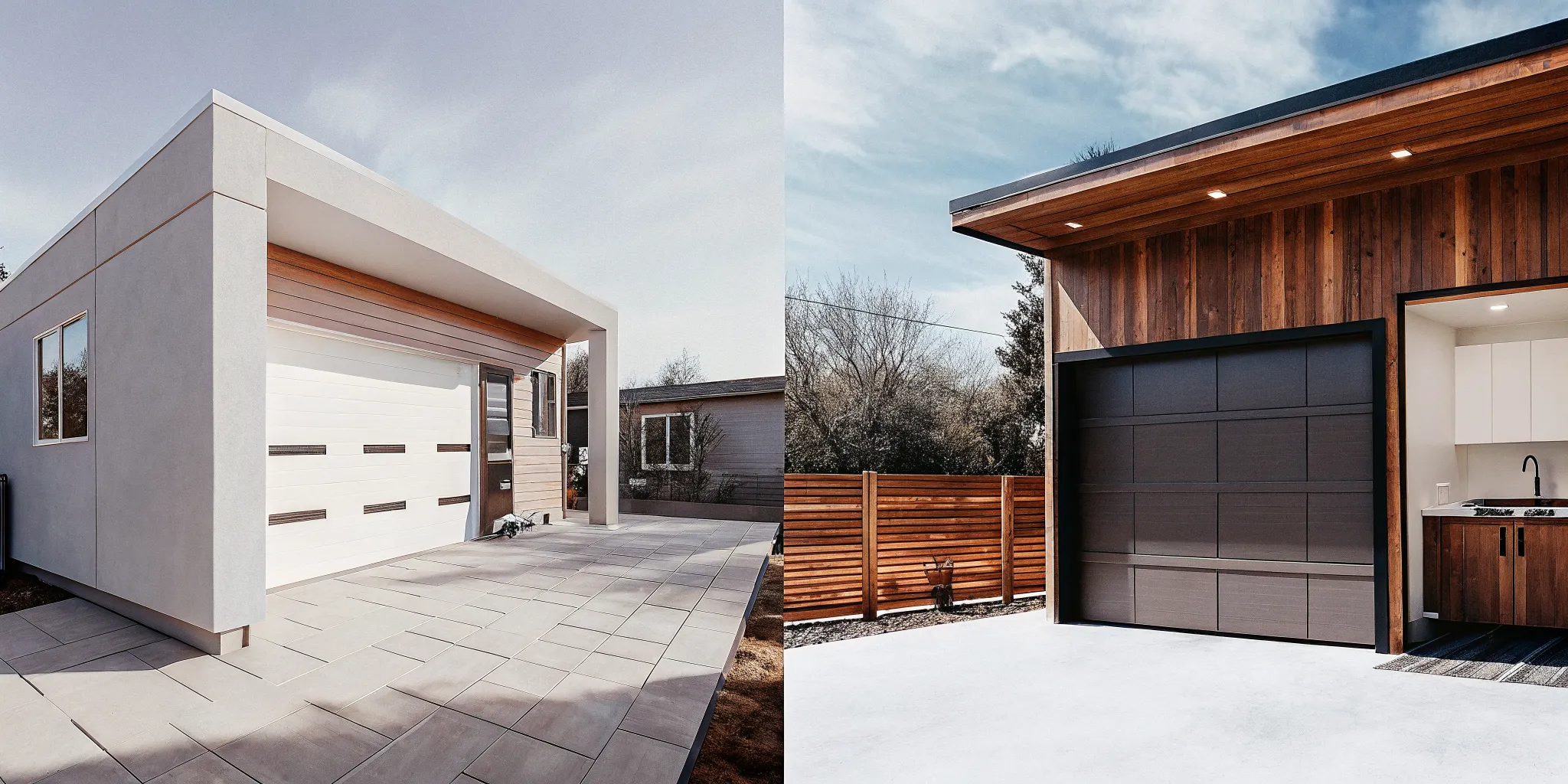
Garage conversions aren’t a one-size-fits-all project. The right approach depends on your goals and how you plan to use the space. A full conversion transforms the entire garage into a complete living unit, which includes adding proper insulation, flooring, plumbing, and electrical systems to create a comfortable home. On the other hand, a partial conversion allows you to keep some of the garage for storage or as a workshop while turning the remaining area into a functional room. Understanding these options is the first step in planning a project that perfectly suits your needs. You can always discuss your ideas with a professional to see what’s possible.
What Factors Shape Your ADU Conversion Quote?
When you receive a quote for your garage conversion, you’re looking at a number that reflects a unique combination of factors specific to your property and vision. Understanding these elements helps you see the full picture of your investment and make informed decisions. From the bones of your existing garage to the final design touches, several key components come together to determine the scope of your project. Let’s walk through the main factors that will shape your ADU conversion quote.
Your Garage’s Size and Condition
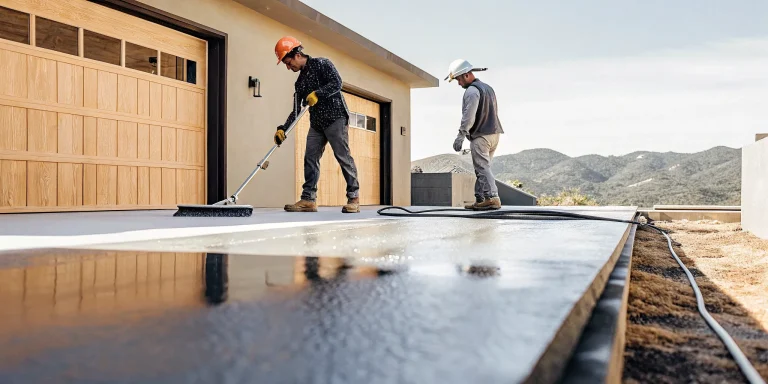
First, we’ll look at your garage’s current state. The size and structural integrity of the space are the foundation of your project. A larger two-car garage will naturally require more materials and labor than a single-car space. More importantly, the condition of the existing structure plays a huge role. Is the concrete slab level and free of major cracks? Is the framing solid and up to code? Any necessary repairs to the foundation, walls, or roof need to be addressed before the conversion can begin, influencing the overall project scope. A professional home builder can assess these elements accurately.
Plumbing and Electrical Needs
Next up are the essential utilities. If you plan to include a kitchen, bathroom, or laundry area, you’ll need new plumbing and electrical systems. This involves more than just hooking up a sink; it means running new water and sewer lines and installing a dedicated electrical panel to handle the new appliances and lighting. These are critical tasks that require licensed professionals to ensure everything is safe and meets building codes. The complexity of your plans, like a full kitchen versus a simple wet bar, will directly impact the work required for these essential services.
Denver’s Building Codes and Permits
Living in the Denver metro area means your project must comply with local regulations. The city has specific rules for ADUs that cover everything from ceiling height and window sizes to insulation requirements. Securing the right permits is a non-negotiable step, and the process involves fees and inspections to verify the work is done correctly. A knowledgeable contractor will manage this for you, but the requirements outlined in Denver’s ADU guide will influence material choices and construction methods, which are reflected in your quote.
Your Design and Finish Choices
This is where your personal style comes to life. The materials and finishes you select are a major factor in the final investment. For example, choosing custom cabinetry, quartz countertops, and hardwood floors will be different from opting for stock cabinets, laminate counters, and vinyl flooring. The layout also matters. A simple, open-concept studio is less complex to build than a one-bedroom unit with interior walls, doors, and closets. A well-thought-out design ensures your new ADU is not just built right but is also a comfortable and functional living space.
How to Prepare for an Accurate Quote
Getting a clear and accurate quote for your garage conversion starts long before you pick up the phone. A little prep work on your end makes the entire process smoother and ensures the final number reflects your actual project. When you come to the conversation prepared, you and your contractor can have a much more productive discussion about turning your vision into a reality. Think of it as creating a roadmap; the clearer it is, the easier it is for a professional to give you precise directions and a reliable estimate for the journey.
Assess Your Current Garage
Before you dream about paint colors and flooring, take a good, hard look at your existing garage. You don’t need to be a structural engineer, but having a basic understanding of your starting point is incredibly helpful. Check out the foundation, walls, and roof. Are there any visible cracks or signs of water damage? Note the current state of any electrical wiring or plumbing. Taking photos and jotting down a few notes about the garage’s condition will give your contractor a solid foundation to build their quote upon. This initial assessment helps identify what work is essential versus what’s part of the new design.
Research Local ADU Regulations
Every project has rules, and ADU conversions are no exception. The Denver metro area has specific zoning laws and building codes that will shape what’s possible for your project. Taking some time to understand these local ADU regulations is a critical step. You can often find information on your city or county’s website regarding permits, utility hookups, and size restrictions for ADUs. Knowing these details upfront prevents major surprises and delays. A good contractor will handle the permits, but having a baseline knowledge helps you ask the right questions.
Define Your Vision and Must-Haves
Now for the fun part: deciding what you want your new space to be. Think about its primary purpose. Will it be a rental unit, a guest suite for family, or a home office? Make a list of your non-negotiables. This could include a full kitchen, a certain type of flooring, or large windows for natural light. Then, create a “wish list” of features you’d love to have if the budget allows. This clarity helps a contractor understand your priorities and suggest materials or design tweaks to match your goals. Looking at other custom home building projects can also give you great ideas for layouts and finishes.
What to Share with Your Contractor
When you meet with a contractor, think of it as a creative partnership. The more information you can provide upfront, the more accurately they can capture your vision and prepare a detailed proposal. A clear starting point helps ensure everyone is on the same page from day one, leading to a smoother project and a final result you’ll love. Coming prepared with details about your space, your budget, and your design ideas will make the initial conversation incredibly productive. This preparation helps your contractor understand the full scope of your project and provide a quote that truly reflects your goals for your new ADU.
Key Garage Details and Measurements
To get an accurate quote, your contractor needs the specifics of your current garage. Start with the basic measurements, including the total square footage you plan to convert. For example, let them know if you’re converting a two-car garage or just a portion of a larger space. Note the current condition of the foundation, walls, and roof. Are there existing windows or doors that will stay or go? Providing these key details helps a builder understand the starting point of the project. This information allows them to map out the necessary steps to transform your garage into a beautiful and functional outdoor living space.
Your Ideal Budget and Timeline
Being clear about your financial plan and expected timeline is essential for a successful project. Have a budget range in mind that you’re comfortable with for the total investment. This allows your contractor to suggest appropriate materials and design solutions that align with your financial goals. It’s also helpful to discuss your ideal completion date. A typical garage conversion can take several months from planning to final touches, so sharing your timeline helps the contractor determine if they can meet your expectations. You can schedule a consultation to discuss how your budget and timeline fit with your project vision.
Specific Design Preferences
This is your chance to share your vision for the finished ADU. Think about how you want the space to feel and function. Do you want lots of natural light? What kind of flooring, cabinets, and fixtures do you envision? Consider the practical elements too, like the type of heating and cooling system, the number of electrical outlets, and the overall layout. Sharing inspiration photos or a simple sketch can be incredibly helpful. The more you can articulate your design preferences, the better your contractor can bring your ideas to life. You can even browse a portfolio of past projects to gather ideas for your own space.
How to Find the Right ADU Contractor in the Denver Metro Area
Choosing the right contractor is one of the most important decisions you’ll make for your garage conversion. This is the team you’ll be partnering with to bring your vision to life, so you want to find someone who is experienced, trustworthy, and a great communicator. Taking the time to do your homework now will ensure a smoother process and a final result you’ll love for years to come. Think of it as building the foundation for a successful project, starting with the people you hire.
Research Local Professionals
Your search should begin right here in the Denver metro area. Look for local, licensed general contractors who have specific experience with ADUs or custom home building. A garage conversion has unique challenges, so you want a team that understands the nuances of turning a non-livable space into a beautiful, functional home. Check out their websites, read online reviews, and browse their project galleries. This initial research will help you create a shortlist of professionals whose work aligns with your goals and quality standards.
Verify Licenses and Insurance
This step is non-negotiable. Before you even start a conversation, confirm that any contractor you’re considering is fully licensed and insured to work in the Denver area. A licensed professional will be familiar with local building codes and permit requirements, which protects you from potential issues down the road. Proper insurance safeguards you, your property, and the construction team. While it might be tempting to manage the project yourself, hiring a professional team ensures every detail is handled correctly and legally, giving you complete peace of mind.
Check References and Past Projects
Once you have a few contenders, it’s time to dig a little deeper. Don’t just rely on the testimonials you see online. Ask each contractor for references from homeowners who have completed similar garage conversions. A confident builder will be happy to connect you. Also, ask to see a portfolio of their finished work. Looking through their past projects gives you a real-world sense of their craftsmanship and attention to detail. This helps you confirm they can deliver the quality you expect for your new ADU.
What to Look for in a Comprehensive Quote
When you receive a quote for your garage conversion, think of it as more than just the bottom line. A truly comprehensive quote is a roadmap for your entire project. It shows that a contractor has listened to your vision and has a clear plan to bring it to life. A vague or confusing document can be a sign of trouble ahead, so it’s important to know what a great quote looks like. It should be clear, detailed, and answer more questions than it creates, giving you the confidence to move forward with your project.
A Detailed Breakdown of Work and Materials
A trustworthy quote will break down the entire project into individual line items. You should see a clear list of all the work involved, from framing and foundation work to plumbing, electrical, and insulation. It should also specify the materials being used. This level of detail gives you a complete picture of your investment and ensures there are no surprises. The final figure for any ADU conversion depends on your garage’s current condition, the finishes you select, and the complexity of your design, so this breakdown is key to understanding exactly what you’re getting.
Project Timeline and Key Phases
Your quote should also include a realistic project timeline with key milestones. This schedule helps you understand the flow of the project and manage your expectations. A typical conversion involves several stages, including planning and design, securing permits, and the actual construction. Knowing the estimated duration for each phase, from the initial groundwork to the final walkthrough, keeps everyone on the same page. It shows that your contractor has a solid plan for completing the work efficiently and helps you prepare for each step of the transformation.
Permit and Inspection Details
Handling building regulations can be one of the more complex parts of a garage conversion, so your quote should clearly state how permits and inspections will be managed. The document should outline which permits are required for your project in the Denver metro area and who is responsible for securing them. It’s also helpful when a quote clarifies how inspections will be scheduled and managed. A contractor who addresses these details upfront demonstrates their experience and commitment to doing the job correctly, ensuring your new outdoor living space is both beautiful and compliant.
How to Compare Contractor Quotes
Once you have a few quotes in hand, the real work begins. It’s easy to let the bottom-line number guide your decision, but the best choice often comes from a deeper look at what each contractor is truly offering. Comparing quotes isn’t just about finding the most affordable option; it’s about identifying the best partner who will deliver lasting results and a smooth experience. A thorough comparison helps you understand the value behind the numbers, ensuring you’re making a confident and informed investment in your home. Think of it as comparing blueprints: the details matter just as much as the final picture.
Look for Value, Not Just the Final Number
When you lay out your quotes, resist the urge to immediately discard the highest one. The total investment for a garage conversion can vary widely based on factors like your garage’s current condition, the quality of materials you choose, and the complexity of your design. A lower quote might mean a contractor is using subpar materials or cutting corners on essential steps, which could lead to problems down the road. Instead, focus on the overall value. Does the quote include high-quality, durable finishes? Does it account for comprehensive hardscape and landscape work to integrate the new ADU with your yard? A slightly higher initial investment can mean a better-built, more beautiful space that stands the test of time.
Compare Warranties and Service Guarantees
A contractor’s warranty is a direct reflection of their confidence in their craftsmanship. This is a critical point of comparison that often gets overlooked. A robust warranty gives you peace of mind, knowing that the team stands behind their work long after the project is complete. When reviewing your quotes, ask each contractor about their specific warranty policies. What exactly is covered, and for how long? A company that offers a clear and comprehensive service guarantee is showing you they are committed to quality and your long-term satisfaction. This commitment is a hallmark of a trustworthy home builder who prioritizes lasting results over quick turnarounds.
Spotting Red Flags in a Quote
A detailed, transparent quote is a sign of a professional and organized contractor. Be wary of bids that are vague or include confusing line items. For example, if you see a “contingency” allowance, ask for a clear explanation. Is this buffer for unforeseen issues discovered during demolition, or is it a cushion for the contractor’s own potential mistakes? A trustworthy professional will provide a clear breakdown of every part of the project. If a quote feels too good to be true or lacks detail, it’s a major red flag. Don’t hesitate to ask questions and seek clarification on anything that seems unclear.
Key Questions to Ask Potential Contractors
Finding the right contractor is about more than just getting a quote; it’s about finding a partner you can trust to bring your vision to life. Asking thoughtful questions upfront helps you understand their process, experience, and communication style. This conversation ensures everyone is on the same page from day one and sets the stage for a smooth, successful project. When you know what to ask, you can confidently choose a team that aligns with your goals and will treat your home with the care it deserves.
Their Experience with Garage Conversions
A garage conversion is a specialized project, so you’ll want a team that knows exactly what they’re doing. Start by asking about their direct experience. Good questions include: “How many garage-to-ADU conversions have you completed in the Denver metro area?” and “Are you fully licensed and insured for this type of work?” Don’t hesitate to ask to see examples of their past projects or speak with previous clients. A contractor who is proud of their work will be happy to share it. This helps you gauge their craftsmanship and their familiarity with local building requirements, which is essential for a seamless conversion.
How They Handle Permits and Inspections
The paperwork and approvals for an ADU can feel overwhelming, so it’s important to know how a contractor manages this process. Ask them directly: “Will your team handle the entire permitting process, from submitting designs and engineering plans to coordinating all necessary inspections?” A clear “yes” is a great sign. You should also inquire about the project timeline and how securing permits fits into it. An experienced contractor will have a good handle on the typical timelines for Denver-area municipalities and can build that into the schedule. This clarity ensures there are no surprises and that your project moves forward efficiently.
Their Approach to Project Management
Clear communication is the foundation of any successful construction project. To understand a contractor’s management style, ask how they structure their proposals and handle changes. You could ask, “Can you walk me through which parts of the quote are fixed and which are allowances for finishes?” or “What is your process for managing change orders if we decide to make an adjustment mid-project?” A transparent contractor will have a straightforward system for communication and approvals. Understanding their approach to project management helps you know what to expect and ensures you feel comfortable and informed every step of the way. When you’re ready to discuss your project, you can schedule a consultation.
Common Misconceptions About ADU Quotes
Getting a quote for your garage conversion is an exciting step, but a few common misunderstandings can trip up even the most prepared homeowner. It’s easy to get fixated on a single number without seeing the full picture. Let’s clear the air on what to really expect so you can move forward with confidence.
Underestimating the Full Investment
Many homeowners are surprised by the full financial commitment involved in a garage conversion. While every project is unique, the typical investment to transform a garage into a fully functional ADU can be significant. This wide spectrum isn’t meant to be confusing; it reflects how many variables are at play. The final figure depends heavily on your garage’s current condition, the quality of materials you select, and the intricacy of your design. A detailed quote from an experienced contractor will break down these variables, helping you create a realistic budget before any work begins.
Assuming Permits Are a Given
Another common hurdle is thinking that permits are just a simple box to check. The reality is a bit more complex. Most garage conversions must adhere to specific building regulations, even if they don’t require a full-blown planning permission process. In the Denver metro area, this means your project needs to meet local safety and zoning requirements. Working with a contractor who is well-versed in Denver’s ADU regulations is essential. This ensures your conversion is not only beautiful and functional but also fully compliant, saving you from potential headaches down the road.
Forgetting About Design and Functionality
When you’re focused on the bottom line, it’s easy to overlook one of the most important parts of your project: how the space will actually feel to live in. A great ADU is more than just a converted garage; it’s a comfortable and efficient home. Thoughtful design elements make all the difference. Things like maximizing natural light, ensuring proper insulation for our Colorado climate, and creating a smart layout are crucial for making the space both useful and inviting. A quality contractor will discuss these functional aspects with you, helping you create a space that adds real value and enjoyment to your property.
Ready to Start Your Garage Conversion?
Turning your garage into a functional living space is a fantastic way to add value and versatility to your home. Whether you’re dreaming of a guest suite, a rental unit, or a private home office, taking the first steps can feel like a big leap. But with a little preparation, you can move forward with confidence. This project is an opportunity to maximize your property’s potential and create a beautiful, useful space. Here’s how to get started on the right foot.
Get Your Plans in Order
Before you reach out to a contractor, it’s helpful to have a clear idea of what you want to achieve. Think about the layout, essential features, and overall style. Will you need a full kitchen and bathroom? Where will windows go for natural light? Having detailed plans, and even getting them approved by the city, can make the quoting process much smoother. It ensures every builder is bidding on the same scope of work, which helps you get a more accurate picture of the required investment. This initial homework is the foundation of any successful home building project.
Understand the Value You’re Creating
A garage conversion is more than just an extra room; it’s a smart investment. Creating a legal Accessory Dwelling Unit (ADU) can significantly increase your home’s market value and open up opportunities for rental income. This new space can provide a home for family members, a long-term rental, or a short-term vacation spot. In a growing area like Denver, having a flexible living space is a huge asset. Thinking about these long-term benefits helps frame the upfront investment and clarifies the goals for your project, ensuring the final result meets your needs.
Request a Professional Quote
Once you have a vision, the next step is to understand what it will take to bring it to life. This is the perfect time to connect with an experienced contractor. A professional quote should do more than just give you a final number; it should break down the entire process, from securing permits to the final touches. It gives you a clear roadmap for the project and helps you budget accordingly. When you’re ready, you can schedule a consultation to discuss your ideas and get a detailed, no-hassle quote from a team that understands Denver’s specific requirements.
Related Articles
Frequently Asked Questions
How long does a typical garage conversion take from start to finish? While every project is unique, a garage conversion generally takes several months to complete. This timeline includes the initial design and planning phase, securing the necessary permits from the city, and the actual construction work. Your contractor will provide a more specific schedule in their quote, which will outline each phase so you know exactly what to expect.
Will I be able to live in my home while the garage is being converted? Yes, in almost all cases you can comfortably live in your home during the conversion. If your garage is detached, the disruption to your daily life will be minimal. For an attached garage, there will be some noise and activity, but a professional team will work to keep the construction zone contained and maintain a clean, safe site to minimize the impact on your family.
Should I hire an architect before contacting a contractor for my ADU? This depends on your preference and the contractor you choose. Some homeowners prefer to work with an architect first to create a full set of plans. However, many experienced contractors, especially design-build firms, can manage the entire process from initial design to final construction. This integrated approach can often streamline the project and ensure the design aligns with your budget from the very beginning.
Besides rental income, how does an ADU impact my property’s value? Adding a legal ADU is a substantial investment that can significantly increase your property’s overall value. You are adding permitted, functional living space, which is a major selling point. This makes your home more appealing to a wider range of future buyers, including those looking for multi-generational living options or a home with a built-in office, which adds lasting appeal.
What are the most common surprises that come up during a garage conversion? The most common issues we find are related to the existing structure. Things like an unlevel concrete slab, framing that isn’t up to current building codes, or inadequate electrical service to the garage are frequent discoveries. A thorough contractor will assess these potential issues upfront and discuss how they will be addressed in your quote, preventing major unexpected hurdles once work begins.