

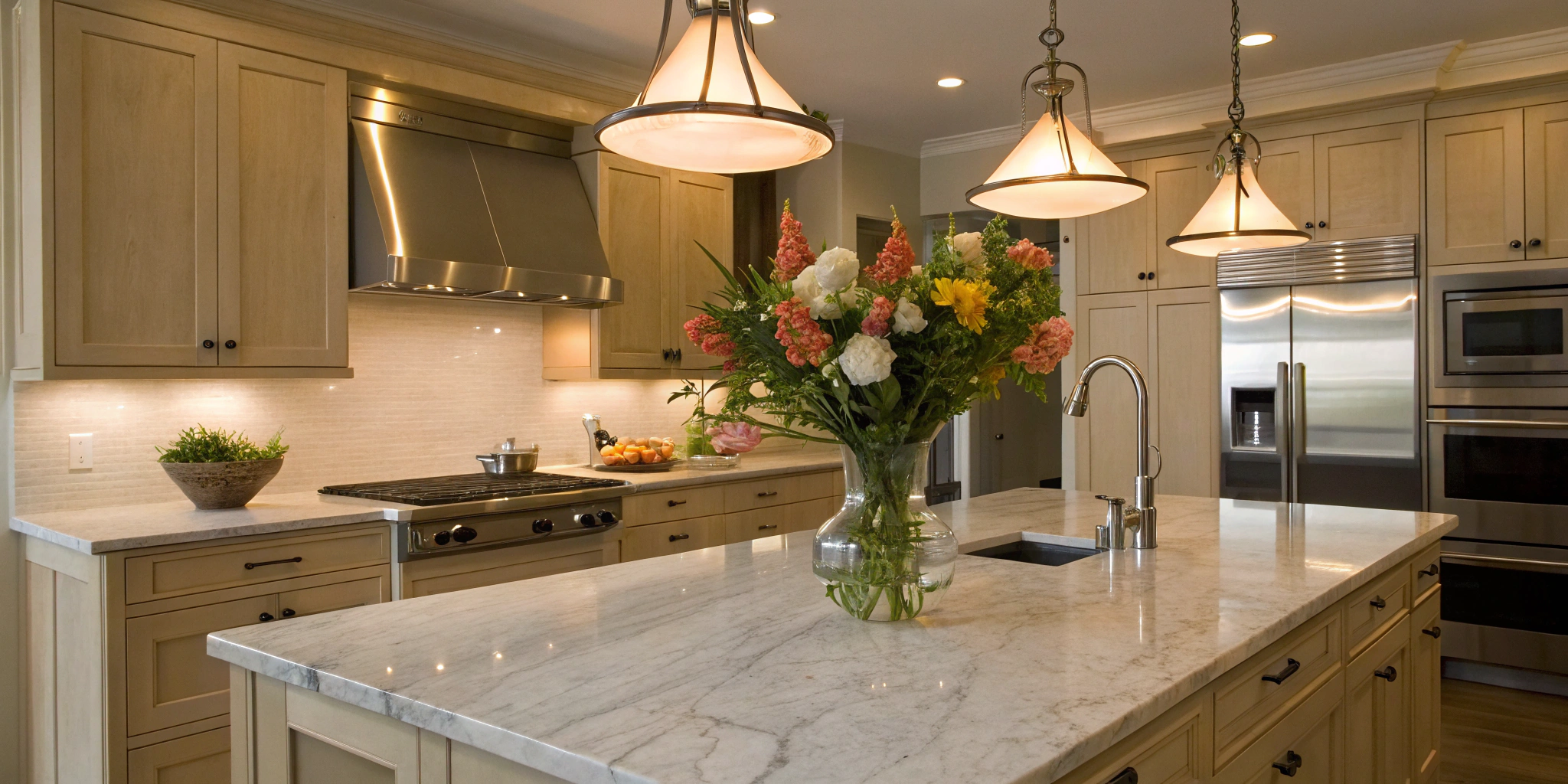
You know it’s time for a change. Maybe you’re tired of bumping into family members in a cramped layout, or you’re dreaming of a space that’s perfect for hosting friends. The idea of a kitchen remodel is thrilling, but the reality of managing one can feel daunting. How do you create a realistic budget? What should you expect during construction? How do you find a trustworthy partner to bring your vision to life? This guide answers those questions and more. We’re breaking down the entire process into clear, actionable steps to help you move from dream to reality with confidence and clarity.
Key Takeaways
- Plan Before You Pick a Paint Color: A successful remodel starts with a clear vision. Define your must-haves, set a realistic budget with a 10-15% contingency fund for surprises, and design a layout that supports how you actually live and cook.
- Vet Your Remodeling Partner: The right contractor is crucial for a smooth project. Do your research, check references and past projects, ask detailed questions during consultations, and ensure you have a clear contract before any work begins.
- Invest in Function and Durability: A beautiful kitchen that doesn’t work is just a pretty room. Prioritize durable countertops and flooring, smart storage solutions, and a layered lighting plan to create a space that is both stylish and practical for years to come.
Start Here: Planning Your Kitchen Remodel
A kitchen remodel is one of the most exciting and valuable projects you can take on for your home. It’s a chance to create a space that truly works for you and your family. But because it’s also one of the more complex home projects, careful planning is the key to a smooth process and a result you’ll love for years to come. Before you start picking out paint colors or dreaming of new appliances, taking the time to lay a solid foundation will save you from headaches and budget surprises down the road. Let’s walk through the first essential steps to get your project started on the right foot.
Define Your Goals and Priorities
First things first: why are you remodeling? Your answer will guide every decision you make. Are you craving more counter space for meal prep? Do you need a better layout for entertaining guests? Or is your current kitchen simply outdated and in need of a modern refresh? Grab a notebook and jot down everything you want to change.
Then, divide your list into two columns: “must-haves” and “nice-to-haves.” Your must-haves are the non-negotiables—the things that are driving the remodel. The nice-to-haves are the features you’d love if the budget and timeline allow. This simple exercise helps you focus on what matters most and gives you a clear starting point when discussing your vision with a home builder.
Set a Realistic Budget (and a Contingency Fund)
Let’s talk numbers. Setting a realistic budget is about more than just picking a number you’re comfortable with; it’s about understanding what things actually cost. Do some initial research to get a sense of the price range for materials, appliances, and labor in the Denver metro area. This will help you make informed decisions about where to allocate your funds.
Once you have a working budget, add a buffer. I can’t stress this enough: always have a contingency fund of at least 10-15% of your total budget set aside for unexpected hiccups. Remodels rarely go 100% as planned. You might uncover old plumbing that needs replacing or decide to splurge on a different countertop. This fund isn’t for “what ifs”—it’s for “whens,” and it will be your best friend for keeping stress levels low.
Create a Project Timeline
Patience is a virtue, especially during a remodel. A full kitchen renovation isn’t a weekend project. Most take a little over a month, but the timeline can stretch depending on the scope of your project. Are you just refacing cabinets, or are you tearing down walls and reconfiguring the entire space? Factors like custom orders, permit approvals, and contractor availability will all influence your schedule.
Work with your contractor to create a realistic timeline that outlines each phase of the project, from demolition to the final walkthrough. Having a clear schedule helps you prepare for the disruption and know what to expect each week. You can get a feel for the quality and scope of different projects by looking through a contractor’s past work.
Design a Functional Layout
A beautiful kitchen that doesn’t function well is just a pretty room. Your layout should be designed around how you actually live and cook. Think about the “kitchen work triangle”—the path between your sink, stove, and refrigerator. You want this path to be clear and efficient.
Consider the different kitchen layouts to find what works best for your home. An L-shaped kitchen is great for corner spaces, while a galley layout is efficient for smaller homes. If you love to host, an open-concept kitchen with an island might be perfect for you. The best layout is one that makes your daily routine easier and more enjoyable, so prioritize function right alongside style.
What to Expect: The Remodel Timeline
Once you have a plan and a budget, it’s time to get real about the timeline. A kitchen remodel is a marathon, not a sprint, and knowing what to expect can make all the difference in keeping your stress levels down. While every project is unique, most kitchen remodels take about six weeks to four months, and sometimes longer depending on the complexity. The key is understanding the phases of construction and preparing for life while your kitchen is a work in progress. A clear timeline helps you coordinate with your contractor, manage your family’s expectations, and see the light at the end of the tunnel—your beautiful, new kitchen.
What Affects Your Project Timeline?
Several key factors will shape your project’s schedule. The biggest one is the scope of your remodel. Are you simply refacing cabinets and updating countertops, or are you tearing down walls and reconfiguring the entire layout? The more complex the job, the longer it will take. Sourcing materials also plays a huge role. Custom cabinets or special-order tile will have longer lead times than in-stock items. In the Denver metro area, securing permits can also add time to the front end of your project. An experienced home builder will factor these variables into your schedule from the start, giving you a clear and realistic projection.
How to Plan for Delays
Even with the most meticulous planning, remodels rarely go 100% as planned. The best way to handle this is to expect the unexpected. We always recommend building a buffer into your timeline and your budget. Allocate an additional 10-15% of your total budget for a contingency fund to cover any surprises, like discovering old plumbing that needs updating once the walls are opened up. This isn’t a sign of poor planning; it’s smart preparation. Similarly, add a couple of extra weeks to your mental timeline. If you have a hard deadline, like hosting a holiday dinner, make sure you schedule a consultation and begin your project well in advance to avoid unnecessary stress.
Prep Your Home and Family for Construction
Living through a remodel requires a bit of creativity and a lot of patience. Before demolition day, clear out everything from your old kitchen—and we mean everything. Pack up dishes, food, and even wall decor. To make life easier, set up a temporary kitchen in another area of your home, like the dining room or basement. A microwave, a slow cooker, and your coffee maker can be lifesavers. If the weather is nice, your grill can become your best friend. It’s also important to prepare your family, including pets, for the noise and disruption. Sealing off the construction zone with plastic sheeting can help contain dust, but having a plan for daily life will make the entire process feel much smoother.
Common Kitchen Remodel Mistakes to Avoid
Even with the best intentions, it’s easy to make a misstep during a major home project. A kitchen remodel is a significant investment of your time and money, so knowing what not to do is just as important as knowing what to do. By sidestepping these common pitfalls, you can ensure your project runs smoothly and results in a kitchen you’ll love for years to come. A great contractor will guide you, but being an informed homeowner is your best defense against unnecessary stress and budget overruns.
Underestimating Costs and Time
It’s easy to get swept up in the excitement of picking out finishes and appliances, but it’s crucial to ground your project in a realistic budget and timeline from day one. Remodels rarely go 100% as planned. You might uncover old plumbing that needs updating or decide on a last-minute change. That’s why you should always have a buffer. A good rule of thumb is to allocate an additional 10-15% of your total budget for these unexpected hiccups. This contingency fund provides peace of mind and prevents financial strain when surprises pop up.
Skipping Permits and Planning
A beautiful kitchen starts with a solid plan, not just a Pinterest board. One of the biggest mistakes homeowners make is failing to create a clear, detailed plan before demolition begins. This plan goes beyond aesthetics; it maps out workflow, appliance placement, and electrical and plumbing needs. Skipping this step can lead to costly mistakes and delays. Furthermore, many structural, electrical, and plumbing changes require permits. Working with a professional home builder ensures all work is up to code and that the proper permits are secured, protecting your investment and your home’s safety.
Prioritizing Style Over Function
That gorgeous marble countertop you saw online might be stunning, but will it stand up to your family’s daily life? The most expensive errors often happen when appearance is prioritized over functionality. Think about how you actually use your kitchen. Do you need more prep space? Better storage? A layout that flows easily? A functional design, like the classic kitchen work triangle, makes cooking and gathering more enjoyable. A great design partner will help you find the perfect balance between a kitchen that looks amazing and one that truly works for your lifestyle.
Not Communicating Clearly with Your Contractor
Think of your contractor as your partner in this project. Effective and open communication is the key to a successful remodel and a positive experience. Before the project starts, establish how and when you’ll communicate—whether it’s through daily texts, weekly emails, or scheduled on-site meetings. Don’t be afraid to ask questions or voice concerns as they arise. A reputable contractor will welcome your input and provide regular updates. This collaborative approach ensures everyone is on the same page, minimizing misunderstandings and keeping the project on track from start to finish.
How to Choose the Right Contractor in the Denver Metro Area
Finding the right contractor is arguably the most important decision you’ll make in your kitchen remodel. This isn’t just about hiring someone to do a job; it’s about finding a partner you can trust to bring your vision to life, respect your home, and manage your investment wisely. A great contractor relationship is built on a foundation of trust, clear communication, and shared expectations. Taking the time to carefully vet your options will pay off in a smoother process and a final result you’ll love for years to come. For homeowners in the Denver metro area, this means finding a local expert who understands the specific needs of our homes and communities. The right team will not only deliver quality craftsmanship but also provide peace of mind from the initial consultation to the final walkthrough.
Research and Vet Local Contractors
Your search for the perfect contractor begins with solid research. Start by looking for local professionals who specialize in kitchen remodels. A great way to build your initial list is by exploring online platforms to read reviews and look at portfolios of their completed work. Pay close attention to what past clients say about their experience, not just the final product. To build lasting relationships, contractors must demonstrate honesty and a commitment to the homeowner’s long-term satisfaction. Look for a team that showcases their projects and reviews openly. This transparency is a great sign that they stand behind their work and value their clients’ feedback.
Key Questions to Ask in a Consultation
Once you have a shortlist, it’s time to start the conversation. The initial consultation is your opportunity to gauge a contractor’s professionalism, expertise, and communication style. Don’t be shy about asking detailed questions. A reputable contractor will be happy to provide clear answers. Be sure to ask for at least a few references from recent kitchen remodel projects. You can also ask about their team, their process for handling changes, and the projected timeline for a project like yours. This initial call is a great way to vet a potential remodeler and see if they are a good fit for your family and your home.
Review Contracts, Warranties, and Payments
Before you sign anything, carefully review all the paperwork. A professional contractor will provide a detailed contract that clearly outlines the scope of work, materials, a payment schedule, and an estimated timeline. This document is your best tool for ensuring everyone is on the same page. Make sure you verify that the contractor holds the proper licenses and insurance for work in the Denver metro area. This protects you from liability and ensures they are accountable. The contract should also include information on warranties for both labor and materials, giving you confidence in the longevity of your new kitchen.
Set Clear Communication Expectations
Clear and consistent communication is the bedrock of a successful remodeling project. Before the work begins, have an open conversation with your contractor about how you’ll stay in touch. Discuss your preferred communication channels—whether it’s daily texts, weekly emails, or scheduled phone calls—and establish a regular check-in schedule. Knowing who your primary point of contact is and how to reach them can prevent a lot of stress. By setting clear expectations from the start, you create a collaborative environment where issues can be addressed quickly and efficiently, keeping your project on track.
Key Design Decisions for Your New Kitchen
With the big-picture plan in place, it’s time to focus on the details that will define your kitchen’s look and feel. These are the choices you’ll interact with every day, from the countertops you prep meals on to the cabinets you open and close. Making smart decisions here is about balancing your personal style with long-term function and durability. A well-designed kitchen isn’t just beautiful—it’s a space that works seamlessly for your lifestyle.
We’ll walk through four key areas to consider: the surfaces underfoot and on your counters, the cleverness of your storage, the impact of your lighting, and the overall design aesthetic. Thinking through each of these elements will help you create a cohesive and practical space that you’ll love for years. The right combination of materials and features will ensure your new kitchen is a lasting investment in your home.
Choose Durable Countertops and Flooring
Your kitchen is one of the highest-traffic areas in your home, so your countertops and floors need to be tough enough to handle daily life. Choosing low-quality materials might save a little money upfront, but it often leads to premature wear, scratches, and stains. We always guide homeowners toward finishes and materials that are known for their durability. For countertops, materials like quartz and granite are popular for a reason—they resist heat, scratches, and stains while offering a high-end look. For flooring, consider options like engineered hardwood or luxury vinyl plank, which provide the classic look of wood with added resistance to moisture and wear. Investing in quality surfaces ensures your kitchen remains beautiful and functional for the long haul.
Plan for Smart Storage and Cabinetry
Great kitchen design is as much about what’s behind closed doors as what’s on display. Thoughtful storage solutions can completely transform how you use your space, keeping counters clear and essentials within easy reach. A recent Houzz study highlighted that most homeowners are upgrading their cabinets with features that add function. Think beyond standard shelves and consider incorporating clever additions like pull-out trash and recycling bins, vertical dividers for cookie sheets, or dedicated spice racks. These custom home building details make a huge difference in daily convenience, creating an organized and efficient workflow that reduces clutter and stress.
Incorporate Functional and Ambient Lighting
Lighting can make or break your kitchen’s atmosphere and usability. A single overhead fixture just won’t cut it. A great lighting plan includes multiple layers to create a space that’s both functional and inviting. Start with ambient lighting, like recessed cans or a central fixture, to provide overall illumination. Next, add task lighting directly over work areas. Under-cabinet LED strips are perfect for lighting up your countertops for chopping and prep work. Finally, consider accent lighting, such as pendant lights over an island or in-cabinet lighting, to add a touch of style and highlight architectural features. This layered approach ensures your kitchen is always well-lit, safe, and welcoming.
Select Timeless Designs for Resale Value
While it’s tempting to jump on the latest trends, choosing a timeless design will ensure you love your kitchen for years and appeal to future buyers if you decide to sell. Classic choices like Shaker-style cabinets, neutral color palettes, and simple subway tile backsplashes have enduring appeal. You can always introduce trendy colors and decor through elements that are easy to swap out, like paint, bar stools, or window treatments. A timeless foundation gives you flexibility and longevity. By focusing on quality craftsmanship and classic style, you create a space that not only serves your family well but also adds lasting value to your home. You can see examples of these enduring styles in our past projects.
Managing Your Project Like a Pro
Once the demolition starts, your role shifts from planner to project manager. Even with a trustworthy contractor leading the charge, staying involved is the best way to ensure the final result matches your vision. Being an active, informed partner in the process helps keep the project on track and on budget. It’s about knowing when to check in, how to handle surprises, and what to look for to ensure quality work every step of the way. Here’s how you can manage your kitchen remodel with confidence.
Coordinate Trades and Material Deliveries
A kitchen remodel is a carefully choreographed dance of plumbers, electricians, cabinet installers, and painters. A great general contractor will manage this complex schedule, but it’s smart for you to have a basic understanding of the timeline. Ask for a project schedule so you know who is coming and when. It’s also important to think about logistics, like how long it will take for custom cabinets or special-order tile to arrive. Delays in materials can throw off the entire schedule, so confirming lead times early is key. By staying informed, you can better plan your own life around the construction and anticipate the next steps in your kitchen’s transformation.
Handle Unexpected Issues and Changes
Remodels rarely go 100% as planned. When you open up walls, you might find old plumbing that needs updating or unexpected structural issues. This is why you should always have a buffer in your budget. Plan to set aside an additional 10-15% of your total budget for a contingency fund to cover these hiccups without derailing the project. If you decide to make a change mid-project, like upgrading your countertops, your contractor will issue a “change order.” This document officially records the change and any associated costs, ensuring everyone is on the same page. Clear communication with your home builder is essential for managing these moments smoothly.
Maintain Quality Control from Start to Finish
Overseeing quality doesn’t mean you need to micromanage your crew. It’s about staying engaged and maintaining open lines of communication. Schedule regular walk-throughs with your project manager to see the progress firsthand. This is your chance to ask questions and point out anything that doesn’t look right. Effective communication is crucial for a successful project. By setting clear expectations from the beginning and providing feedback along the way, you help your contractor deliver the results you want. Don’t be afraid to speak up—a good contractor wants you to be happy with the finished project.
Find Ways to Maximize Your Budget
Getting the most out of your investment is about making smart choices, not just cutting costs. A good rule of thumb is to allocate between 5% and 15% of your home’s value for a kitchen remodel. To make that budget work harder, focus your spending on high-impact, long-lasting features like durable countertops and quality cabinetry. You can save on elements that are easier to change later, such as paint colors, cabinet hardware, or light fixtures. Look for appliance package deals or shop during holiday sales. Discussing your budget priorities with your contractor can also reveal cost-saving solutions and material alternatives you may not have considered for your outdoor and indoor spaces.
Related Articles
- To Stay or To Go? Navigating Life During a Remodel with Faros Construction
- Home Builder – Faros Construction Services
Frequently Asked Questions
How much should I budget for a kitchen remodel in the Denver area? A good starting point is to plan on investing between 5% and 15% of your home’s total value. Where you land in that range depends entirely on the scope of your project. A simple refresh with new paint and countertops will be on the lower end, while a full gut renovation with a new layout and high-end appliances will be on the higher end. The most important step is to have an honest conversation with your contractor about your goals so they can help you build a realistic budget that matches your vision.
How long will I actually be without a usable kitchen during the remodel? While a full remodel can take several months from planning to completion, the time you’ll be without a functioning kitchen is usually shorter. The most disruptive phase—from demolition to the point where your new appliances are installed and working—typically lasts a few weeks. We always recommend setting up a temporary kitchen in another room with a microwave, coffee maker, and slow cooker to make this period much more manageable.
What’s the most important thing to do before I even call a contractor? Before you make a single call, get clear on your own priorities. The best thing you can do is create a list of “must-haves” versus “nice-to-haves.” Your must-haves are the core reasons you’re remodeling, like needing more counter space or better storage. The nice-to-haves are the dream features you’d include if the budget allows. Walking into a consultation with this clarity helps a contractor immediately understand your goals and give you more accurate advice.
How can I ensure my new kitchen design stays in style for years to come? The key to a timeless kitchen is to invest in classic styles for the most permanent and expensive elements. Think neutral-colored cabinets in a simple style, durable countertops, and a functional layout. You can bring in current trends and your own personality with things that are less costly and easier to update down the road, like cabinet hardware, light fixtures, paint colors, and bar stools.
What is a “change order” and why is it important? A change order is simply a written record of any change made to the original project plan after the contract is signed. Whether you decide to upgrade your faucet or run into an unexpected plumbing issue, the change order documents the new work and any associated costs. It’s a crucial tool for clear communication that ensures both you and your contractor are on the same page, preventing misunderstandings about the budget and timeline.