
We’ve all seen it: a once-beautiful paver patio that has become a lumpy, uneven surface with weeds growing through the cracks. What causes a project to fail like this? The answer almost always lies beneath the surface. An improperly installed or non-existent foundation is the number one reason pavers shift, sink, and separate over time. The solution and preventative measure is a properly constructed paver base. This compacted layer of aggregate material is the unsung hero of every successful hardscape project. It provides the unshakeable support and essential drainage needed to keep your patio or walkway level and beautiful for years to come.
Key Takeaways
- Focus on the Foundation First: The secret to a long-lasting paver surface isn’t the pavers themselves, but the compacted base underneath. This unseen layer provides the crucial stability and drainage needed to prevent shifting, sinking, and costly future repairs.
- Calculate Base Depth Based on Use: A one-size-fits-all approach doesn’t work. Use a 4-6 inch base for standard foot traffic on patios and walkways, and a much deeper 8-12 inch base for driveways to ensure it can support vehicle loads without failing.
- Compaction is Non-Negotiable: The most common point of failure is an improperly compacted base. Each layer of aggregate must be thoroughly compacted to create a dense, stable foundation that prevents settling and keeps your surface level for years.
What Is Paver Base and Why Is It So Important?
When you picture a beautiful new patio or walkway, you’re probably thinking about the color and pattern of the pavers. But the real secret to a stunning and long-lasting surface lies hidden underneath. The paver base is the unsung hero of your project. It’s the foundation that ensures your investment looks great and functions perfectly for years, preventing the headaches of shifting, sinking, or uneven stones. Without a solid base, even the most expensive pavers will eventually fail. Getting this foundational layer right is the most critical step in any paver installation.
What It Is and What It Does
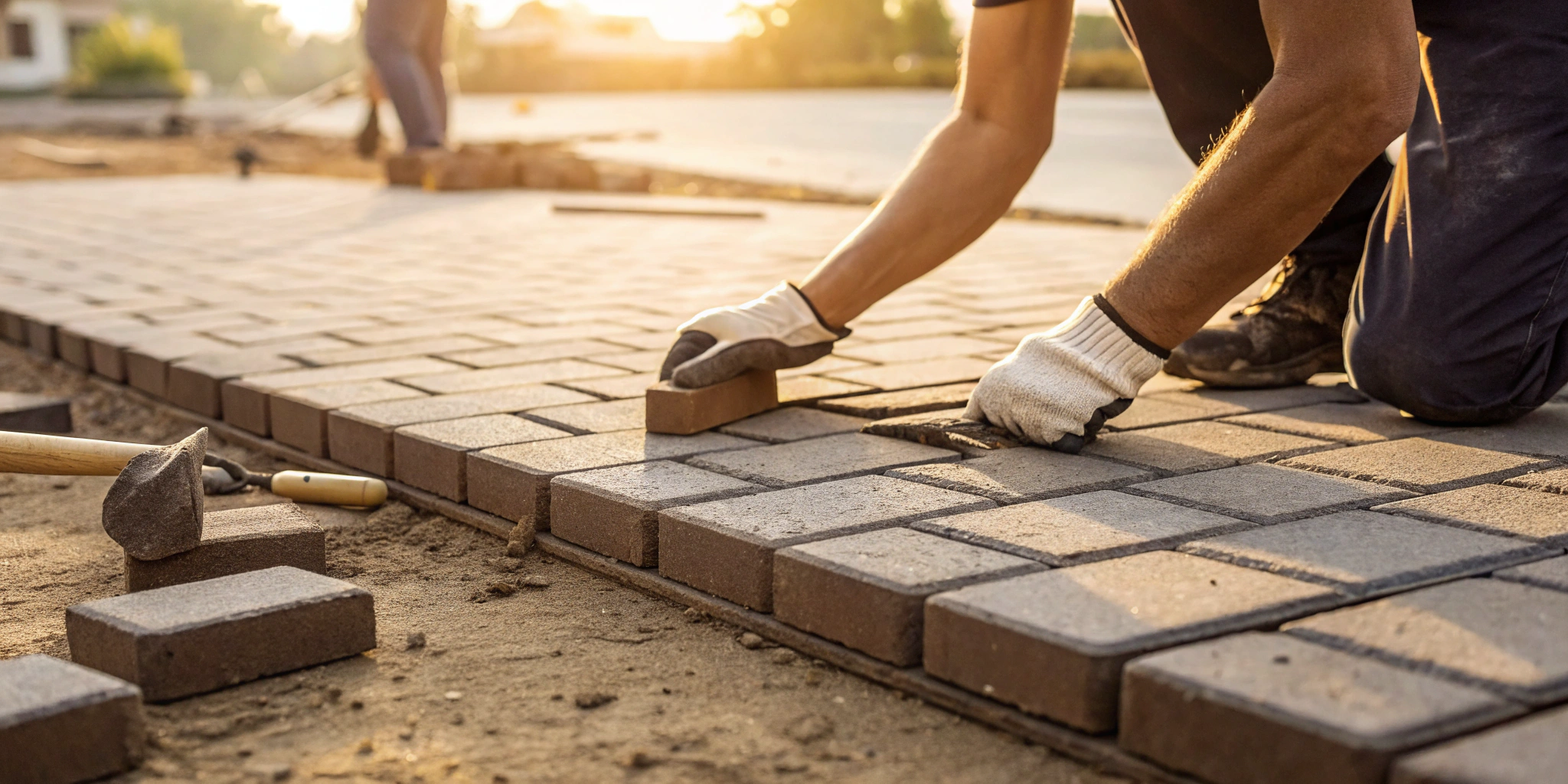
So, what exactly is a paver base? It’s a carefully compacted layer of materials—typically crushed stone and gravel—installed directly beneath the pavers. Think of it as the foundation for your hardscape. Its primary job is to create a stable, firm, and level surface that can support the weight of the pavers and any foot or vehicle traffic they’ll endure. A properly installed base also provides essential drainage, giving rainwater a path to flow away from the surface. This is a core principle of quality hardscape and landscape contracting and is non-negotiable for a lasting result.
How It Protects Your Pavers for Years to Come
A strong paver base is your best defense against future problems. Here in the Denver metro area, our freeze-thaw cycles can cause the ground to expand and contract, which can wreak havoc on improperly installed pavers. A deep, well-compacted base keeps everything locked in place, preventing pavers from shifting, sinking, or developing unsightly gaps. It also ensures proper drainage, which is crucial for preventing water from pooling underneath. This stops erosion and keeps issues like mold and mildew at bay. Investing in a quality base from the start is the smartest way to protect your beautiful outdoor living spaces and save yourself from expensive repairs down the road.
Exploring the Types of Paver Base
Choosing the right base is the most critical step for a paver project that lasts. The base provides the stable foundation your patio, walkway, or driveway needs to handle foot traffic, furniture, and Denver’s changing seasons without shifting or sinking. Different materials work best for different projects, so let’s walk through the most common options to find the perfect fit for your outdoor space.
Crushed Stone and Gravel
Crushed stone is the industry standard for a reason. This material, often a mix of small, angular stones and stone dust, creates an incredibly strong and stable foundation when compacted. It’s a popular choice because it drains water effectively—a must-have feature to prevent damage from our freeze-thaw cycles. A proper gravel base acts as the essential support system for your pavers, ensuring they stay level and secure for years. For most patios and walkways, a well-compacted crushed stone base is the most reliable and cost-effective way to go.
Sand
It’s a common misconception that sand can be used as the entire paver base, but it actually plays a different, very specific role. A thin, one-inch layer of paver sand is spread on top of the compacted gravel base. This layer doesn’t provide structural support; instead, it creates a smooth bed to make final leveling adjustments for each paver. The sand helps you set the stones perfectly and fills in tiny gaps, locking them together tightly. Think of it as the finishing touch that ensures a perfectly even surface, not the foundation itself.
Modern Paver Base Panels
If you’re looking for a more modern, lightweight alternative, paver base panels are an excellent option. These engineered panels, like those from Brock Paver Base, are made from durable polypropylene and replace the need for a deep layer of gravel. Because they require significantly less digging and material hauling, they can make installation much faster and easier. While they might have a higher upfront material cost, the savings in labor and excavation can make them a great choice for certain projects, especially for DIY enthusiasts or areas with difficult access.
Concrete for Heavy-Duty Support
When your project needs to support serious weight, like a driveway, you’ll need to bring in the heavy-duty support of concrete. Pavers for driveways require a much thicker base to handle the load of vehicles without cracking or shifting. In these cases, a reinforced concrete slab provides the unshakeable foundation needed. As expert concrete contractors, we know how important it is to engineer a base that can withstand both vehicle traffic and Colorado’s climate. A concrete base ensures your paver driveway remains stable and functional for the long haul.
Finding the Best Paver Base for Your Budget
Choosing the right paver base is a balancing act between your project’s demands and your budget. The good news is that you don’t have to spend a fortune to get a durable, long-lasting foundation for your patio or walkway. The key is to understand your options and match the material to the job it needs to do. A simple garden path won’t need the same heavy-duty support as a driveway that will hold multiple vehicles, and the costs will reflect that.
Think of the paver base as the unsung hero of your hardscape project. It’s the critical layer that provides stability, ensures proper drainage, and prevents your beautiful pavers from shifting, sinking, or cracking over time. Investing a little thought and a reasonable amount of your budget into the base will pay off for years to come by protecting the overall integrity and appearance of your outdoor space. We’ll walk through the most common materials, what to look for, and how to make a smart decision that gives you the best performance for your money.
Our Go-To Recommendations
For most residential projects here in the Denver area, our go-to recommendation is a base made of crushed stone or gravel. These materials are the industry standard for a reason. A paver base of compacted aggregate creates an incredibly strong and stable foundation that locks together tightly, distributing weight evenly and preventing movement. It also provides excellent drainage, which is crucial for handling moisture from rain and snowmelt. This combination of strength and permeability makes it a reliable and cost-effective choice for everything from patios to walkways, ensuring your project starts on solid ground.
Comparing Top-Rated Paver Base Systems
While traditional gravel and sand bases are tried-and-true, modern alternatives are also worth considering. One popular option is a system of interlocking panels, like Brock Paver Base Panels. These are lightweight, engineered panels made from polypropylene that replace the need for a thick layer of gravel. They can significantly cut down on excavation, hauling, and installation time, which can sometimes translate to labor savings. While the material cost per square foot might be higher than traditional aggregate, they are a great solution for DIY-ers or for projects where site access is tricky.
Key Features to Look For
No matter which material you choose, a few key features are non-negotiable for a successful paver base. First and foremost is drainage. Your base must allow water to filter through and away from the pavers to prevent pooling, frost heave, and erosion. Second is proper thickness. The depth of your base layer is critical for stability and depends on your soil type and the load it will bear. A typical base layer is between 6 and 12 inches deep, with walkways on the shallower end and driveways requiring a much deeper foundation to support vehicle weight.
Balancing Cost and Durability
When you’re planning your budget, it’s helpful to know that paver base materials are generally affordable. Crushed stone and gravel typically cost between $15 and $30 per cubic yard, while sand is a bit cheaper at $10 to $20 per cubic yard. While it might be tempting to opt for the least expensive material, durability should be your main focus. For a long-lasting patio or walkway, investing in a high-quality crushed stone base is almost always the right call. It provides superior compaction and drainage, ensuring your hardscape project remains stable and beautiful for years.
How Much Does Paver Base Cost?
Budgeting for your paver project is a lot easier when you know what to expect. The cost of a paver base depends on a few key things: the type of material you choose, the size of your project, and whether you decide to hire a professional or tackle it yourself. While material costs are fairly straightforward, remember that professional installation includes not just the materials but also the labor, equipment, and expertise needed to build a foundation that lasts. A properly installed base prevents sinking, shifting, and weed growth, protecting the beauty of your patio, walkway, or driveway. Skimping on the foundation can lead to costly repairs down the road, turning a dream project into a recurring headache. Let’s break down the numbers so you can plan your project with confidence and avoid any surprises along the way.
Breaking Down Material Costs
The raw materials for a paver base are generally sold by the cubic yard. Prices can fluctuate based on your supplier and location within the Denver metro area, but you can use these ranges as a solid starting point for your budget.
- Gravel and Crushed Stone: This is the most common base material and typically costs between $15 and $30 per cubic yard.
- Sand: Used for the thin bedding layer directly under the pavers, sand usually runs from $10 to $20 per cubic yard.
- Limestone: A premium option known for its excellent compaction, limestone can range from $20 to $40 per cubic yard.
For most backyard patios, you can expect the total material cost to land somewhere between $100 and $500.
Factoring in Labor and Installation
If you’re going the DIY route, your main costs will be the materials and any tool rentals. However, hiring a professional hardscape contractor means you’re paying for a guaranteed result. Labor costs cover the entire installation process, from excavation and grading to compaction and finishing touches. While it adds to the overall price, professional installation saves you time and physical effort. It also ensures the base is perfectly level and compacted, preventing future issues like sinking or shifting pavers. For a large or complex project like a driveway, professional help is almost always the best investment.
How to Calculate What You Need
Don’t worry, the math is simpler than it sounds. To figure out how much base material you need, just follow these steps.
- Measure Your Space: Get the length and width of your paver area in feet.
- Determine the Depth: Decide on the depth of your base in feet. A standard 6-inch base is 0.5 feet.
- Calculate Cubic Feet: Multiply the three numbers: Length (ft) x Width (ft) x Depth (ft) = Cubic Feet.
- Convert to Cubic Yards: Divide your cubic feet total by 27 (since there are 27 cubic feet in one cubic yard).
The final number is how many cubic yards of material you’ll need to order. It’s always a good idea to add about 10% extra to be safe.
Where to Buy Quality Materials in the Denver Area
Living in the Denver metro area means your paver base has to stand up to our unique climate, from intense sun to freeze-thaw cycles. Choosing the right materials isn’t just about price—it’s about durability. You need a base that can handle temperature swings and soil conditions without failing. While you can find materials at local landscape supply yards, it can be tough to know if you’re getting the best product for our environment. Working with an experienced local team ensures your project is built with materials proven to last in Colorado. If you want to be sure you’re using the right foundation for your project, schedule a consultation with us.
Common Paver Base Mistakes to Avoid
Building a beautiful paver patio or walkway is an exciting project, but the success of your investment lies in what you can’t see. The paver base is the unsung hero, and getting it right is crucial for a surface that lasts for decades. Even with the best materials, a few common missteps during installation can lead to shifting, sinking, and cracking down the road. As a hardscape and landscape contractor, we’ve seen firsthand how these errors can undermine an otherwise beautiful project. Let’s walk through the most frequent mistakes so you can make sure your paver project is built on a solid foundation from the very start.
Skipping Proper Site Prep
It’s tempting to jump straight to the exciting part, but neglecting proper site preparation is one of the biggest mistakes you can make. A solid paver installation starts with a well-prepared site. This means clearing the area of all grass, roots, and large rocks, and then excavating to the proper depth. Without this clean slate, you’re building on an unstable surface, which can cause your pavers to become uneven or shift over time. Think of it like building a house—you wouldn’t pour a foundation on soft, lumpy ground. Taking the time to prepare the site correctly ensures your paver base has a stable ground to rest on, which is the first step toward a lasting finish.
Forgetting Compaction and Drainage
Once your site is prepped, the next critical steps are compaction and planning for drainage. Insufficient base preparation, especially poor compaction, leaves the material loose and prone to settling. This is what causes those dreaded dips and low spots in a paver surface. Each layer of your base material needs to be tightly compacted to create a dense, stable foundation. Equally important is ensuring water has a place to go. Poor drainage can lead to water pooling beneath your pavers, which can erode the base material and cause major issues, especially with Denver’s freeze-thaw cycles. A well-designed outdoor living space always accounts for how water will move away from the structure.
Using the Wrong Base Thickness
When it comes to your paver base, depth matters. Laying a base that’s too shallow is a common shortcut that almost always leads to instability and premature failure. So, how deep should it be? For patios and walkways that see regular foot traffic, a base depth of four to six inches is the standard. For a driveway that needs to support the weight of vehicles, you’ll need a much more substantial base of eight to twelve inches. Sticking to these guidelines is essential for creating a durable surface that can handle its intended load without sinking or shifting. Skimping on base material might save a little money upfront, but it often leads to costly repairs later.
Choosing the Wrong Material for the Job
Not all gravel and sand are created equal. Using the wrong type of backfill material can seriously compromise your project’s stability and drainage. It’s vital to select materials that are appropriate for your specific site conditions and can stand up to the local climate. For example, some materials hold too much water, which is a major problem in areas with freeze-thaw cycles. The right aggregate will allow for proper drainage while compacting into a firm, interlocking base that won’t wash away. Understanding which materials work best is a key part of our comprehensive services and makes a huge difference in the longevity and performance of your paver installation.
How to Choose the Right Paver Base for Your Project
Choosing the right paver base isn’t just a technical detail—it’s the key to a beautiful, long-lasting patio, walkway, or driveway. The base provides the stable foundation your pavers need to stay level and secure through years of use and changing seasons. A great base prevents sinking, shifting, and cracking, ensuring your investment looks fantastic for years to come. Think of it as the unsung hero of your hardscape project. Getting this part right means you’re setting your project up for success from the ground up. Let’s walk through the key factors to consider so you can feel confident in your choice.
Considering Traffic and Drainage
First, think about how you’ll use the space. Will it be a quiet garden path or a driveway that needs to support vehicles? The amount of traffic your pavers will see directly impacts the required thickness of the base. For patios and walkways, a paver base of about 4-6 inches is usually sufficient. However, for a driveway that supports cars, you’ll need a much thicker base, around 8-12 inches deep, to handle the weight. Proper drainage is just as important. A good base allows water to drain away, which is crucial for preventing erosion and stopping water from pooling beneath the pavers. This simple step helps you avoid major headaches like shifting stones and mildew growth down the line.
Planning for Denver’s Climate
Here in the Denver metro area, we know our weather can be unpredictable. The freeze-thaw cycles we experience can be tough on outdoor projects. When water seeps into the ground, freezes, and expands, it can cause pavers to shift, heave, or even crack if the base isn’t prepared correctly. That’s why selecting materials that can withstand these conditions is so important. A properly installed, well-draining base made from the right materials will give that freezing water somewhere to go, protecting your pavers from damage and keeping your hardscape looking its best, no matter what the Colorado weather throws at it.
Deciding Between DIY and Professional Installation
A paver project can be a rewarding DIY endeavor, but it’s important to know what you’re getting into. A proper installation is a multi-step process that includes excavation, grading, sub-base compaction, laying geotextile fabric, preparing and compacting the base, and finally, laying the pavers. Each step is critical for a lasting result. If you’re short on time or don’t have access to equipment like a plate compactor, bringing in a professional hardscape and landscape contractor is a smart move. An experienced team can handle the heavy lifting and technical details, ensuring your project is built to last from the foundation up.
Matching the Base to Your Paver Project
Ultimately, the best paver base is the one that’s perfectly suited to your specific project. The main job of the base is to create a strong, stable foundation that acts as a cushion between the ground and the pavers. Using the wrong materials or not making the base thick enough can lead to instability and an uneven surface over time. For example, a simple sand base might work for a small, decorative walkway, but a robust crushed stone base is necessary for a patio that will host furniture and foot traffic. Taking the time to match the base to your project’s needs is the best way to ensure your beautiful new outdoor space stands the test of time.
Related Articles
- Hardscape and Landscape Contractor – Faros Construction Services
- Concrete Contractor – Faros Construction Services
- How to De-ice New Concrete Properly Without Harming It – Faros Construction Services
- Understanding the Pre-Construction Agreement (PCA): Your Project’s Essential First Step – Faros Construction Services
Frequently Asked Questions
How deep should my paver base be for a patio versus a driveway? The depth of your paver base is determined by what it needs to support. For a standard patio or walkway that will only see foot traffic, a base of four to six inches is perfectly adequate. However, for a driveway that needs to handle the weight of vehicles, you need a much more substantial foundation of eight to twelve inches. This extra depth is essential to distribute the heavy load and prevent the pavers from sinking or shifting under pressure.
Can I just use sand for the entire base to save some money? This is a common misconception that can lead to a lot of problems. Sand does not have the structural strength to serve as a foundation. Its real job is to act as a thin, one-inch “bedding layer” on top of the compacted gravel base, which allows for the final, precise leveling of each paver. Using only sand for your base will result in a weak foundation that will quickly sink and become uneven.
Why is a good base especially important for the Denver climate? Our weather in the Denver area involves a frequent freeze-thaw cycle, which can be very hard on hardscapes. When moisture in the ground freezes, it expands and can push pavers upward, a process called frost heave. A properly installed, well-draining base made of crushed stone gives that water a place to go, preventing it from getting trapped directly beneath your pavers. This protects your investment from shifting and damage through the seasons.
What’s the most common mistake you see with paver base installation? The most frequent and damaging mistake is improper compaction. Simply dumping gravel into the excavated area isn’t enough. Each layer of the base material must be mechanically compacted until it is dense and solid. Skipping this step or not doing it thoroughly enough leaves air pockets in the base, which will eventually settle and cause your pavers to sink, creating an uneven and unsafe surface.
Are the newer paver base panels a good substitute for traditional gravel? Paver base panels can be a great solution for certain projects, especially for DIY installations or in areas with limited access for heavy equipment. They are lightweight and can significantly reduce the amount of digging required. However, for projects that need to support heavy loads, like a driveway, a traditional, deeply compacted crushed stone base remains the most reliable and time-tested method for ensuring long-term stability and durability.