
The Denver climate is notoriously tough on outdoor surfaces. The intense sun, heavy snow, and constant freeze-thaw cycles can cause materials like concrete to crack and heave over time. This is where an interlocking paver system truly shines. Unlike a rigid slab, a paver surface is designed to be flexible. The small joints between each stone allow for tiny movements, so the entire surface can adapt to temperature swings without sustaining damage. Choosing the right material for a paver patio and driveway is essential for longevity in Colorado. We’ll explain why pavers are such a great fit for our climate and what a proper installation looks like.
Key Takeaways
- Prioritize the base preparation: A deep, compacted base and a proper slope for drainage are the most critical parts of a lasting paver project. This foundation is non-negotiable for preventing sinking and shifting in the Denver climate.
- Understand the advantage of individual units: Because pavers are individual pieces, they can flex with ground movement to prevent cracking. This also means if one paver gets damaged, you only need to replace that single piece, making upkeep much simpler than repairing a solid slab.
- Pair quality materials with expert installation: The best pavers won’t perform well if they aren’t installed correctly. Choosing a reputable product and working with a skilled team ensures your design is executed properly for a beautiful, durable finish.
Paver Patios and Driveways: What to Know
Choosing the right material for your patio or driveway is a big decision. While a classic concrete slab is a great option, pavers offer a unique blend of durability, style, and design flexibility. Pavers are individual units laid in a pattern, which means they can create stunning visual effects and are often easier to repair than a single large surface. If one paver gets damaged, you can replace just that single piece. This versatility makes them a fantastic choice for creating custom outdoor living spaces that truly reflect your personal style and stand up to the Denver weather. Let’s look at the different types of pavers you can choose from and what makes each one special.
Exploring Your Paver Options
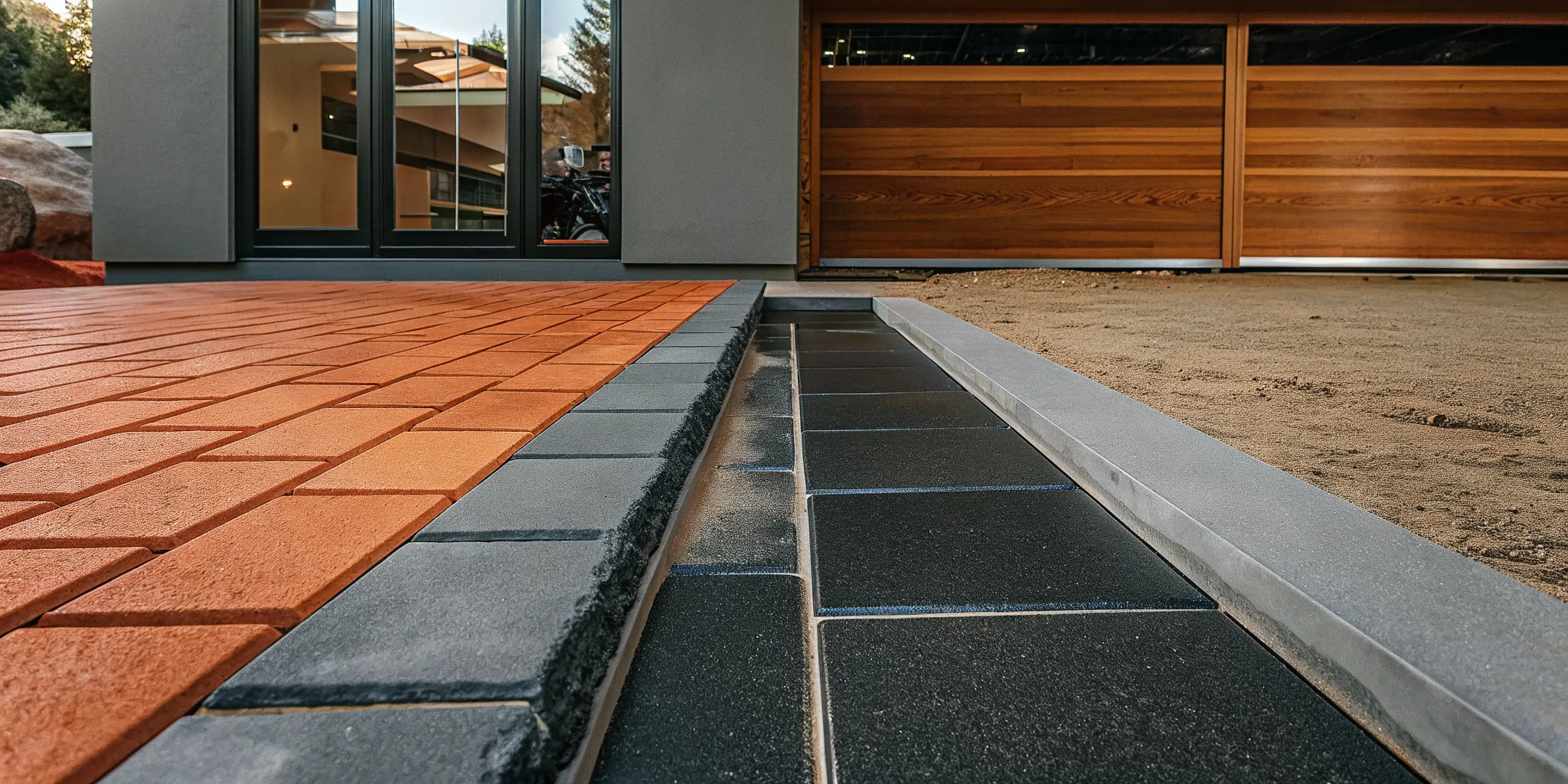
So, what exactly are pavers? Think of them as individual hardscape units, typically made from concrete, clay brick, natural stone, or porcelain. These pieces are laid together in an interlocking pattern over a prepared base to create a strong, stable surface for everything from walkways to driveways. Because they are individual units, they offer incredible design freedom. You can mix and match colors, shapes, and patterns to build a truly one-of-a-kind feature. The best part is that modern pavers are engineered to be incredibly durable, resistant to heat and water, and require very little maintenance, making them a perfect fit for any hardscape and landscape project.
A Guide to Popular Paver Materials
With so many choices, it helps to know the highlights of each material. Concrete pavers are a popular go-to because they are incredibly versatile and offer a fantastic value. For a timeless, classic look, brick pavers are an excellent choice; they age beautifully and are suitable for any climate. If you’re aiming for a more organic or high-end feel, natural stone pavers like cobblestone or flagstone deliver unique textures and a premium look. There are also porcelain pavers, which are great for pool decks and patios because they resist stains and absorb very little water. Each material brings its own character, allowing you to find the perfect match for your home’s aesthetic.
Pavers vs. Concrete: How Do They Compare?
When you’re planning a new patio, walkway, or driveway, one of the first big decisions is choosing the material. For many homeowners in the Denver metro area, it comes down to two popular choices: interlocking pavers or poured concrete. While both can create a beautiful, functional surface, they have some key differences in how they perform over time. Thinking about durability, maintenance, and overall value will help you decide which option is the right fit for your home and lifestyle.
A Look at Durability and Lifespan
When it comes to standing up to the elements, pavers have a distinct advantage. A properly installed paver system is incredibly resilient, often lasting much longer than a concrete slab. Because they are individual units interlocked together, pavers can shift slightly with the ground’s natural movement during Denver’s freeze-thaw cycles. This flexibility prevents the widespread cracking you often see in solid concrete. In fact, high-quality pavers can be two to three times stronger than poured concrete, making them an excellent choice for high-traffic areas like driveways. The key is a professional installation, which ensures your hardscape is built to last for decades.
Breaking Down the Maintenance Needs
One of the best things about pavers is how simple they are to maintain. Unlike a concrete slab that can be difficult and expensive to repair if it cracks or settles, pavers offer a simple solution. If a paver gets stained or damaged, you can lift it out and replace just that single piece. For general upkeep, a simple cleaning and resealing every three to five years is usually all that’s needed to keep your surface looking its best. This straightforward approach to care means you can spend more time enjoying your outdoor living spaces and less time worrying about upkeep.
Understanding Long-Term Value
A beautiful paver patio or driveway does more than just add function; it adds significant curb appeal and can increase your home’s overall value. The uniform shape and tight fit of modern pavers create a polished, high-end look that lasts. While the initial investment may differ from other materials, the longevity and low maintenance of pavers make them a smart choice for the long run. Getting the installation right the first time is crucial, as fixing mistakes down the road can be a major headache. When you see examples of expert work, you can really appreciate how a well-executed paver project adds lasting beauty and value to a property.
Planning Your Paver Project: 4 Key Considerations
A beautiful paver patio or driveway starts long before the first stone is laid. Thoughtful planning is the secret to creating a space that not only looks fantastic but also stands the test of time. When you take the time to consider the details upfront, you set your project up for success. From the unseen foundation below to the materials you’ll walk on every day, here are four key areas to focus on.
Why a Solid Foundation Is Non-Negotiable
Think of the base beneath your pavers as the foundation of a house. If it isn’t solid, nothing on top of it will be either. A proper base is crucial for preventing pavers from shifting, sinking, or becoming uneven over time. For a patio, this means installing a minimum of four inches of compacted base material. For a driveway that needs to support vehicles, that requirement jumps to at least nine inches. This step involves excavating the area and carefully compacting layers of gravel to create a stable, interlocking foundation. It’s a labor-intensive process that requires precision, but getting it right ensures your hardscape and landscape investment lasts for decades.
Getting Drainage and Slope Right
Water is the number one enemy of any hardscape project. One of the most common mistakes in paver installation is creating a perfectly flat surface. While it might look good initially, it gives rainwater and snowmelt nowhere to go. Proper installation requires a subtle, carefully calculated slope that directs water away from your home’s foundation and prevents it from pooling on the surface. Without correct drainage, water can seep into the base material, causing it to erode and leading to sunken pavers. In the Denver area, poor drainage can also create dangerous ice patches in the winter. An experienced team knows exactly how to grade the area for effective, discreet drainage.
Designing Your Layout and Choosing Materials
Now for the fun part: bringing your vision to life. Pavers offer incredible design flexibility. You can choose from a wide range of materials, including classic concrete, warm clay brick, and elegant natural stone, to match your home’s style. These individual units can be laid in countless patterns, from simple running bond to intricate herringbone or basketweave designs. Think about how you want to use the space. Will it be a cozy spot for a fire pit or a large area for entertaining? Your layout, color choices, and patterns will define the look and feel of your new outdoor living space, so take your time exploring the possibilities.
What to Know About Pavers in the Denver Climate
The Denver climate, with its freeze-thaw cycles, can be tough on outdoor surfaces. This is where pavers truly shine. Unlike a solid slab of concrete that can crack under pressure from temperature swings, a paver system is flexible. The joints between each stone allow for tiny movements, so the surface can adapt without sustaining damage. However, this advantage only works if the installation is done correctly. A deep, compacted base and properly installed joint sand are essential for performance in our climate. A precise, hands-on installation process ensures your paver surface can handle everything a Colorado winter throws at it.
Common Paver Installation Mistakes to Avoid
A beautiful paver patio or driveway can completely transform your outdoor space, but the success of the project hinges on getting the installation right. Even small shortcuts can lead to big problems down the road, like sinking spots, shifting stones, and drainage issues. Knowing what to watch out for is the first step toward ensuring your investment looks great and lasts for decades. Here are some of the most common installation mistakes we see and how to avoid them for a flawless, durable finish.
Don’t Skip Proper Base Preparation
Think of the base as the foundation of your paver project. If it isn’t solid, nothing on top of it will be either. The single biggest cause of sinking or shifting pavers is an improperly prepared base. This crucial step involves excavating the area to the correct depth, then laying and compacting layers of gravel and sand to create a stable, level surface. Skipping the compaction step or not using enough base material might save a little time upfront, but it will almost certainly lead to an uneven, unstable patio in the future. A well-built base is your best insurance against future headaches.
Why You Can’t Ignore Drainage
It might seem logical to make a patio perfectly flat, but this is a critical mistake. Without a slight slope, water has nowhere to go. It will pool on the surface, seep into the joints, and eventually erode the base material underneath. This is especially important in the Denver metro area, where freeze-thaw cycles can cause significant damage. A professional hardscape and landscape contractor will always install pavers with a gentle, carefully calculated grade. This slope, usually about a quarter-inch drop per foot, directs water away from your home’s foundation and prevents long-term damage.
Avoiding Compaction and Joint Sand Problems
Once the pavers are laid in their pattern, the job isn’t finished. The final steps are what lock everything together. First, the entire surface needs to be compacted to set the pavers firmly into the sand bed and create a level plane. Skipping this allows the pavers to settle unevenly over time. Next, sand is swept into the joints. Using the right kind of joint sand, like polymeric sand, is key. It contains a binder that hardens when wet, creating a firm yet flexible joint that resists weeds and insect infestations while holding the pavers securely in place.
DIY vs. Professional Installation: Making the Call
Installing a paver patio can be a rewarding DIY project, but it’s also one of the easiest to get wrong if you aren’t familiar with the process. The work is physically demanding and requires specialized tools and a deep understanding of base preparation, grading, and compaction. Before you decide to tackle it yourself, honestly assess the scope of your project and your own skill level. For a simple, small walkway, you might be fine. But for larger, more complex projects like a driveway or multi-level patio, hiring a professional team ensures every detail is executed correctly for a beautiful, lasting result. If you’re unsure, it’s always a good idea to schedule a consultation to understand what your project involves.
How to Choose High-Quality Pavers
Selecting the right pavers is about more than just picking a color you like. The quality of the material and the reputation of the manufacturer play a huge role in how your patio or driveway will look and perform years from now. High-quality pavers are engineered to withstand Denver’s freeze-thaw cycles, resist fading from the sun, and handle daily wear and tear. Investing in a superior product from the start means you get a beautiful, durable surface that adds lasting value to your home without the headache of premature repairs or replacements. Think of it as choosing a strong foundation for your entire outdoor living space.
What to Look for in a Paver Manufacturer
When you’re comparing pavers, it’s helpful to look beyond the surface. A reputable manufacturer will be transparent about their product’s technical specifications. Key material traits to consider are compressive strength (how much weight it can bear), porosity (how much water it absorbs), and surface texture. These details determine a paver’s durability and suitability for our climate. Combined with proper installation techniques, like the right base depth and jointing, these factors ensure your hardscape drains effectively and is easy to maintain. A good manufacturer provides a product that is not only beautiful but also built for performance.
A Word on Product Lines and Warranties
A strong warranty is a good sign that a manufacturer stands behind its products. Look for established brands that offer a lifetime structural warranty, which protects your investment against defects in the material itself. For example, reputable manufacturers like Belgard provide this kind of assurance, giving you peace of mind that your pavers are made to last. Of course, a warranty is just one piece of the puzzle. Following the manufacturer’s recommendations for seasonal maintenance will help keep your hardscape installation looking its best and ensure its integrity for years to come.
Finding a Skilled Team for Your Installation
Even the highest-quality pavers will fail if they aren’t installed correctly. Proper installation is a hands-on process that requires skill and precision. It all begins with preparing the area, which involves excavating the ground and laying a compacted gravel base. This step is absolutely essential for creating a stable and long-lasting patio or driveway that won’t shift or settle over time. A professional team understands the nuances of creating the right slope for drainage and ensuring every paver is set perfectly. This craftsmanship is what turns a good material into a great outdoor living space.
Keeping Your Pavers Looking Great for Years
Your new paver patio or driveway is a beautiful addition to your home, and with a little care, it will stay that way for a long time. Paver maintenance isn’t complicated or time-consuming. It’s mostly about staying on top of small tasks to prevent bigger issues down the road. By following a simple routine, you can protect your investment and ensure your outdoor space remains a source of pride and enjoyment. From routine cleaning to seasonal prep, these steps will keep your pavers looking as good as the day they were installed.
Your Guide to Cleaning and Sealing
Keeping your pavers clean is the first step to long-term beauty. A simple sweep to remove leaves and debris goes a long way. For deeper cleaning, use a gentle, pH-neutral cleaner designed for pavers to tackle dirt and stains without damaging the stone. A good rule of thumb is to give your pavers a thorough cleaning and resealing every three to five years. Sealing protects the pavers from stains, UV rays, and moisture, which is especially important in the Denver area. It also helps lock the joint sand in place and can even enhance the color of your pavers, keeping them vibrant.
How to Handle Joint Sand and Prevent Weeds
The sand between your pavers, called joint sand, is crucial for keeping them locked together. Over time, weather can wash some of it away. You’ll want to inspect the joints annually and sweep in new sand to fill any gaps. This simple step keeps the pavers stable and prevents them from shifting. It also helps with weed control. Weeds love to sprout in the gaps between pavers, so keeping the joints full of sand gives them nowhere to grow. For extra protection, you can apply a granular weed preventative to the joints as part of your regular maintenance routine.
Seasonal Paver Care for Denver Homeowners
Living in the Denver metro area means preparing your outdoor spaces for all four seasons. In the fall, make sure to clear away leaves and debris before the first snow. This prevents staining and keeps the surface from getting slippery. During winter, use a plastic shovel to clear snow, as metal can scratch or chip your pavers. Avoid using harsh de-icing salts, which can damage the paver surface and the environment. Instead, opt for sand to add traction. Taking these seasonal steps ensures your hardscape is ready to handle whatever Colorado weather brings.
When to Call for Professional Maintenance
While most paver care is straightforward, some situations are best left to the pros. If you notice pavers that are sinking, heaving, or have wide, persistent gaps, it could point to a problem with the base foundation. Stubborn stains from oil or rust might also require professional-grade cleaners and equipment. If you’re dealing with widespread issues or just want an expert eye to ensure everything is in top shape, don’t hesitate to reach out. A professional can diagnose underlying problems and perform repairs that keep your patio or driveway safe and beautiful. When you need a hand, our team is always here to help.
Related Articles
Frequently Asked Questions
How long can I expect a paver patio or driveway to last? A professionally installed paver system is built for the long haul. Because the individual stones can shift slightly with the ground, they resist the cracking that often affects solid concrete slabs. With proper installation and basic maintenance, a high-quality paver surface can easily last for 50 years or more, making it a lasting investment in your home.
Are pavers really a better choice for Denver’s freeze-thaw weather? Yes, they are exceptionally well-suited for our climate. The joints between each paver give the entire surface the flexibility to expand and contract during temperature swings. This prevents the widespread cracking and heaving you often see with poured concrete. A proper installation with a deep, compacted base is essential to ensure the system can handle this movement year after year.
What is the single most important part of a paver installation? Without a doubt, it’s the base preparation. The strength and longevity of your entire patio or driveway depend on the unseen foundation beneath it. An insufficient or poorly compacted base is the number one reason for sinking pavers and an uneven surface. This step is labor-intensive and requires precision, which is why getting it done right by an experienced team is non-negotiable.
How much upkeep is actually involved with pavers? Paver maintenance is surprisingly straightforward. The most important tasks are keeping the surface clean and resealing it every three to five years to protect it from stains and weather. You’ll also want to check the sand in the joints annually and sweep in more as needed to keep the pavers locked in place and prevent weeds. It’s a simple routine that keeps your space looking great.
Can you install pavers directly over an old concrete patio? While it might seem like a convenient shortcut, installing pavers over an existing concrete slab is generally not recommended. If the concrete underneath cracks or shifts, it will transfer that movement directly to the pavers on top, creating an unstable surface. The best and most reliable method is to remove the old slab and build a proper, compacted gravel base from scratch for a beautiful and durable result.