
Starting a major home project in Denver feels like inviting controlled chaos into your living room. Dust blankets every surface while heavy machinery rattles your windows throughout the workday. Taking the right steps before the crew arrives makes the difference between a stressful disruption and a smooth transformation. That is why Faros Construction Services offers a free consultation to help homeowners like you plan ahead. Call (720) 594-5604 today to discuss your project and get expert advice on preparing your home for construction.
Smart steps to prepare your home for construction include planning for dust, clearing paths for workers, and setting up short-term living zones. Planning ahead stops slow-downs and keeps your family safe from the stress of a big project. In the Denver Metro Area, you should move all breakable items and seal vents to stop the spread of fine dust. It is also key to talk with your neighbors about noise and parking before any work starts.
Success starts long before the first tool arrives at your door. You can solve many problems by looking at the details with your builder. To set your project up for success, start with a pre-construction walkthrough and clear communication.
How To Prepare Your Home For Construction: Start With a Pre-Construction Walkthrough
The best way to prepare your home for construction is to start with a site walkthrough. This meeting helps you and your contractor agree on every detail before work begins. At Faros Construction Services, we use this time to talk about the daily schedule and site access. We want to make sure you know what to expect when our crews arrive in the Denver Metro Area.
A pre-construction walkthrough is the single most effective step you can take to prepare your home for construction. It aligns everyone on the timeline, site access, and daily expectations. Use this meeting to ask about parking, dust protection, crew hours, and how your family can stay safe during the build.
Understand the Project Scope
A walkthrough lets you see the project through the eyes of a builder. You will walk through the site with our owner, Ricardo Alfaro. He brings 30 years of experience to every job. We check the layout and look for any issues that might change the timeline. This hands-on style is part of our family-owned commitment to quality. You can learn more about our values on our about page.
Clear talk during this phase prevents many common delays. We discuss where we will park and how we will handle trash. Knowing these details helps you plan your day and keep your family safe. Proper planning is a big part of being a professional home builder. It ensures that the project moves forward without any surprise stops.
Follow a Proven Process
We use a six-step process to keep your project on track. This path starts with a talk and moves through design and permits. During the build, the owner stays involved to ensure high standards. This level of care is why many people avoid the risks of the lowest bid. We focus on building a result that lasts for many years.
Our process ends with a final walkthrough and a warranty to protect your home. Following these steps helps manage the project from start to finish. You should also check local rules for your area. For example, the Denver Community Planning and Development office provides guides on building codes. Following these rules is needed for a safe and legal project.
Set Clear Expectations
Good projects rely on a shared plan for daily work. Talk with your contractor about what time work starts and ends each day. Ask how they will protect your floors and walls from dust. Getting these answers early reduces stress for everyone in the house. We believe that honest talk is the best way to build a strong bond.
You should also decide on the best way to stay in touch. Some people like daily emails, while others prefer a quick phone call. We make it easy to get updates because we know your time is valuable. Clear talk helps us meet your goals and deliver a home you love. It is the first step toward a great build in any neighborhood.
Protect Your Belongings and Living Spaces
Dust and debris are common parts of any home project in the Denver Metro Area. If you do not plan ahead, fine bits can spread through your entire house. Protecting your items before the crew arrives helps keep your home clean and safe. This step is vital to prepare your home for construction and reduce stress during the build.
Protecting your belongings before construction starts saves hours of cleaning later. Use plastic sheeting to seal off work zones, remove fragile items from shared walls, cover HVAC vents with tape. And create a clean zone where your family can relax away from noise and dust.
Control Dust and Debris
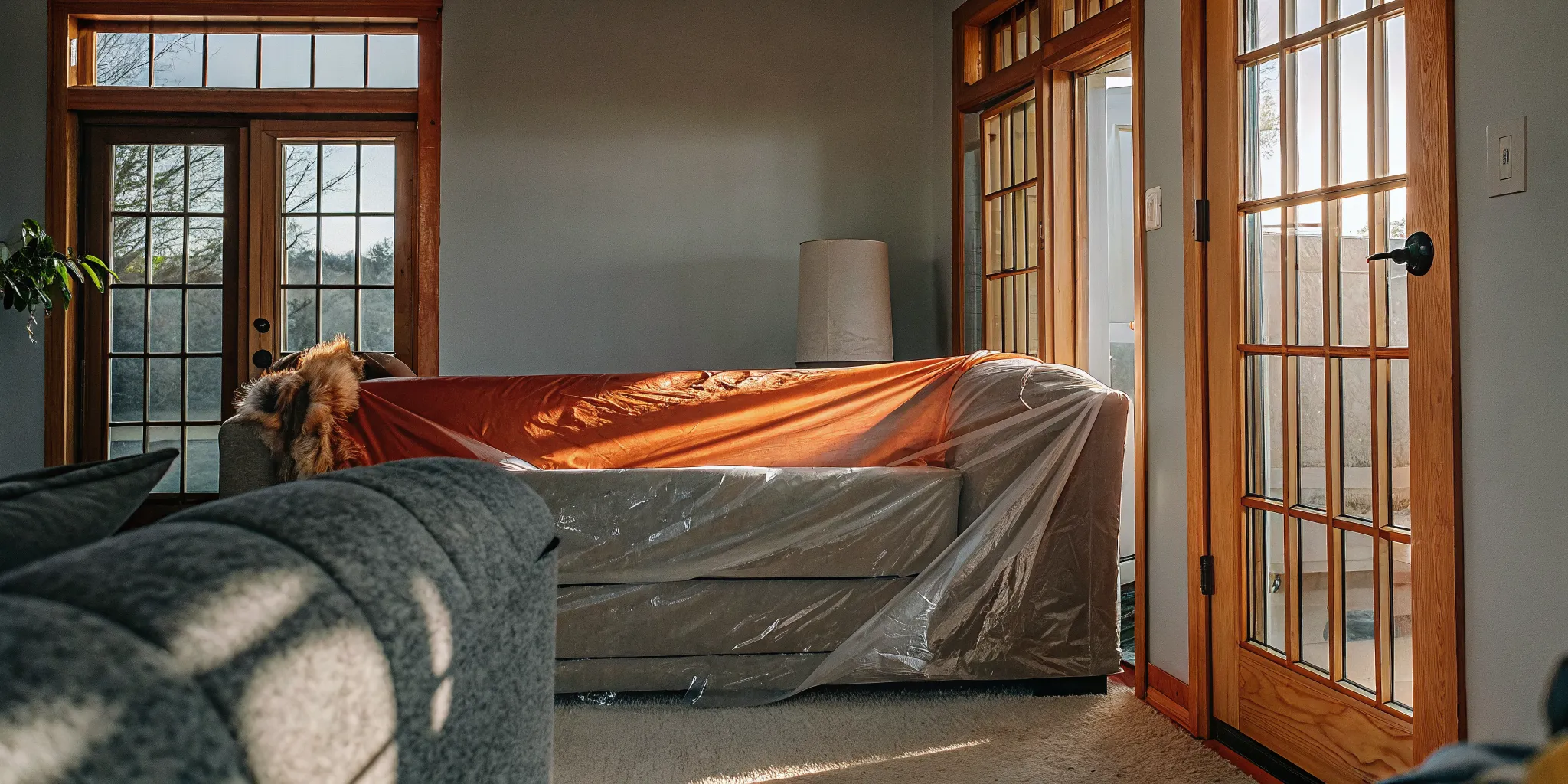
Fine dust from sanding or drywall work can travel into every room. You should use plastic sheets and tape to seal off the work zone. Some people use zippered doors to make it easy to move in and out of the space. You should also cover your HVAC vents to stop dust from entering your duct system and spreading to other floors.
The Environmental Protection Agency (EPA) notes that proper dust control is a key safety step. It helps protect your air quality and keeps your family safe from loose bits. Taking these steps now saves you hours of deep cleaning later.
Clear Your Walls and Floors
Shaking from tools can cause items to fall or shift in nearby rooms. It is best to remove art, mirrors, and decor from shared walls before work starts. You should also clear the floors to create a path for workers. This helps prevent trips and keeps your carpets from getting stained or torn.
- Remove all small items: Pack away books, vases, and small decor from the rooms near the work zone. Store them in a safe place until the job is done.
- Clear the walls: Take down any hanging art or clocks. Shaking from heavy tools can move walls and cause items to drop.
- Cover large furniture: Use drop cloths or heavy plastic to wrap large pieces like sofas and dining tables. This keeps them free from wood dust and paint drips.
- Seal the vents: Turn off your air system and cover the vents with plastic and tape. This keeps dust out of your furnace and ducts.
- Set up a dust wall: Hang plastic sheets in doors to separate the work site from the rest of your house. This is a top way to prepare your home for construction and daily life.
- Protect your floors: Lay down thick paper or hard boards on the main paths. This stops mud and grit from scratching your hardwood or tile.
Create a Clean Zone
It is helpful to have one part of the house that stays clean and quiet. This zone gives your family a place to relax away from the noise. You can move your daily needs here so you do not have to enter the work area often. A well-planned zone makes the process much more easy for everyone.
If you are planning a big change, you can view our guide on planning to learn more about the process. We work to keep your home as tidy as possible while we build. Having a clear plan for your items is the best way to get ready for the start date.
Manage Pets and Children During a Construction Project
A big project can be loud and messy. For kids and pets, these changes are often scary. You can help them feel safe with a few simple steps. Good planning keeps your home calm and your loved ones out of harm’s way while you prepare your home for construction.
Loud tools and unfamiliar workers stress most pets and children. Keep pets in a quiet room with white noise or board them on heavy demo days. Set firm no-go zones with baby gates for kids and coordinate with your contractor on the daily schedule. A clear family plan keeps everyone safe and calm during the build.
Protect your pets from noise and stress
Dogs and cats have sharp ears. The sound of power tools or heavy boots can cause a lot of fear. Watch for stress signs like hiding, pacing, or not eating. It is best to keep them in a safe room far from the work. Fill the room with their bed, toys, and fresh water. According to the National Institutes of Health, high noise levels can lead to fear in some animals. You can use white noise or soft music to drown out the bangs and drills from the crew.
On very loud days, like when the crew removes old walls, you might want to move your pets. Denver has many pet-friendly spots and daycare centers. Boarding your dog for a day or two can save them from a lot of stress. If you stay home, keep your pets on a leash or in a crate when doors are open. This prevents them from running out into the street or toward dangerous tools.
Keep children safe near the work zone
Kids are often curious about big trucks and tools. But a job site is not a place for play. Set firm rules about where they can go. You should use tall baby gates or locked doors to block off the work zone. Talk to your kids about the risks in plain words. Tell them that the area is for workers only and has things that can hurt them. A clear no-go line helps them know exactly where to stop.
Try to plan the hardest work around your child’s schedule. If your kid takes a nap or goes to school, ask your contractor to do the loud tasks then. Many home building projects have a clear timeline you can share. Use a visual map or a chart to show your kids what to expect each day. This helps them feel more in control of the changes in their home.
Coordinate with your contractor and crew
Good communication with your team is a must. At Faros Construction Services, we want to know about your family needs. Tell your contractor the ages of your kids and the names of your pets. This helps the crew stay alert when they move through your home. You should also ask for a daily start and end time so you can plan your morning and evening routines.
Pick one door as your safe entrance and exit path. Keep this path clear of all tools and dirt. If you live in a family-oriented part of the Denver Metro Area, you may also need to check with your HOA. Some rules limit where you can park or how long a crew can work. Knowing these rules ahead of time prevents delays and keeps your neighbors happy. Working with an expert team makes these steps easy and keeps your project on track.
How Do You Plan for Temporary Living During a Construction Project?
Living in your home during a large build can be a big challenge. You must plan for changes to your daily life before the crew arrives. Setting up a new routine helps your family stay calm and safe. When you prepare your home for construction, you reduce stress for each one.
This planning stage is a key part of your project. It helps you avoid things that can slow down the work. A clear plan keeps your home working while the team works on the new space.
Plan for temporary living by setting up a short-term kitchen away from the work zone. Mapping bathroom access for your family versus the crew, and sealing your living areas with plastic sheeting. Move clean clothes and linens into sealed bins to protect them from fine dust.
Set up a short-term kitchen
If your project touches the kitchen, you will need a place to eat and cook. Find a spot far from the work zone for a small food station. You can move your fridge, microwave, and coffee maker to this new area. A folding table works well as a simple counter for food prep.
Use paper plates and plastic cups to save time during the build. This means you will not have to wash dishes in a bathroom sink. Plan your meals around the work times to avoid noise and water shut-offs. Try using a slow cooker or an air fryer for simple meals that do not need a stove.
Map out bathroom and laundry access
Bathrooms are often a big hurdle in a home project. Talk to your team about which bathroom the crew will use during the day. It is best to keep one bathroom just for your family to use. If you only have one bathroom, you may need a toilet outside for the crew.
Always make sure there is a safe path to the shower and sink for your morning routine. Laundry is also hard to manage during a big build. Fine dust can ruin clean clothes if they are kept too close to the work. If your washer and dryer are near the work zone, you might need a local wash house.
Move your clean clothes to a sealed room or closet before the work starts. This keeps your outfits fresh and safe from grit. Plastic bins are also great for keeping linens and towels clean until the project ends.
Control dust in living zones
Construction dust moves fast and can get into every room. Use heavy plastic sheets to seal off the work zone from your main living space. You can also use tape to close gaps around door frames and vents. High-quality air filters can help pull fine dust out of the air each day.
The EPA provides safety guides for home repairs to help you keep your indoor air clean. Daily cleaning is also a must for your health and comfort. Sweep or vacuum the living zones every night to stop grit from building up on rugs and seats.
Keeping the work area away from your rest spots helps you sleep better. A tidy home helps you feel more at peace while the big changes happen. It also keeps your home safe for children and pets who live in the house.
What Permits and Building Codes Do You Need for Denver Construction?
Before you start any big job, you need to know the local rules. Most homeowners find this part of the work hard. Each city has its own laws for safety and building. You must get the right papers in your pre-construction planning phase before any tools hit the site. This keeps your home safe and ensures your work meets the law. Getting the right permits helps you avoid fines and protects your house.
Denver construction projects typically require permits from the local building department, which conducts inspections at key milestones like framing, electrical, and plumbing. HOA approval may add two to four weeks to your timeline. Work with your contractor to handle the permit process so you can focus on your family.
Building rules in the Denver Metro Area
The rules for building are not the same in every part of town. Denver, Aurora, and Lakewood each have their own codes. Some cities focus on how deep you dig for a base. Others care more about the wood you use for a deck to handle our cold winters. You must check with your local Denver building permit office to find the exact rules for your block. Small mistakes here can cause big delays or more costs later in the job.
City teams will visit your home at different times. They look at the frame, the pipes, and the wires. These checks make sure the work is safe for you and your family. If a check fails, the crew must fix the issue before moving to the next step. This process can feel slow, but it is for your own good. It keeps your project on track and follows all local safety laws.
The role of homeowners associations
If you live in an area with an HOA, you likely have more rules to follow. These groups have their own laws for how homes should look. They often want to see your plans before any work starts. An HOA sign-off can add 2 to 4 weeks to your project schedule. You must get their okay in writing before you pull a city permit. This ensures your project fits the look of the area and keeps your neighbors happy.
Missing this step can be a big problem. Some groups can stop your work or make you take it down if they did not say yes first. It is best to start this talk early in your prep. We suggest talking to your board as soon as your design is ready. This helps avoid problems once the crew is ready to start the job.
Expert help with the permit process
You do not have to handle the city office alone. Faros Construction uses a clear six-step process for every job. We take care of the papers for you from start to finish. This includes the first design, getting the permit, and the final checks. Our team talks to the city staff so you do not have to spend your day on the phone. This lets you focus on your family while we handle the red tape.
Having a builder handle this saves you time and stress. We know the local codes for the Denver Metro Area inside and out. We make sure every part of your project is up to code. This protects the value of your home and gives you peace of mind. Let us handle the city laws while you prepare your home for construction in other ways.
What to Expect Day-to-Day During Construction
A new home build project brings many changes to your home and life. Knowing the daily flow helps you prepare your home for construction. At Faros Construction Services, we use a six-step plan to keep work on track. Our owner-led team stays close to the job from the start to the end. This keeps quality high for every home in the Denver Metro Area.
Construction follows a predictable rhythm: loud demolition and prep, followed by rough-in work for wiring and plumbing, then finishes and installations. Most crews clean up nightly. Expect daily check-ins with your project lead and plan for the noisiest work to happen during the earliest phase.
Phases of Your Home Project
Each part of the job has its own rhythm and needs. The early days are often the most active with demo and prep. During the rough-in phase, crews install wires and pipes inside the walls. This part of the job can be noisy but shows the core of the project. Once the walls are closed, we start the setup of your new floors and lights. We plan each phase to limit the mess in your living space. We also check the sky, as Denver’s cold cycles can change how we pour concrete or finish outdoor work.
| Project Phase | Noise Level | Crew Size | Daily Disruption | Homeowner Tasks |
|---|---|---|---|---|
| Demolition and Prep | Very Loud | 2 to 4 People | High | Move all fragile items and clear the work zone. |
| Rough-In and Framing | Loud | 3 to 5 People | Medium | Confirm outlet spots and check structural work. |
| Finishes and Installations | Moderate | 1 to 3 People | Low | Pick final paint tones and stay out of wet zones. |
| Final Walkthrough and Closeout | Quiet | 1 to 2 People | Very Low | Test all new fixtures and sign off on the work. |
Daily Updates and Site Safety
Each day brings new tasks to your site. During the start, loud tools are very common. The CDC notes that tool noise can reach high levels on a work site. We use plastic walls to stop dust from moving to other rooms. Our crew cleans the space each night to keep it safe for your family. This helps prevent trips and keeps the air fresh in your home.
Our lead, Ricardo Alfaro, does direct check-ins at each step of the way. You get daily notes on what we did and what comes next. This talk helps us avoid errors and stay on your timeline. We want you to feel good about your new home build as it grows. Our goal is to give you a great space with as little stress as we can. We treat every job like it was for our own family.
Frequently Asked Questions
How long does it take to prepare a home for construction?
Most homeowners in the Denver Metro Area should set aside about one to two weeks for preparation. This time lets you clear out personal items and protect your floors. You should also talk to your family and pets about the coming changes. If you live in a neighborhood with a Homeowners Association, you may need two to four more weeks. This extra time helps you get the right approvals before the physical work begins on your home.
Do I need to move out of my house during a renovation?
You do not always need to move out, but it depends on your project. Small tasks usually let you stay in your home if you plan for some noise. Large projects that affect your only kitchen or bathroom might require you to find a new place to sleep. We suggest talking about your needs during a pre-construction walkthrough. This meeting helps you find the best plan for your family’s safety.
How do I protect my belongings from construction dust?
Construction dust moves fast, so you should take small items out of the work area. For large furniture, use thick plastic covers and painter’s tape to seal the edges. You can also ask your team to put up temporary walls to keep dust in one room. High-efficiency air filters can also help keep the rest of your home clean. These simple steps prevent damage to your favorite things while the crew builds your new space.
What should I tell my neighbors before a construction project starts?
It is best to tell your neighbors about the project at least one week before work starts. Let them know the date the crew will arrive and what hours they will work. Share if there will be noise or extra trucks on the street. Giving them a phone number for the project owner helps build trust. This easy step keeps everyone happy and helps the project move forward without any unexpected complaints from the people next door.
Do I need HOA approval for my residential construction project in Denver?
Yes, most big projects in the Denver Metro Area need a green light from your Homeowners Association. These groups have rules about colors, tools, and how loud the crew can be. Getting this permission can add two to four weeks to your total project time. It is smart to send in your plans early to avoid fines. Checking these rules first ensures your project stays on track and follows all local community standards.
Ready to start your home project in Denver?
Waiting too long to start your home project is a risk because you could miss the best weather in the Denver Metro Area. Booking your team now makes sure that your work stays on track so you can avoid the stress of messy and long delays later on. You will enjoy a smooth process with a clear and easy plan that keeps your home safe and your family happy from start to finish.
Take the first simple step today. You can get the expert help you need for your next home project right here in Denver. Call (720) 594-5604 to talk to a construction expert about your plans for your home today.