
A home addition is a major investment, and while the outcome is exciting, a few common missteps can turn the project into a stressful one. From budgets that spiral out of control to designs that look tacked-on, many potential pitfalls can be avoided with the right knowledge. Thinking ahead about permits, design integrity, and your construction partner will save you time and frustration. Many of these problems stem from overlooking the basic requirements for building a home addition from the very start. This guide is designed to help you sidestep those common mistakes, ensuring your project runs smoothly and results in a space you and your family will love for years to come.
Key Takeaways
- Lay a Strong Foundation with Planning: A successful addition starts long before construction. Solidify your vision, understand local Denver regulations, and establish a clear financial roadmap to prevent surprises and ensure your project aligns with your goals from day one.
- Partner with the Right Professionals: Your project’s outcome depends on your builder. Vet potential contractors by checking their license, insurance, and past work, then prioritize clear communication and a detailed contract to build a strong partnership based on trust.
- Plan for Life During Construction: Living through a renovation requires a strategy. Minimize disruption by planning your living arrangements, protecting your belongings, and establishing a communication rhythm with your contractor to maintain household harmony and keep the project on track.
Planning Your Home Addition: Where to Begin?
Deciding to expand your home is a huge step, and it’s easy to get swept up in the excitement of a new space. But before you start picking out paint colors, a little planning goes a long way toward ensuring your project runs smoothly and gives you the results you’re dreaming of. A home addition is a significant undertaking, much like building a new house from the ground up, and it requires careful thought from the very beginning. This isn’t just about adding square footage; it’s about enhancing your lifestyle and making your home work better for you and your family.
The initial planning phase is all about laying a strong foundation for the entire project. This is where you get clear on your vision, understand the realities of your property, and start turning abstract ideas into a concrete plan. Taking the time to think through these details now can save you from headaches and unexpected hurdles down the road. By focusing on your goals, gathering inspiration, and assessing your home’s current state, you can move forward with confidence. These first steps are essential for creating a space that not only meets your needs but also feels like a natural extension of your existing home. Let’s walk through where to begin.
Define Your Goals for the New Space
Before you do anything else, take some time to figure out exactly why you want a home addition. What will the new space be used for? Think about your current needs and what your family might need in the future. Are you creating a primary suite on the main floor, adding a home office, or building a spacious family room that opens up to the backyard? Making a list of must-haves versus nice-to-haves will help you focus your vision. This clarity is the single most important thing you can bring to your initial conversations with a home builder, as it guides every decision that follows.
Gather Design Inspiration
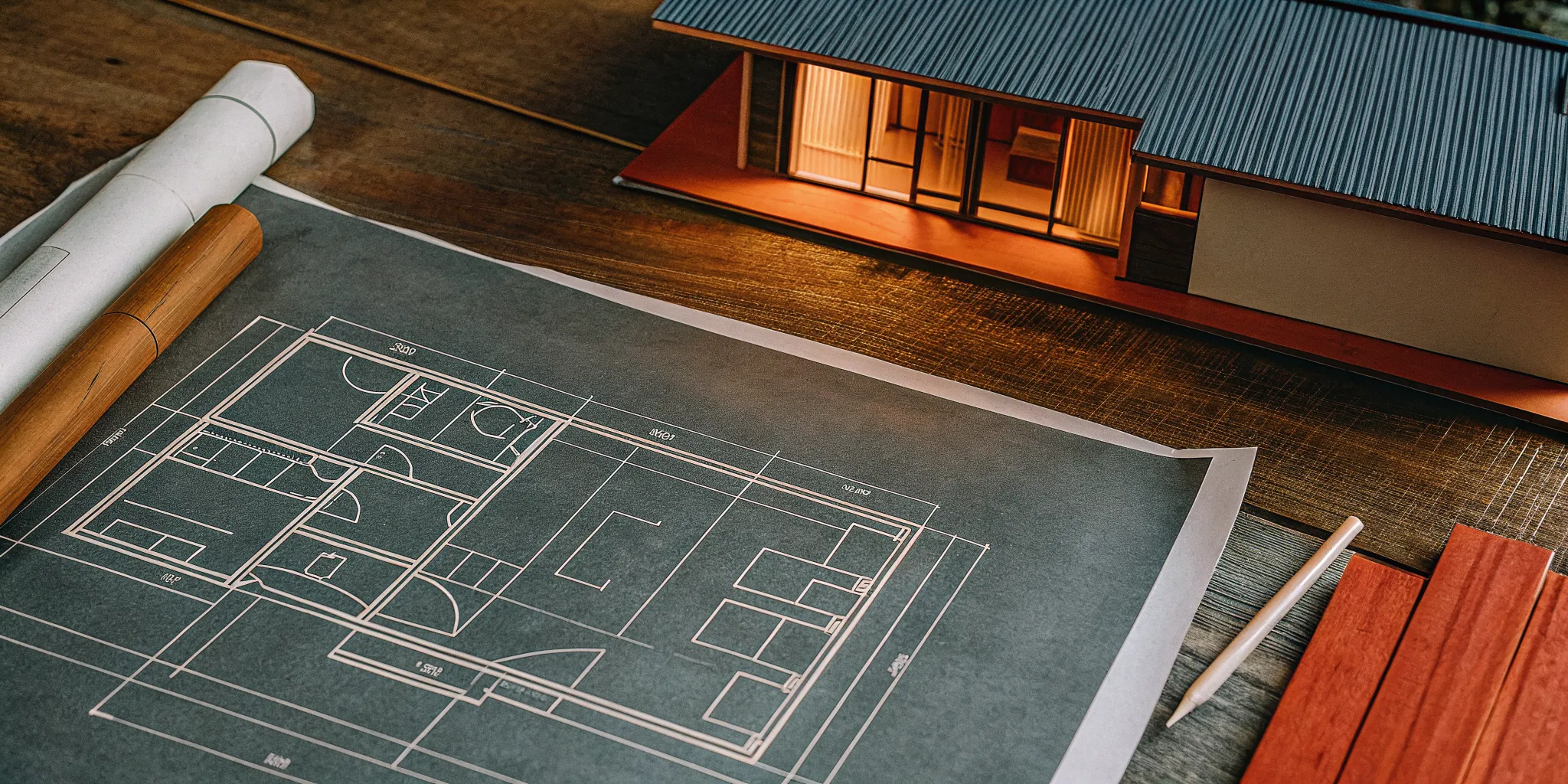
Once you know the purpose of your new space, it’s time for the fun part: gathering ideas. Look through magazines, create Pinterest boards, and drive through Denver neighborhoods to see what catches your eye. Pay attention to how other homes have integrated additions. When you’re ready, bringing in an expert contractor or architect early is a great move. They can help translate your vision into professional drawings, which are essential for getting a clear project estimate and securing permits. You can also see our past work to get ideas for your own home.
Assess Your Current Home’s Structure
An addition isn’t just tacked onto your house; it’s carefully woven into its very structure. That’s why a thorough assessment of your current home is critical. This includes understanding your property lines to know exactly how much room you have to build. Local zoning rules in the Denver metro area may also have setback requirements that limit how close you can build to your neighbor’s property. A professional contractor can evaluate your home’s foundation, load-bearing walls, and existing utility lines to determine the best way to connect the new space seamlessly. This step helps identify potential challenges before they become problems.
What Permits and Rules Do You Need to Follow?
Before a single wall goes up, it’s essential to understand the local rules and regulations. This part of the process isn’t just about paperwork; it’s about ensuring your new addition is safe, legal, and built to last. Handling permits and codes can feel like a lot, but it’s a standard part of any construction project. A great contractor will manage the heavy lifting, making sure every detail is compliant with Denver’s specific requirements. This protects your investment and gives you peace of mind knowing the job is done right from the very beginning. Think of it as laying a solid foundation of rules before you pour the concrete.
Understanding Denver’s Zoning Laws
Every neighborhood in the Denver metro area has zoning laws that dictate what you can build and where. These rules cover things like property lines and setbacks, which determine how far your addition must be from the edge of your property. Before you get too attached to a specific design, you or your contractor will need to learn about the local zoning laws to confirm your project is feasible. This step ensures your new space fits within the community’s guidelines and prevents any legal headaches down the road.
Key Building Codes and Safety Requirements
Building codes are in place for one primary reason: safety. These regulations set the standard for everything from electrical wiring to structural stability. Failing to follow them or skipping the permit process can lead to serious consequences, including fines or even being forced to tear down the new construction. That’s why it’s so important to work with a home builder who has a deep understanding of Denver’s specific codes. An experienced team ensures your addition is not only beautiful but also structurally sound and completely safe for your family.
The Permit Application Process
Once your plans are finalized and you’ve confirmed they meet all zoning and building codes, the next step is applying for permits. Your contractor will typically manage this entire process, from submitting the architectural drawings to communicating with the city’s building department. After the permits are approved, they must be clearly displayed on your property throughout the construction phase. This signals that your project is authorized and compliant. Having a professional team handle the paperwork allows you to focus on the exciting parts of your project, knowing all the official requirements are being met.
How to Create a Realistic Budget for Your Addition
Figuring out the financial side of a home addition can feel like the biggest hurdle, but a thoughtful budget is your best tool for a smooth project. It’s not just about the final number; it’s about creating a clear plan that accounts for every part of the build, from the foundation to the finishing touches. A realistic budget gives you confidence and control, ensuring your vision for a new space doesn’t come with unwanted financial surprises. By breaking it down into manageable parts, you can map out a financial path that aligns with your goals and prepares you for the entire construction process.
Estimate Material and Labor
When you start budgeting, it’s important to look at the complete picture, which includes both the materials for your addition and the skilled labor needed to put it all together. Nationally, the typical investment for a room addition can range from about $22,000 to over $81,000, with an average around $50,000. Of course, the final number for your project will depend on the size, complexity, and finishes you choose. The best way to get an accurate picture for your Denver home is to work with a professional home builder who can provide a detailed breakdown of all the anticipated expenses.
Plan for Unexpected Issues
Even with the most careful planning, construction projects can have surprises. You might uncover a hidden plumbing issue or face a sudden material shortage. That’s why it’s smart to build a contingency fund into your budget from the very beginning. Think of it as a financial safety net. A good rule of thumb is to set aside an extra 10% to 20% of your total project budget for these unforeseen circumstances. This buffer ensures that a minor hiccup doesn’t derail your project or force you to make compromises on your vision later on. It’s a proactive step that provides peace of mind.
Avoid Common Budgeting Mistakes
One of the easiest ways to get off track is by guessing what things will require financially. Instead of estimating, get detailed, written proposals from qualified contractors. A clear contract is your best friend in this process. It should outline the full scope of work, the specific materials being used, a payment schedule, and a project timeline. This document prevents misunderstandings and ensures everyone is on the same page. A well-defined agreement is the foundation of a successful project, so take the time to schedule a consultation and get a clear, comprehensive plan in writing.
How to Design an Addition That Blends with Your Home
A successful home addition feels like it was always there. The goal is to create a new space that enhances your home’s function and beauty without looking like an afterthought. Achieving this seamless integration requires careful planning, from the exterior materials down to the foundation. When your addition complements your home’s original character, it not only gives you the extra room you need but also protects your property’s overall value. A well-designed addition flows naturally from the existing structure, creating a cohesive and inviting environment.
Match Your Home’s Architectural Style
The most obvious sign of a tacked-on addition is a clashing architectural style. To make your new space feel like a natural extension of your home, it’s essential to match the existing design elements. This means paying close attention to details like the roof pitch, window styles, and exterior materials. For example, if your home has brick siding and double-hung windows, your addition should too. A cohesive look ensures the addition enhances your home’s curb appeal rather than detracting from it. You can see how we create these seamless transitions in our past projects.
Plan for a Functional Layout and Natural Light
A beautiful exterior is only half the battle. Inside, the new space should connect smoothly with your existing layout. Think about how you’ll move between the old and new rooms. The transition should feel effortless, not like you’re walking through a narrow, dark hallway. A key part of creating this flow is incorporating plenty of natural light. Strategically placed windows and doors can make the addition feel bright, open, and welcoming. This is especially important when connecting indoor areas to outdoor living spaces, as it helps blur the lines between inside and out.
Integrate the Foundation and Structure
A seamless design goes deeper than what you can see. The new foundation must be properly integrated with your home’s original foundation to prevent future problems. If this connection isn’t handled correctly, it can lead to issues like uneven floors, shifting, and cracks in the drywall. A professional concrete contractor will ensure the new foundation is level with the old one and that the entire structure is sound. This foundational work is critical for the long-term stability and safety of your home, providing the solid base your beautiful new addition deserves.
Getting the Foundation and Structure Right
A beautiful home addition is only as good as the bones that hold it up. Before you even think about paint colors or flooring, it’s essential to focus on the foundation and structural elements that will make your new space safe, stable, and seamlessly connected to your existing home. Getting this part right from the start prevents major headaches down the road and ensures your investment stands the test of time. It involves careful analysis of your property, understanding your home’s existing framework, and planning for the systems that will bring your new space to life.
Why Soil Testing Is Important
Think of your home addition as a brand-new structure that needs to perfectly shake hands with your current home. The foundation is where that introduction happens. Soil testing is a critical first step because it tells us what we’re building on. The ground conditions in the Denver metro area can vary, and understanding the soil’s composition and stability helps us design a foundation that can properly support the new weight. This prevents future issues like settling, uneven floors, or cracks in the drywall. A solid foundation, designed for your specific property, is the key to a durable and long-lasting addition that feels like it was always there.
Assess Your Home’s Load-Bearing Walls
Before knocking down any walls, you need to know which ones are holding your house up. These are the load-bearing walls, and they are essential to your home’s structural integrity. Removing or altering one without the right support can have serious consequences. An experienced home builder will assess your home’s current structure to determine how to safely open up spaces and connect the addition. This structural plan is a key part of the building permit process, ensuring everything is done to code. While your contractor handles the technical details, understanding the basics helps you participate in important design decisions.
Connect Utilities and Systems Seamlessly
Your new addition will need electricity, heating, cooling, and possibly plumbing. Integrating these systems isn’t an afterthought; it should be part of the initial design. Planning utility connections from the start ensures a smooth construction process and avoids costly delays or rework. Imagine realizing you need to run plumbing through a newly finished floor. A professional team coordinates with licensed electricians, plumbers, and HVAC technicians to ensure all systems are safely and efficiently tied into your home’s existing infrastructure. This careful planning makes your new space comfortable, functional, and fully integrated from day one.
Who Should You Hire for Your Home Addition?
Bringing a home addition to life is a team effort, and the success of your project depends heavily on the professionals you choose. Finding the right people might feel like a huge task, but it’s all about knowing what to look for. Think of it as building a partnership with experts who will help you expand your home thoughtfully and skillfully. With a solid team, you can feel confident that your new space will not only look great but will also be built to last, following all the necessary guidelines for the Denver metro area.
Build Your Project Team
Your project team will typically include a designer or architect and a general contractor. Working with qualified professionals helps ensure your addition fits seamlessly with your existing home and meets all local building codes. A designer helps translate your vision into a functional plan, while a general contractor manages the entire construction process, from breaking ground to the final touches. A great home builder often has established relationships with designers or can guide you on how to get started, making the process much smoother from day one.
How to Vet a Contractor
Once you have a design, it’s time to find the right contractor to build it. Start by looking for builders who have experience with projects similar to yours. Always check that they are properly licensed and insured in Colorado to protect yourself and your property. Take a look at their past work and read what other homeowners have to say about their experience. It’s a good idea to get quotes from a few different contractors, but remember that the lowest number isn’t always the best choice. Quality craftsmanship and reliable service are worth the investment.
Set Up Clear Communication and Contracts
Open communication and a detailed contract are the foundations of a successful project. Before any work begins, have a thorough conversation with your contractor about your expectations, the timeline, and the payment schedule. A simple agreement can lead to misunderstandings later on. Make sure your contract clearly outlines the full scope of work, the specific materials to be used, and a clear timeline for completion. This document protects both you and your builder, ensuring everyone is on the same page and helping to prevent any surprises along the way.
What’s the Timeline for a Home Addition?
A home addition is a major undertaking, and understanding the timeline is key to a smooth and successful project. It’s much more involved than a simple room makeover; it’s like building a miniature house attached to your own. This means coordinating many different skilled professionals, from foundation specialists and framers to electricians and plumbers, all while working around your existing home. The entire process, from initial sketches to the final coat of paint, can span several months. The exact duration depends on the project’s scale, the complexity of the design, permit approvals from your local municipality, and even the season. A simple bump-out will be faster than a two-story addition with a new bathroom.
Having a clear picture of the phases involved helps you plan accordingly and ensures you and your contractor are on the same page from day one. While the actual construction might only take a few months, the pre-construction phase of planning, design, and permitting can often take just as long, if not longer. It’s a marathon, not a sprint, and setting realistic expectations from the start prevents a lot of stress. Let’s walk through the typical stages of a home addition project in the Denver metro area so you know what to expect.
The Pre-Construction Phase
This is where all the critical planning happens, long before any ground is broken. The pre-construction phase is arguably the most important part of the entire project. It starts with defining your vision. What will this new space be used for? A sun-drenched family room, a spacious primary suite, or a functional home office? Thinking about your current and future needs will guide every decision. During this stage, you’ll also need to get familiar with local zoning laws and building regulations. A professional home builder can handle the complexities of securing permits and ensuring your design complies with all requirements, which is a huge weight off your shoulders.
Key Construction Milestones
Once the plans are approved and permits are in hand, the building begins. While the active construction work might seem like the longest part, it often moves surprisingly fast when managed well. This phase includes several key milestones, starting with site preparation and laying the foundation. From there, the structure is framed, the roof is added, and windows and doors are installed to create a weather-tight shell. Next come the internal systems, like plumbing, electrical, and HVAC. Clear communication with your contractor is essential during this time. A detailed project schedule helps everyone stay aligned on what’s happening each week, from drywall installation to flooring and fixture selection.
Final Inspections and Project Completion
As the project nears its end, the focus shifts to finishing touches and final approvals. Your contractor will schedule a series of inspections with local building officials to ensure every aspect of the work meets safety and code standards. These inspections are non-negotiable and protect the integrity of your home and your investment. Skipping this step can lead to serious issues down the road. After the final inspection is passed, you’ll do a walkthrough with your contractor to create a “punch list” of any minor details that need attention. Once those items are complete, the project is officially finished, and you can start enjoying your beautiful new space.
Common Home Addition Mistakes to Avoid
A home addition is a significant undertaking, and a few common missteps can turn an exciting project into a stressful one. By being aware of these potential pitfalls from the start, you can ensure your project runs smoothly and results in a space you absolutely love. Thinking ahead about permits, design integrity, and your construction partner will save you headaches down the road. Let’s walk through the most frequent mistakes homeowners make and how you can steer clear of them.
Sidestep Permit and Code Issues
It’s tempting to view permits as just more paperwork, but they are essential for your safety and your home’s value. Building codes exist to ensure every structure is sound. Skipping the permit process in the Denver metro area can lead to fines or even being required to tear down the new construction. The best way to handle this is to work with a professional home builder who understands local regulations. An experienced team will manage the entire permit process, ensuring every part of your addition is fully compliant and built to last.
Prevent Design and Structural Problems
Building an addition is like constructing a small house attached to your existing one. A common mistake is failing to properly integrate the new foundation with the old, which can cause uneven floors and cracks. Your addition shouldn’t just look like it belongs; it needs to be structurally seamless. This requires careful planning from an expert who can assess your home’s framework and design a new structure that is strong and perfectly connected. You can see examples of well-integrated additions in professional project portfolios.
Choose the Right Contractor
When you get quotes, avoid the temptation to simply accept the lowest number. A low bid can be a red flag for subpar materials or inexperienced labor. Your goal is to find the best value, which means hiring a contractor with a proven track record. Look for a team you communicate well with and trust to be in your home for several months. A great contractor acts as your partner, guiding you with honesty and expertise. Take the time to find a team that makes you feel confident in their ability to bring your vision to life.
How to Prepare Your Home and Family for Construction
A home addition is exciting, but let’s be honest, the construction phase can feel a little chaotic. Living in a work zone requires some adjustment for everyone in the household, from kids to pets. The good news is that a little planning goes a long way toward making the process smooth and stress-free. By thinking ahead about your daily routines, protecting your belongings, and establishing clear communication, you can set your family up for a positive experience. A well-thought-out plan ensures that while your home is undergoing a transformation, your life can continue with minimal disruption. This preparation phase is just as important as picking out finishes or finalizing the layout. It’s about creating a strategy for comfort and sanity so you can focus on the exciting outcome rather than the daily inconveniences. If you have specific concerns about your project, it’s always a good idea to discuss them with your contractor early on. A great partner will help you anticipate challenges and can offer tailored advice based on the scope of your addition, ensuring you feel prepared for what’s ahead.
Plan Your Living Arrangements
First, think about how the construction will impact your day-to-day life. Will you lose access to your kitchen or a bathroom? If so, you might need to create a temporary substitute in another part of the house. This could be as simple as setting up a microwave, coffee maker, and mini-fridge in the living room. It’s also important to consider the noise and dust, especially if you have young children, pets, or family members who work from home. You may need to arrange for pets to stay with a friend or for kids to have a designated quiet space for homework away from the action. Thinking through these scenarios helps you find practical solutions before the work begins.
Protect Your Existing Space and Belongings
Construction is messy, but you can take steps to keep the rest of your home clean. Start by completely clearing the rooms that will be part of the project. Pack away everything from furniture and decor to clothes and personal items. For adjacent rooms, cover furniture with plastic sheeting or old blankets and consider sealing off doorways with plastic to contain dust. It’s also smart to protect the flooring along the paths workers will use to get in and out of your home. A professional team will always respect your property, and you can see examples of our tidy project sites to get an idea of what to expect.
Manage Daily Life During the Project
Maintaining a sense of normalcy is key. Talk with your contractor to establish clear expectations for the project, including work hours, parking, and which entrance the crew will use. This helps everyone in your family know what to expect each day. It’s also wise to set up a regular check-in, maybe once a week, to discuss progress and ask questions. As an owner-led team, we prioritize clear communication to keep you informed. Remember that delays can happen, often due to weather or waiting on inspections. Building some flexibility into your mindset will make the entire process feel much more manageable.
Related Articles
- Building Addition 101: Your Step-by-Step Plan
- Contractors for Home Additions: A Complete Guide
- How to Hire the Best Home Addition Contractors in Denver
Frequently Asked Questions
How long does a home addition project typically take from start to finish? The timeline can vary quite a bit depending on your project. A straightforward addition might take a few months, while a more complex, multi-room expansion could take longer. The initial planning and design phase, which includes finalizing drawings and getting permits from the city, can often take as long as the construction itself. Factors like weather, the complexity of the design, and inspection schedules all play a role. A good contractor will provide a detailed schedule so you have a clear idea of the milestones.
Should I hire an architect first, or can I start by talking to a builder? You can approach it either way, but starting with a builder can often streamline the process. Many experienced home builders have strong relationships with architects and designers or offer design-build services themselves. This integrated approach ensures that the design is beautiful, functional, and aligned with your financial plan from the very beginning. It helps keep the creative vision and the practical construction details in sync.
How can I make sure my new addition doesn’t look like it was just tacked on? Creating a seamless look is all about thoughtful design. The key is to match the architectural style of your current home, including details like the roofline, window types, and exterior materials. A successful addition also needs a layout that flows naturally from your existing rooms. An experienced builder will focus on integrating the new structure and foundation perfectly with the old, ensuring the final result feels like it was always part of your home’s original plan.
What’s the best way to get a clear idea of the total financial commitment for my project? The most reliable way to understand the investment required is to move beyond rough estimates and get a detailed, written proposal from a qualified contractor. This document should be based on a specific design and outline the full scope of work, from materials to labor. A thorough consultation is the first step, where you can discuss your goals and vision. This allows a builder to give you a comprehensive breakdown of all the elements involved.
How much will my daily life be disrupted during the construction? While some disruption is unavoidable, a professional team works hard to minimize the impact on your family. You should plan for noise and dust, but a good contractor will seal off the work area to protect the rest of your home. It’s important to have a clear conversation upfront about work hours, parking, and which entrances the crew will use. Establishing a plan for your living arrangements, especially if a kitchen or bathroom is affected, will make the entire process much more manageable.