
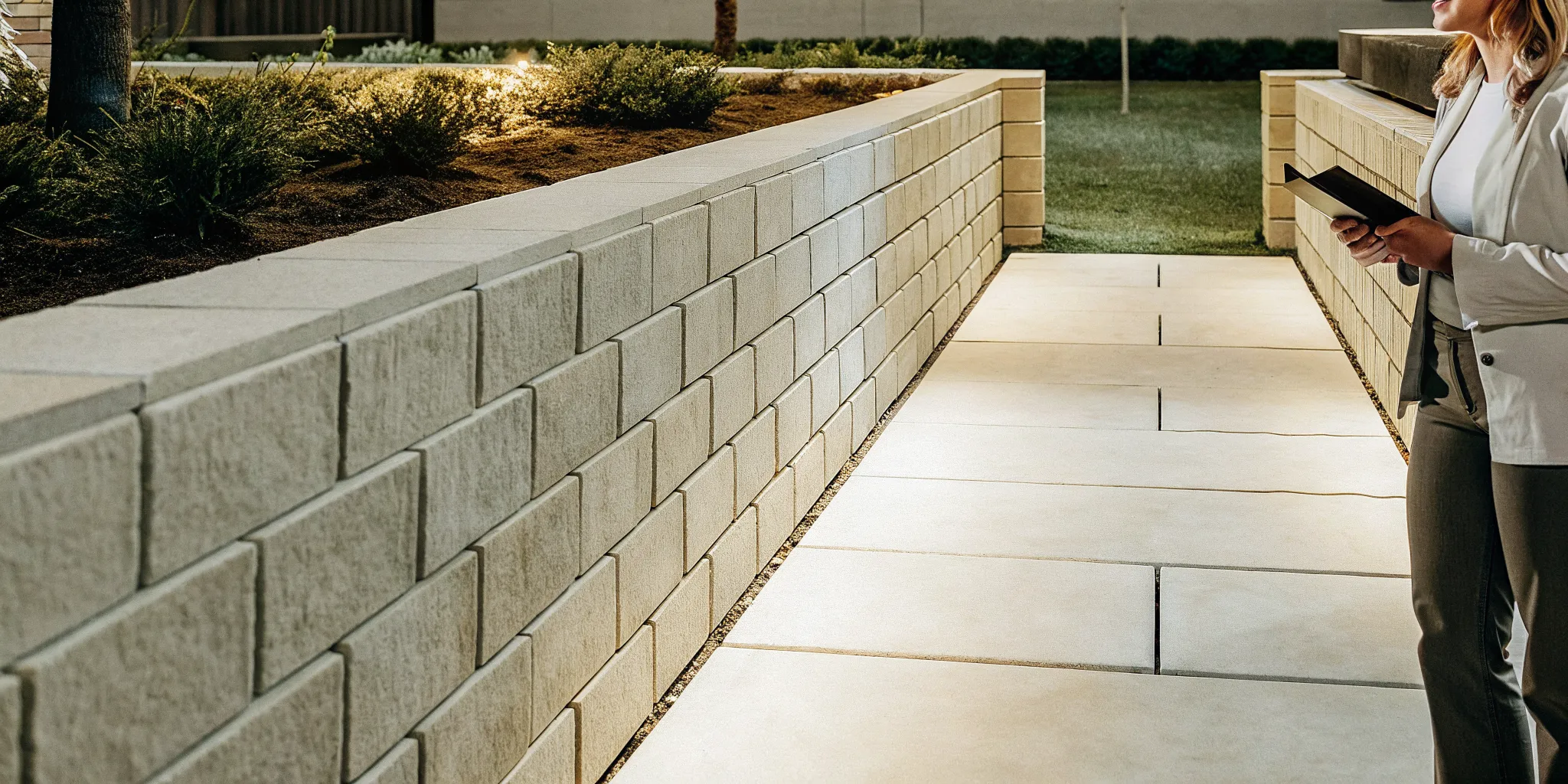
A beautiful retaining wall does more than just manage a slope; it can become the stunning centerpiece of your entire outdoor living space. It creates elegant terraces for gardens, defines a patio area, and adds significant visual appeal and value to your property. But achieving that perfect blend of form and function requires careful planning and expert craftsmanship. The material you choose, the complexity of the design, and the quality of the construction all play a vital role. This article will guide you through the exciting possibilities, from timeless natural stone to durable modern concrete. We’ll also cover what to look for in professional retaining wall installation services to bring your vision to life.
Key Takeaways
- A Retaining Wall is an Engineering Project: Remember that these walls hold back immense pressure from soil and water. Professional installation is crucial for proper drainage, a stable foundation, and compliance with local Denver codes, which protects your property and prevents future headaches.
- Vet Your Contractor Thoroughly: Your project’s success hinges on your choice of partner. Always confirm their license and insurance, look at their past projects, and make sure you receive a detailed, written plan that outlines the entire scope of work.
- Prioritize Drainage and Foundation: While the material you choose creates the look, the wall’s long-term stability depends on its unseen components. A properly built foundation and a robust drainage system are essential for managing water pressure and ensuring your wall lasts.
Why Hire a Pro for Your Retaining Wall?
While tackling a home improvement project yourself can be rewarding, building a retaining wall is a job best left to the experts. These structures do more than just look good; they are engineered systems designed to hold back immense pressure from soil and water. A professionally installed wall protects your property from erosion, creates usable flat space, and adds lasting value to your home. Investing in a professional ensures the job is done safely and correctly from the start, saving you from the stress and expense of future repairs.
Benefit from Structural and Drainage Expertise
A successful retaining wall depends on more than just stacking blocks. It requires careful planning and a deep understanding of soil mechanics and water management. Professionals conduct a thorough site assessment to understand the unique conditions of your property. They design walls with proper footings, reinforcement, and crucial drainage systems to handle hydrostatic pressure, which is the force of water building up behind the wall. A meticulously planned retaining wall improves water drainage and keeps your outdoor spaces intact, ensuring safety and stability for years to come. This is where the expertise of a hardscape and landscape contractor becomes invaluable.
Ensure Quality Work and Warranty Protection
When you hire a professional team, you’re not just paying for labor; you’re investing in quality and peace of mind. Experienced contractors use the right materials for the Denver climate and follow proven installation techniques to ensure your wall is built to last. By hiring professionals, you ensure that your retaining wall is designed and installed correctly. Plus, a reputable company will stand behind its work with a warranty. If an issue arises, you have a team to call. A DIY project that fails leaves you responsible for all the cleanup and rebuilding, turning a weekend project into a long-term headache.
Navigate Local Codes and Permits with Ease
Did you know that many retaining walls in the Denver metro area require a building permit? Depending on the height and location of your wall, it may be subject to multiple local regulations, zoning laws, and engineering requirements. A professional contractor is familiar with these codes and will manage the entire permitting process for you. This includes submitting the necessary plans and scheduling inspections to ensure everything is up to standard. Handling this process correctly prevents potential fines, legal trouble, or even an order to tear down a non-compliant wall, letting you relax while the experts take care of the details.
Avoid Common DIY Installation Mistakes
Many well-intentioned DIY retaining walls fail due to simple but critical mistakes. One of the most common errors is neglecting a thorough site assessment, which leads to an inadequate foundation that can’t support the wall’s weight. Another frequent issue is using low-quality or unsuitable materials that can’t withstand Colorado’s freeze-thaw cycles, resulting in structural failure. Professionals know how to properly prepare the base, install drainage, backfill correctly, and compact the soil in layers. Avoiding these common pitfalls is key to building a wall that is both beautiful and structurally sound, which is why our comprehensive range of services always starts with a solid plan.
How to Choose the Right Retaining Wall Contractor
Selecting the right contractor is the most critical decision you’ll make for your retaining wall project. The right team not only builds a structure that lasts but also provides a smooth, transparent experience from start to finish. A great retaining wall is a significant investment in your property’s safety and beauty, so it’s worth taking the time to find a partner you can trust. Doing your homework now ensures you get a wall that’s expertly engineered, beautifully crafted, and built to handle everything the Denver climate throws at it. This process involves looking beyond the quote and evaluating a contractor’s experience, communication style, and past work.
Verify Their Experience, License, and Insurance
Before you even start discussing designs, your first step is to confirm the contractor is qualified and protected. Ask for proof of their license to operate in the Denver metro area and a certificate of insurance that covers both liability and workers’ compensation. This is non-negotiable, as it protects you from any liability in case of accidents on your property. Beyond the paperwork, look for a team with specific experience building retaining walls. A seasoned hardscape and landscape contractor will conduct a thorough site assessment, understand the complexities of soil pressure, and design a proper drainage system to prevent structural failure down the road.
Review Their Portfolio and Check References
Seeing is believing. A professional contractor will be proud to share a portfolio of their completed projects. As you look through their work, check for retaining walls similar in size and style to what you envision for your own yard. This gives you a clear idea of their craftsmanship and design capabilities. Don’t stop there; ask for a list of recent references and actually call them. Speaking with past clients is the best way to learn about their experience with the contractor’s communication, timeliness, and overall professionalism. You can also see examples of a contractor’s finished projects and reviews online to gauge quality and customer satisfaction.
Look for Clear Communication and Detailed Plans
A successful project relies on clear and consistent communication. From your first conversation, the contractor should be attentive, answer your questions thoroughly, and explain their process in a way you can understand. A true professional will provide a detailed, written proposal that outlines the project scope, materials, timeline, and payment schedule. Retaining walls require careful planning and precise engineering to be safe and effective. Vague answers or a simple, one-page quote are signs that the contractor may not be giving your project the detailed attention it requires. A clear plan shows they’ve thought through the specifics and are committed to a successful outcome.
Know the Red Flags to Watch For
Knowing what to avoid is just as important as knowing what to look for. Be cautious of any contractor who offers a surprisingly low estimate, pressures you to make a quick decision, or asks for a large cash deposit upfront. Another major red flag is a contractor who downplays the complexity of the project. Building a retaining wall is a serious undertaking that involves managing immense soil and water pressure. Anyone who dismisses the need for proper engineering or a detailed site plan may be cutting corners that could lead to wall failure. A trustworthy company will be transparent about its process and proud of its expert, owner-led team.
Exploring Retaining Wall Materials and Designs
Choosing the right material for your retaining wall is about finding the perfect blend of style, function, and longevity. Your wall is a major feature of your landscape, so you want it to look great, but it also has a tough job to do. From the rugged durability of concrete to the classic beauty of natural stone, each option brings a unique character to your outdoor space. Let’s walk through some of the most popular choices for homes in the Denver metro area to help you find the best fit for your vision and property needs.
Concrete for Lasting Durability
Concrete retaining walls are known for their incredible strength and durability, making them a fantastic choice for almost any landscape design. If you’re looking for a long-term solution that requires very little maintenance, concrete is hard to beat. It stands up beautifully to Denver’s changing seasons without warping or rotting. Plus, modern concrete is anything but boring. You can choose from poured concrete for a sleek, modern look or opt for stamped and stained concrete blocks that mimic the appearance of natural stone. This versatility makes it easy to get a custom look that complements your home’s style while providing unmatched structural support from a professional concrete contractor.
Natural Stone for Timeless Appeal
For a truly timeless and elegant landscape, nothing compares to natural stone. Using materials like flagstone, limestone, or granite creates a retaining wall that feels like a natural extension of the surrounding environment. Each stone is unique, giving your wall a rich texture and character that manufactured products can’t replicate. Natural stone walls are exceptionally durable and can last a lifetime with proper installation. They are a beautiful and popular choice for homeowners looking to create a high-end feel in their gardens and patios. Integrating stone is a key part of creating stunning hardscape and landscape designs that add lasting value to your property.
Timber and Composite Alternatives
Timber retaining walls offer a warm, rustic aesthetic that blends seamlessly with naturalistic or woodland-style gardens. They can be a more economical choice and bring a soft, organic feel to your yard. However, it’s important to know that wood has a shorter lifespan compared to stone or concrete and will require more maintenance over the years. For a similar look without the upkeep, composite materials are an excellent alternative. Much like the materials used for modern decks and pergolas, composite retaining wall systems offer the appearance of wood but are resistant to rot, insects, and weather, giving you a long-lasting and beautiful wall.
Key Design Elements for Function and Drainage
A successful retaining wall is about more than just the materials you see on the surface. Proper design, especially when it comes to drainage, is critical for the wall’s stability and longevity. Without a way for water to escape, hydrostatic pressure can build up behind the wall, eventually causing it to bulge, crack, or even fail. A professional installation always includes a robust drainage system, which might involve a gravel backfill, perforated pipes, and weep holes. These elements work together to relieve pressure and channel water safely away. This is why expert planning is a core part of all our construction services, ensuring your wall is built correctly from the ground up.
What Goes Into a Retaining Wall Project?
A successful retaining wall project involves much more than just stacking stones. Several key factors come together to determine the scope, durability, and final look of your wall. From the initial design to the final touches, understanding these components will help you appreciate the craftsmanship involved and ensure your project meets your expectations. Here’s a look at the essential elements that shape a professional retaining wall installation.
The Size, Height, and Complexity of Your Wall
A retaining wall is a significant backyard project, and its scale is the first thing to consider. The height and length of the wall directly influence the engineering required to make it safe and stable. A small, decorative garden wall has very different requirements than a tall wall designed to hold back a major slope. As walls get taller, they need deeper foundations and more reinforcement to handle the pressure from the soil behind them. The complexity of the design, such as adding curves, corners, or built-in features like seating and stairs, also plays a big role in the construction process for your outdoor living spaces.
Your Choice of Materials and Site Accessibility
The materials you select are about more than just looks; they are fundamental to the wall’s strength and longevity. Different materials, like interlocking concrete blocks, natural stone, or timber, have unique properties suited for various applications. When choosing, it’s important to consider factors like the Denver climate and the amount of pressure the wall will endure. Your property’s accessibility also affects the project. If the construction area is difficult to reach with heavy equipment, it can influence the installation methods and timeline. Our team helps you select the right materials for a beautiful and functional hardscape design.
Soil Conditions and Drainage Needs
One of the most critical, yet often overlooked, aspects of a retaining wall is what happens underground. The foundation is essential for a stable wall, and that starts with understanding the local soil conditions. More importantly, proper drainage is non-negotiable. Without an effective drainage system, water can build up behind the wall, creating immense hydrostatic pressure that can cause it to bulge, crack, or even fail completely. A professional assessment ensures your wall includes the right drainage solutions, like gravel backfill and weep holes, to protect your investment for years to come. This is where our expertise as a concrete contractor becomes invaluable.
Labor, Equipment, and Permitting
Building a retaining wall that lasts requires skilled labor, the right equipment, and a clear understanding of local regulations. The work involves careful excavation, precise leveling, and the proper placement of each layer of material and drainage components. In the Denver metro area, most retaining walls require a building permit, and there may be multiple regulations to follow depending on the wall’s height and location. A professional contractor handles all of these details, from securing the necessary permits to managing the logistics of labor and equipment. This ensures your project is built correctly and complies with all local codes. Ready to discuss your project? Schedule a consultation with our team.
A Look at the Retaining Wall Installation Process
Building a retaining wall is more than just stacking blocks or stones. It’s a detailed construction project that, when done right, can completely transform your landscape and protect your property for decades. Understanding the steps involved helps demystify the process, so you can feel confident in your choice of contractor and prepared for the work ahead. A structured installation is the hallmark of a professional team and is what separates a temporary fix from a long-term, valuable investment in your home.
Each step builds on the one before it, creating a seamless flow from concept to completion. It starts with a deep dive into the unique characteristics of your property, from the soil composition to the specific slope we need to address. This information forms the basis of a custom engineering plan designed for maximum stability and longevity. From there, skilled execution brings the design to life. This methodical approach ensures your new wall is not only beautiful but also a structurally sound feature that enhances your outdoor living space. Here’s a look at what you can expect when working with an experienced team.
Step 1: Consultation and Site Assessment
Every successful retaining wall starts with a thorough consultation. This is where we get to know your vision and assess your property. A successful installation begins with careful planning, so we’ll discuss the wall’s purpose, whether it’s for creating terraced garden beds or managing a steep slope. We’ll also examine crucial factors like soil type and existing drainage patterns, as these details are key to preventing future instability. This initial meeting is all about gathering the information needed to create a solid plan for a wall that meets your needs and works with your landscape. You can schedule a consultation with our team to get started.
Step 2: Design Planning and Permitting
Once we have a clear understanding of the site, we move on to the design and planning phase. This is where we translate your ideas into a detailed blueprint. A critical mistake we often see is failing to get a wall properly designed and engineered to handle the immense pressure from water-heavy soil. That’s why we create precise plans that account for these forces. We also manage the permitting process for you. Most retaining walls in the Denver metro area require a building permit, and we make sure all plans adhere to local regulations, ensuring your project is approved and built correctly from the start.
Step 3: Excavation, Foundation, and Construction
With a solid plan in place, the physical work begins. This phase requires precise engineering and skilled execution. We start by excavating the area and preparing a stable foundation, which is the bedrock of your wall’s strength. We then construct the wall using high-quality materials chosen for their durability and suitability for your project. A crucial part of the construction is installing a proper drainage system behind the wall. This system is designed to divert water away, relieving pressure and preventing structural failure. Our hardscape and landscape contracting expertise ensures every layer is built with care.
Step 4: Final Walk-Through and Maintenance Guidance
After the construction is complete, we conduct a final walk-through with you. This is your opportunity to inspect the finished wall, ask questions, and make sure every detail meets your expectations. We want you to be completely satisfied with the result. We’ll also provide you with straightforward maintenance guidance to help you care for your new retaining wall. While our walls are built for longevity with minimal upkeep, a few simple tips can ensure it looks great and functions perfectly for years to come. Our goal is to leave you with a beautiful, lasting addition to your property.
What to Expect When You Work With Us
Choosing a contractor can feel like a big leap of faith. You want a team that not only understands your vision but also respects your home and communicates clearly every step of the way. At Faros Construction Services, we’ve built our entire process around transparency and partnership. From the first conversation to the final walkthrough, our goal is to make your retaining wall project a smooth, predictable, and positive experience. We handle the complexities so you can focus on the excitement of transforming your outdoor space.
Clear Timelines and Project Communication
We believe you should always know what’s happening with your project. That’s why we follow a structured 6-step process that keeps you informed and in control. It starts with a comprehensive consultation and moves through transparent design, complete permit handling, efficient construction, a thorough final walkthrough, and warranty support. This owner-led approach means you have a dedicated point of contact who is accountable for your project’s success. You’ll never be left wondering about the next steps or who to call with a question. Our commitment to clear communication is a core part of all our construction services.
Our Commitment to Quality and Professionalism
As a locally owned company right here in the Denver metro area, our reputation is built on the results we deliver for our neighbors. We are committed to exceptional craftsmanship, using only top-quality materials to ensure your retaining wall is not only beautiful but also built to last. Our team focuses on achieving perfect finishes and providing outstanding customer support throughout the project. We invite you to look through our past projects and reviews to see the level of care and professionalism we bring to every job site. We treat your home with the respect it deserves.
Post-Installation Support and Care Advice
Our job isn’t finished just because the last stone is in place. During the final walkthrough, we’ll make sure you are completely satisfied with the work and understand how to care for your new retaining wall. We provide practical maintenance advice to help you protect your investment and keep it looking great for years to come. Plus, our warranty support offers an extra layer of confidence. We stand behind our work because we build our hardscape and landscape projects to endure, giving you lasting results and total peace of mind.
Start Your Denver Metro Project with Faros Construction Services
Ready to transform your landscape with a professionally installed retaining wall? We are proud to be the quality choice for homeowners across the Denver metro area, delivering premium craftsmanship and dedicated service. Our A+ BBB rating and five-star reviews reflect our commitment to getting every detail right. We’re here to listen to your ideas, answer your questions, and create a plan that brings your vision to life. When you’re ready to get started, simply schedule a consultation with our team.
Related Articles
- Poured Concrete Retaining Wall: An Ultimate Guide
- Retaining Wall on a Slope Cost: A 2026 Guide
- Hardscape Contractor Denver | Faros Construction
Frequently Asked Questions
How long does a retaining wall project usually take? The timeline for a retaining wall project can vary quite a bit. A smaller, more straightforward wall might be completed in several days, while a larger, more complex structure could take a couple of weeks. Factors like the wall’s size, the materials you choose, and your property’s specific conditions all play a role. After our initial site assessment, we provide a clear project schedule so you know exactly what to expect from start to finish.
Do I really need a permit for a small retaining wall? It’s a common question, and the answer is often yes. In the Denver metro area, many retaining walls require a building permit, especially once they reach a certain height. Local codes can be specific and complex, which is why we manage the entire permitting process for our clients. This ensures your project is fully compliant and built to the correct safety standards, giving you complete peace of mind.
What is the most common reason a retaining wall fails? The single biggest cause of retaining wall failure is improper water drainage. When water gets trapped in the soil behind a wall, it creates enormous pressure that can cause the structure to bulge, crack, or even collapse. A professional installation always includes a robust drainage system, like gravel backfill and pipes, to safely channel water away and protect the wall’s integrity for years to come.
How do I know which material is best for my yard? Choosing the right material is about balancing your personal style with the functional needs of the wall. Concrete blocks are incredibly durable and offer a clean, modern look, while natural stone provides a timeless, organic feel. During our consultation, we can discuss the benefits of each option and help you select a material that complements your home and stands up to the Colorado climate.
What happens during the initial consultation? Our first meeting is a conversation to understand your vision and a chance for us to get to know your property. We’ll talk about what you hope to achieve with the wall, whether it’s creating a level patio or managing a slope. We will also assess the site, looking at soil conditions and drainage. This step is all about gathering the details we need to create a thoughtful and effective plan for your project.