
Planning a 1,000-square-foot home in the Denver Metro Area starts with a floor plan that gives each room a clear purpose. This guide covers practical layout ideas, indoor-outdoor connections, and planning considerations for working with a home builder in the Denver Metro Area.
Key Takeaways
- Prioritize Quality Over Quantity: A 1,000 sq ft home is more affordable to build and maintain, which frees up your budget to invest in high-end finishes, custom details, and a more financially flexible lifestyle.
- A Smart Floor Plan Makes All the Difference: Use open-concept layouts, multi-functional rooms, and clever storage to make your home feel spacious and organized. Extending your living area with a deck or patio is one of the best ways to increase your usable space.
- Choose a Builder with Local Expertise: The right builder is a partner who understands Denver’s specific building codes and climate. Look for a team with a strong local portfolio, a reputation for quality craftsmanship, and a commitment to clear communication.
Why a 1,000 Sq Ft House Might Be Your Perfect Fit
Let’s move past the idea that a dream home has to be massive. A 1,000 sq ft house offers a smart, stylish, and practical alternative that’s gaining popularity across the Denver metro area for good reason. Since it’s less than half the size of the average American home, the most immediate benefit is affordability. A smaller footprint often means lower mortgage payments, reduced utility bills, and less money spent on maintenance and furnishings. This financial freedom allows you to invest in quality craftsmanship and high-end finishes, creating a home that feels luxurious without the oversized price tag.
This cozy-but-not-cramped size is incredibly versatile, making it a perfect fit for various lifestyles. It’s an ideal space for a single person, a couple just starting out, or empty nesters looking to downsize into a more manageable home. Even small families can thrive in a well-designed 1,000 sq ft layout. The key is smart design, where every inch is put to good use. A custom home builder can help you create a floor plan that feels open and functional.
Modern 1,000 sq ft homes often feature open-concept layouts where the living room flows seamlessly into the dining area and kitchen, making the entire space feel larger and more connected. You also don’t have to sacrifice personal style. These homes come in a variety of popular architectural styles, from modern farmhouse and contemporary to classic cottage and ranch designs. Ultimately, choosing a smaller home is about prioritizing a simpler, more intentional lifestyle without giving up the comfort and beauty you deserve.
Find a Builder for Your 1,000 Sq Ft Denver Home
Once you have a vision for your 1,000 sq ft home, the next crucial step is finding the right partner to bring it to life. The builder you choose will have the biggest impact on the quality, timeline, and budget of your project. In the Denver metro area, you need a team that not only has a reputation for quality work but also understands local building codes and environmental factors. A great builder acts as your guide, turning a set of plans into a home you’ll love for years to come. It’s about finding a team that listens, communicates clearly, and has the expertise to execute every detail correctly.
Faros Construction Services
When you’re looking for a builder with a proven track record in the Denver area, Faros Construction Services is a standout choice. We are known for our exceptional craftsmanship and a deep commitment to honest, transparent service. Specializing in residential construction, our owner-led team ensures that every detail of your 1,000 sq ft home is handled with care, from the foundation to the finishing touches. We believe in building lasting results and relationships. If you’re ready to discuss your project, you can schedule a consultation or give us a call at +1 720-650-6873 to get an estimate.
Other Local Builders
Doing your research is always a smart move, and Denver has a variety of local builders to consider. It’s important to compare different contractors based on their specific experience with homes of this size, their project portfolios, and what past clients have to say. Websites like Yelp are a great resource for reading unfiltered customer reviews and getting a feel for a company’s reputation in the community. Getting estimates from a few different qualified builders will help you make an informed decision and find the perfect fit for your project and budget.
National Plan Providers
If you’re starting from scratch, you might explore national plan providers. These companies offer huge libraries of pre-designed house plans that you can browse to find a layout that fits your lifestyle. Many of these plans can be customized to better suit your needs. Once you find a design you love, you’ll need a local expert to build it. The key is to bring that plan to a trusted Denver home builder who can adapt it to your specific lot, handle local permitting, and ensure the final construction is of the highest quality.
What Fits Inside a 1,000 Sq Ft House?
It’s easy to underestimate just how much life you can fit into 1,000 square feet. With a thoughtful layout, this footprint offers a comfortable, functional, and stylish living space without the burden of maintaining a larger home. The key is smart design that prioritizes flow, light, and purpose. From cozy family homes to chic solo spaces, a smaller home can be customized to fit your lifestyle perfectly. Let’s look at what you can realistically expect to find inside.
Common Bedroom and Bathroom Layouts
A 1,000 sq ft house plan typically accommodates one or two bedrooms and one or two bathrooms. This flexibility is one of its biggest strengths. A two-bedroom, two-bathroom layout is perfect for a small family, roommates, or a couple who wants a dedicated guest room. Alternatively, a one-bedroom plan allows for a more spacious primary suite with a larger walk-in closet or a more luxurious bathroom. You could also opt for a two-bedroom, one-bathroom layout to create a comfortable home office or creative studio while keeping construction costs down.
The Appeal of Open Floor Plans
Open-concept living is a game-changer in smaller homes. Most 1,000 sq ft plans feature living rooms that flow directly into the dining area and kitchen, creating a single, bright, and airy great room. This design trick makes the entire home feel larger and more connected. It’s also fantastic for entertaining, as you can chat with guests while you’re finishing up in the kitchen. An experienced home builder can help you design an open layout that feels both spacious and defined, using features like a kitchen island or strategic furniture placement to create distinct zones.
Must-Have Modern Amenities
Living in a smaller home doesn’t mean you have to skip the modern comforts. In fact, many 1,000 sq ft designs incorporate high-end features that make the space feel more custom and luxurious. Think vaulted ceilings that draw the eye upward, a built-in eating bar in the kitchen for casual meals, or a spacious walk-in closet in the primary bedroom. Custom showers, clever storage nooks, and large windows are other popular amenities that add significant value and daily enjoyment. These thoughtful details ensure your home is as functional as it is beautiful.
Connecting Indoor and Outdoor Spaces
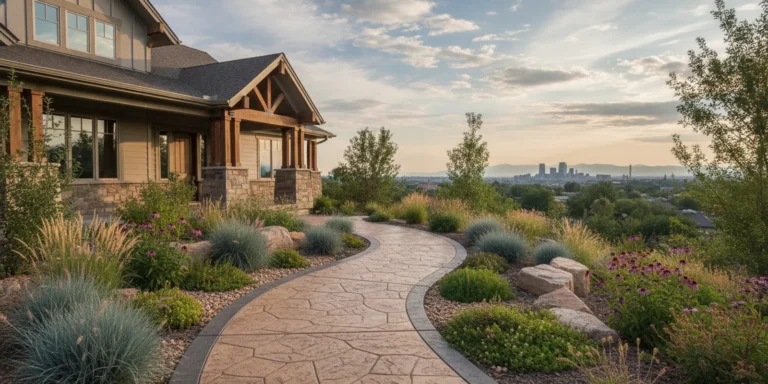
In the Denver metro area, we love our outdoor time. A great 1,000 sq ft house plan embraces this by seamlessly connecting the interior with the outside. Many designs include front porches for greeting neighbors, back patios for grilling, or spacious decks for relaxing and entertaining. These outdoor living spaces act as a natural extension of your home, effectively increasing your usable square footage. Adding a pergola or a covered porch can create a comfortable, shaded spot to enjoy Colorado’s sunny days, making your small home feel much larger.
Find Your Ideal 1,000 Sq Ft Floor Plan
Choosing a floor plan is one of the most exciting parts of building a new home. With a 1,000-square-foot house, a smart layout is everything. It’s not just about fitting in rooms; it’s about creating a space that feels open, functional, and perfectly suited to your lifestyle. Whether you’re a single professional, a young couple, or downsizing, the right plan will make your smaller home feel just right.
The Denver metro area is home to a beautiful mix of architectural styles, from classic mountain retreats to sleek urban designs. This gives you a rich palette of inspiration to draw from. Before you get lost in the details, start by thinking about the big picture. Do you prefer a single-story ranch or a two-story layout? Is your home a quiet sanctuary or the go-to spot for hosting friends and family? Answering these questions will help you narrow down the options and find a floor plan that truly works for you. As your local home builder, we can help you translate those ideas into a functional and beautiful design.
Explore Popular Design Styles
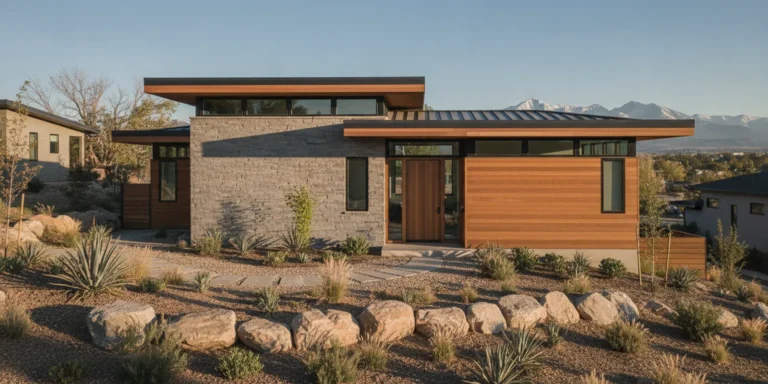
Your home’s style says a lot about you. In Denver, you don’t have to stick to one look. The blend of city life and mountain scenery inspires a wide range of designs that work beautifully for a 1,000-square-foot home. A modern mountain style, for instance, uses natural materials like wood and stone with large windows to bring the outdoors in. A classic Craftsman offers charming details and a cozy, built-in feel. Or, you might prefer a minimalist design that focuses on clean lines and uncluttered spaces, making every square foot feel intentional. Think about the overall vibe you want your home to have—cozy and rustic, or bright and modern? This will guide your choices for everything from the roofline to the interior finishes.
Modern Farmhouse vs. Contemporary
Two of the most popular styles right now are modern farmhouse and contemporary, and both adapt well to a 1,000-square-foot layout. The modern farmhouse look combines rustic charm with clean, modern lines. Think open floor plans, a neutral color palette, and a mix of natural wood and sleek metal finishes. It’s a style that feels warm and inviting.
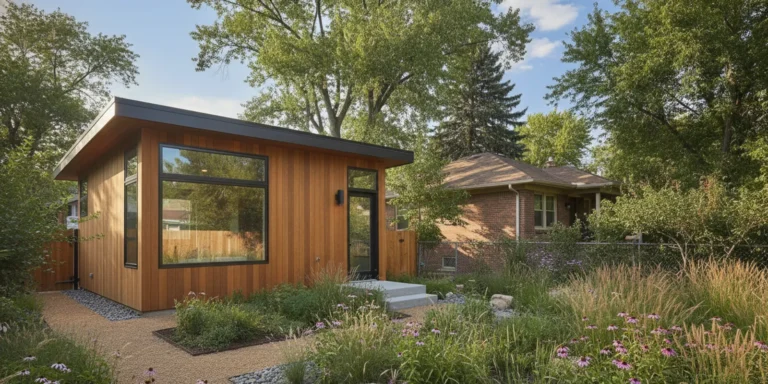
On the other hand, contemporary design is all about simplicity. It features sharp, clean lines, minimal ornamentation, and a focus on natural light through large, unadorned windows. The layout is often open and airy, creating a sense of spaciousness. You can see examples of different design aesthetics in our project gallery to get a better feel for what resonates with you.
One Story or Two? Ranch vs. Two-Story
Deciding between a single-story and a two-story home is a key step. Ranch-style homes are a classic choice, known for their easy, single-level living. With no stairs to worry about, they are accessible and convenient for all ages. Ranches often emphasize open, flowing spaces and can make a 1,000-square-foot layout feel surprisingly expansive.
A two-story plan stacks your living space, which means you need a smaller foundation. This can be a great advantage on a smaller or narrower lot. It also creates a natural separation between public and private areas, with bedrooms typically located upstairs. This layout can provide more privacy and sometimes even better views of our beautiful Colorado landscape from the second floor.
Design for Family Life or Entertaining
How you plan to live in your home should be the primary driver of your floor plan. If you love having people over, an open-concept design is a fantastic choice. When the kitchen, dining area, and living room flow into one another, the space feels larger and more connected, making it easy for guests to mingle. You can even extend your entertaining area by connecting your indoor space to one of our custom outdoor living spaces.
If your focus is more on daily family life or working from home, you might prioritize flexible rooms. A small room can serve as a home office during the week, a quiet reading nook on the weekend, or a guest room when family visits. Smart design ensures your 1,000-square-foot home can adapt as your needs change.
Cost Breakdown: 1,000 Sq Ft vs. Larger Homes
One of the biggest questions when planning a new home is always about the budget. Building a smaller home is a great way to manage costs, but it’s helpful to understand where the savings come from. In the Denver metro area, the price per square foot can change quite a bit depending on the home’s size, complexity, and the finishes you choose. While a larger home will always have a higher total price tag, a smaller home allows you to either save significantly or redirect your budget toward high-end features and quality materials that will last a lifetime.
Breaking Down Construction Costs
When you look at the numbers, building smaller makes a lot of sense financially. In the Denver area, smaller homes can sometimes be built for around $200 per square foot, while larger or more complex custom homes can easily cost more than $350 per square foot. The total project cost for a custom home often starts around $1 million, but a 1,000-square-foot plan keeps the final price much more manageable. As your local home builder, we can help you understand how your design choices, from the foundation to the roof, will impact the final cost.
How You’ll Save on Materials and Labor
The most direct savings from a smaller floor plan come from materials and labor. A 1,000-square-foot home simply requires less of everything: less concrete for the foundation, less lumber for framing, and less drywall, flooring, and roofing to finish the space. This reduction in materials also means fewer hours of labor are needed to put it all together. These savings can free up your budget for things that make a big impact, like higher-end kitchen appliances, custom cabinetry, or a beautiful deck or pergola to extend your living area.
Understanding Long-Term Maintenance Costs
The financial benefits of a smaller home continue long after construction is finished. Heating and cooling a 1,000-square-foot space costs significantly less than managing the climate in a home twice that size, leading to lower monthly utility bills. Future maintenance is also more affordable. When it’s time to repaint the exterior, replace the roof, or update the windows, you’ll be working with a much smaller surface area. These long-term savings on upkeep make a smaller home a smart and sustainable choice for many homeowners.
Denver’s Land and Permit Requirements
The structure itself is only one part of the total cost. In the Denver metro area, land is a major investment. A smaller home footprint can open up possibilities for smaller, more affordable lots that a larger house wouldn’t fit on. You also have to account for site preparation, utility hookups, and city permits, which are essential parts of any build. While some of these costs are fixed, many are influenced by the scale of your project. Understanding these local requirements is key to creating an accurate budget, and it’s where an experienced local builder can provide invaluable guidance.
The Pros and Cons of Living in a 1,000 Sq Ft Home
Choosing to build a smaller home is a big decision, and it comes with its own unique set of benefits and challenges. A 1,000-square-foot house is significantly cozier than the average American home, but for many people in the Denver area, that’s a huge part of the appeal. It’s about living more intentionally and focusing on what truly matters. Before you commit to a smaller footprint, it helps to weigh the good against the not-so-good to see if this style of living aligns with your goals. Thinking through these points will help you decide if a compact, efficient home is the right foundation for your life.
The Upside: Why Smaller Can Be Smarter
Living smaller often means living smarter, especially when it comes to your finances. A 1,000-square-foot home is more affordable to build, which translates into a lower mortgage and more financial freedom. This size is a fantastic fit for singles, couples, small families, or empty nesters who want a beautiful, functional space without the upkeep of a larger house. Modern small home plans are designed for efficiency, making clever use of every inch. When you partner with an experienced home builder, you can create a space that feels open, inviting, and perfectly tailored to your lifestyle, proving that you don’t need massive square footage to live well.
The Downside: Potential Space Challenges
Let’s be honest: a smaller home isn’t for everyone. Most 1,000-square-foot plans include one or two bedrooms and one or two bathrooms. While this is perfect for some, it can feel restrictive if you have a larger family or love hosting overnight guests. You’ll need to be more thoughtful about storage and how you use each room. Some designs maximize vertical space with a second story or a mezzanine level, but that layout might not suit your accessibility needs or personal style. The key is to be realistic about how much space you truly need day-to-day and whether you’re willing to get creative to make it work.
Save on Utilities and Upkeep
One of the most celebrated perks of a smaller home is the long-term savings. Fewer square feet means less space to heat in the winter and cool in the summer, leading to noticeably lower utility bills each month. This financial breathing room can make a huge difference, freeing up your budget for other priorities. Imagine investing those savings into creating incredible outdoor living spaces or choosing a location you’ve always dreamed of. Plus, less house means less time spent on cleaning and maintenance, giving you more time to actually enjoy your home and the beautiful Denver outdoors.
Maximize Your Space in a 1,000 Sq Ft Home
Living in a 1,000-square-foot home doesn’t mean you have to compromise on comfort or style. It’s all about being intentional with your design choices. With a thoughtful layout and a few clever strategies, you can create a home that feels open, organized, and perfectly suited to your lifestyle. The key is to make every square foot count, both inside and out.
When you work with an experienced home builder, you can incorporate space-saving features from the very beginning. Many modern designs for smaller homes feature open floor plans where living rooms flow into dining areas and kitchens, which instantly makes the main living area feel bigger. From there, you can build in smart solutions that keep your home functional and clutter-free. It’s not about having less; it’s about designing a home that works smarter, not harder.
Get Creative with Smart Storage
Forget bulky furniture and overflowing closets. In a smaller home, storage needs to be integrated seamlessly into the design. Think vertically with floor-to-ceiling bookshelves that draw the eye upward and make rooms feel taller. Look for opportunities to build in storage, like benches with hidden compartments in the entryway, drawers under the stairs, or custom cabinetry that fits perfectly into an awkward nook.
An open-concept layout also presents unique storage opportunities. A well-designed kitchen island can house everything from pots and pans to small appliances, while a stylish media unit can double as a bookshelf and display case. By building storage into the architecture of your home, you keep floor space clear and maintain a clean, uncluttered look.
Design Rooms with Multiple Functions
In a 1,000-square-foot home, every room should be prepared to pull double duty. A space that serves a single purpose is a luxury you might not be able to afford. Luckily, creating multi-functional rooms is easier than you think. Many floor plans now include flexible rooms that can be used as a home office, a guest bedroom, or a cozy den.
A spare bedroom can transform with a Murphy bed that folds up to reveal a workspace. Your dining area can double as a spot for homework or hobbies, and a living room can easily incorporate a quiet reading corner. The right furniture and a flexible layout are key to making this work. By designing rooms that can adapt to your changing needs, you ensure your home supports every aspect of your life.
Extend Your Living Space Outdoors with Decks and Patios
One of the best ways to make a small home feel larger is to blur the line between inside and out. Here in the Denver metro area, our beautiful weather gives us the perfect excuse to create functional and inviting outdoor areas. A well-designed deck, porch, or patio essentially adds another room to your home—a place to relax, entertain, and enjoy the fresh air.
Imagine a comfortable seating area on a new porch for your morning coffee or a spacious deck with a grill and dining table for summer barbecues. These outdoor living spaces become a natural extension of your home, providing extra square footage for daily life. Adding features like a pergola for shade or a built-in fire pit can make your backyard the most popular spot in the house.
How to Choose the Right Home Builder
Finding the right builder is one of the most important decisions you’ll make when bringing your 1,000 sq ft house plan to life. This isn’t just about hiring a contractor; it’s about finding a partner who understands your vision, respects your budget, and has the expertise to build a home that lasts. A great builder communicates clearly, values quality over shortcuts, and has a proven track record right here in the Denver area. Taking the time to vet your options thoroughly will ensure your home-building process is smooth and the final result is exactly what you dreamed of.
Look for Quality Craftsmanship
True craftsmanship is in the details. When evaluating a builder, look closely at the quality of their materials and the precision of their work. Pay attention to things like trim, cabinetry, and paint finishes in their past projects. A reputable builder will be proud to show you examples of their work and may even connect you with past clients. Don’t just look at photos; if possible, visit a completed project to get a real feel for the construction quality. This is your chance to see their standards in action and ensure they align with your own expectations for your new home.
Prioritize Local Denver Experience
A builder with deep roots in the Denver metro area brings invaluable local knowledge to your project. They understand the region’s specific building codes, climate challenges, and soil conditions, which can save you from headaches and costly revisions down the road. A local Denver builder also has established relationships with reliable subcontractors and suppliers in the area. When you review their portfolio, check that their style fits your vision and that they have experience building homes similar to the one you’re planning. This local expertise is key to a successful build that’s suited for Colorado living.
Insist on Clear Pricing and Communication
Trust is built on transparency. A quality builder will provide a detailed, easy-to-understand quote and be upfront about their pricing structure. Ask potential builders about their communication style and how they handle project updates or unexpected changes. You should feel comfortable asking questions and confident that you’ll be kept in the loop throughout the entire process. The right partner will have a clear system for managing the project and will make sure you always know what to expect. Before signing a contract, make sure you have a clear understanding of the payment schedule and what’s included.
Find a Builder with Outdoor Living Expertise
With a 1,000 sq ft home, creating a seamless connection to the outdoors can make your living area feel significantly larger. Look for a builder who specializes in creating beautiful and functional outdoor living spaces. A thoughtfully designed deck, patio, or pergola can become a natural extension of your home, perfect for relaxing or entertaining. A builder with expertise in both home construction and landscape design can help you maximize your property’s potential. This integrated approach ensures your indoor and outdoor spaces work together to enhance your lifestyle.
Plan Your Budget for a Small Home Build
Building a new home is exciting, but the budget is often the most intimidating part. The good news is that a smaller footprint makes for a much more manageable financial plan. With a 1,000-square-foot home, you’re already making a smart choice that saves on materials and labor. But a successful build still requires a solid budget from the get-go. Thinking through the costs ahead of time helps prevent surprises and ensures you can create a home you love without unnecessary financial stress.
The key is to break it down into understandable pieces. From understanding the local market to securing financing and timing your build, each step plays a role in your total investment. As an experienced home builder, we guide our clients through this process every day. A clear financial roadmap is just as important as a blueprint. It gives you control and confidence as you move forward with your project, allowing you to focus on the fun parts, like choosing finishes and watching your new home take shape.
Understand the Current Market
Before you can set a realistic budget, you need a clear picture of what it costs to build in the Denver metro area. Construction costs aren’t one-size-fits-all; they depend on the home’s size, design complexity, and the quality of materials you choose. For a smaller, more straightforward home, you might see costs around $200 per square foot. This is a great starting point for your initial calculations, but remember that custom features and high-end finishes will adjust that number. Understanding the current cost per square foot helps you set realistic expectations from day one.
Explore Your Financing Options
Once you have a rough idea of costs, the next step is figuring out how you’ll pay for it. The total cost to build a house in Denver can average around $300,000, and that’s before you factor in the price of land. Most people will need a construction loan, which is different from a traditional mortgage. These loans are paid out in stages as the build progresses. It’s a smart move to talk with a lender early on to get pre-approved. This tells you exactly how much you can afford and shows builders that you’re a serious buyer. Knowing your financing options empowers you to make confident decisions.
Consider the Best Season to Build
Did you know that the time of year you build can affect your budget? In the Denver area, the building season typically kicks into high gear in the spring and summer when the weather is more predictable. This is also when contractors are busiest, which can impact scheduling and labor costs. While Colorado construction costs have been high, building a home remains a solid long-term investment. Planning your build for the shoulder seasons or booking your builder well in advance can sometimes provide more flexibility. The best approach is to have an early conversation with your builder to create a timeline that works for both your budget and your move-in date.
Related Articles
- Accessory Dwelling Unit (ADU) 101: The Ultimate Guide
- Home Remodeling Denver | Faros Construction
- Building Addition 101: Your Step-by-Step Plan
Frequently Asked Questions
What’s the total, all-in cost I should expect for a 1,000 sq ft home? The construction of the house itself is just one piece of the financial puzzle. Your total investment will also include the cost of the land, site preparation like grading and excavation, utility hookups, and city permits. These costs can vary quite a bit across the Denver metro area. A good builder will help you create a comprehensive budget that accounts for these expenses from the start so there are no major surprises along the way.
How long does it typically take to build a 1,000 sq ft house? From breaking ground to final walkthrough, building a home of this size generally takes between 6 to 10 months. The exact timeline depends on several factors, including the complexity of your design, the permitting process with the local municipality, and even the weather. Having a clear plan and an experienced builder who can manage the schedule effectively is the best way to keep your project on track.
Can I customize a pre-designed floor plan to better fit my needs? Absolutely. Using a pre-designed plan is a fantastic way to get started, but it doesn’t have to be the final word. A skilled home builder can work with you to modify a layout to better suit your lifestyle. This could mean moving a wall to create a larger primary suite, adding a home office nook, or reconfiguring the kitchen. The goal is to create a home that is uniquely yours.
Is 1,000 sq ft really enough space for a small family? It certainly can be, and many families thrive in well-designed smaller homes. The key isn’t the number on the blueprint but how the space is used. An open-concept layout, multi-functional rooms, and a strong connection to outdoor living areas can make the home feel much larger and more functional. It’s about prioritizing an intentional lifestyle where every space serves a purpose.
What is the very first step I should take if I’m serious about building? The best first step is to have a conversation with a reputable local builder. Even before you’ve finalized a floor plan or secured a loan, an initial consultation can give you a realistic understanding of costs, timelines, and the overall process in the Denver area. This conversation will help you clarify your vision and determine if building a new home is the right move for you.