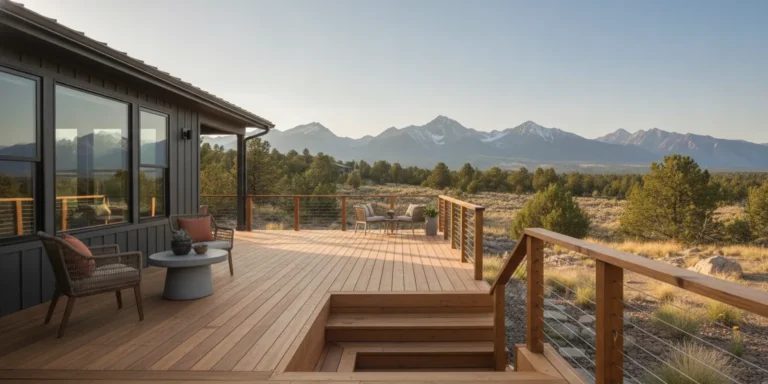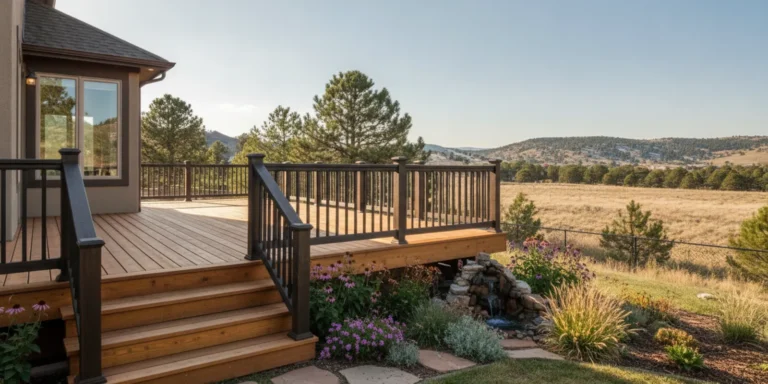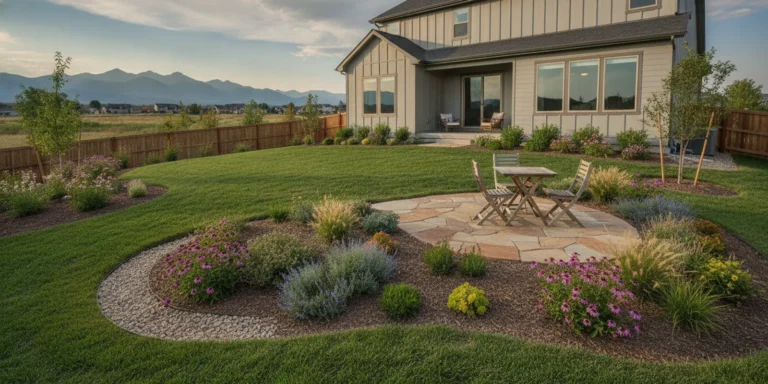

Denver homeowners are rethinking their backyards in 2026, and the results are unlike anything we have seen before. From fully equipped outdoor kitchens to climate-smart materials built for Colorado weather, this year’s outdoor living space trends are all about creating functional, year-round retreats right at home.
Contact Faros Construction today for a free consultation on your outdoor living project and bring these 2026 trends to life in your Denver backyard.
According to the International Casual Furnishings Association (ICFA), 77% of U.S. homeowners say they wish they spent more time outside, and roughly 60% plan to invest in their outdoor spaces this year. With Denver’s 300-plus days of sunshine and an outdoor-first culture, it makes sense that Front Range homeowners are leading the charge.
Below, we break down eight outdoor living space trends shaping Denver backyards in 2026 and how each one works in Colorado’s unique climate.
Why Denver Homeowners Are Going All-In on Outdoor Living
Several factors are driving the outdoor living boom in the Denver metro area. The National Association of Home Builders reports that 75% of homebuyers now list outdoor living as a priority when searching for a home. That stat lines up with what local contractors see on the ground: homeowners want spaces that add real value, not just curb appeal.
Denver’s climate makes the investment even more appealing. With more than 300 sunny days per year and a growing desire to unplug from screens (the average American now spends nearly seven hours a day staring at one), outdoor living spaces have become a practical answer to a modern problem. They also boost resale value. Real estate professionals consistently report that well-designed outdoor spaces return their full investment at resale, sometimes more.
The trend is especially strong in growing suburbs like Highlands Ranch, Castle Rock, Parker, and Centennial, where larger lot sizes give homeowners room to build out multi-zone outdoor environments.
Zoned “Micro-Resort” Backyards Are Replacing the Basic Patio
Gone are the days of a single concrete slab with a grill in the corner. In 2026, homeowners are planning their backyards the same way they plan their interiors: with distinct zones for cooking, dining, lounging, and relaxing.
The industry calls this the “micro-resort” trend. Think of it as vacation-quality living at home, without the flights. A typical zoned layout might include a covered dining area, a fire pit lounge, an outdoor kitchen island, and a quiet reading corner or yoga space. Some Denver homeowners are even adding cold plunge tubs and hot tub zones to round out the wellness angle.
What makes zoning work in Colorado is the variety of our weather. You need shaded areas for afternoon sun, covered spots for sudden thunderstorms, and heated zones for cooler evenings. When each area is purpose-built, you can use your yard comfortably from April through November, and even into winter with the right setup.
Designers recommend starting with a site plan that maps out traffic flow, sight lines, and sun exposure before committing to any structures. Faros Construction’s team does this during every outdoor living space consultation to make sure the final design matches how your family actually lives.
Outdoor Kitchens Are Going Full Gourmet
Outdoor kitchens have been popular for years, but 2026 is the year they crossed the line from “nice to have” to full culinary suites. Homeowners are installing wood-fired pizza ovens, Argentinian-style grills, dedicated smoker stations, warming drawers, outdoor dishwashers, and even wine refrigerators.
The “social island” layout is driving much of this trend. Instead of positioning the cook with their back to guests, oversized kitchen islands with bar seating keep the host connected to the party. It is the same open-floor-plan concept that reshaped indoor kitchens a decade ago, now applied outdoors.
Get a free quote on your outdoor kitchen project from Faros Construction and start designing your Denver outdoor cooking space.
Smart technology is also making outdoor kitchens more practical. App-controlled lighting, temperature monitoring for grills and smokers, and voice-activated controls are becoming standard features rather than luxury add-ons.
For Denver homeowners, there are a few Colorado-specific factors to consider. Cooking at altitude affects recipes and cook times. Materials need to handle freeze-thaw cycles without cracking. And drainage planning around the kitchen area is critical given our pattern of intense afternoon thunderstorms. Choosing the right hardscape and landscape contractor makes a big difference in how well these details come together.
What Are the Best Materials for Colorado Outdoor Spaces?
Climate-resilient materials are not optional in Colorado. They are a requirement. Denver sits at 5,280 feet, where UV radiation is significantly more intense than at sea level. Temperature swings of 40 to 50 degrees in a single day are common. And the freeze-thaw cycle puts constant stress on surfaces that are not engineered to handle it.
Here is what performs best in our climate:
- Composite decking stands up to UV exposure and temperature extremes far better than traditional wood, which can warp, crack, and fade within a few seasons at altitude. For a detailed comparison, check out our guide on composite decking vs. wood for Denver homes.
- HDPE (high-density polyethylene) cabinetry resists moisture, UV, and insects without the maintenance headaches of painted wood cabinets.
- Engineered quartz countertops handle freeze-thaw cycles and direct sunlight better than natural stone, which can crack or stain over time in Colorado’s dry, intense climate.
- Locally sourced stone for fire pits, retaining walls, and accent features. Local stone is naturally adapted to the region’s conditions and adds authentic Colorado character.
The color palette for 2026 leans heavily toward warm, earth-inspired tones. Cool grays are out. Honey browns, warm sand, sage green, and terracotta are in. Trex named “Biscayne,” a honey-toned coastal brown, its 2026 Color of the Year. Pantone’s 2026 pick, “Cloud Dancer,” a soft airy white, is showing up in outdoor kitchen cabinetry and furnishing choices. These natural tones create spaces that feel grounded and connected to Colorado’s landscape.
Covered Patios and Pergolas Are Extending Denver’s Outdoor Season
If there is one trend that makes the most practical sense in Colorado, it is covered outdoor structures. Pergolas, covered patios, and screened-in porches are surging in popularity because they solve Denver’s three biggest outdoor challenges: intense afternoon sun, sudden thunderstorms, and hail.
Motorized louvered pergolas are leading the category. These systems adjust automatically based on weather conditions, opening up for sunshine and closing down when rain hits. They effectively turn a three-season patio into a year-round outdoor room.
For winter use, radiant and infrared heating systems controlled via smartphone apps are extending the outdoor season well past the first frost. Pair a stone fire pit with overhead radiant heat and you have a comfortable outdoor space even in December.
Denver homeowners near the foothills should also factor in fire-resistant materials and designs. With wildfire risk increasing along the Front Range, impact-resistant roofing materials and non-combustible decking are smart investments that also lower insurance premiums.
How Can Smart Technology Improve Your Outdoor Living Space?
Smart outdoor technology has moved from gimmick to genuine quality-of-life improvement. Here are the features Denver homeowners are installing most in 2026:
- App-controlled lighting scenes that adjust based on time of day, activity, or mood
- Weatherproof 4K outdoor televisions and hidden speaker systems for entertainment
- Smart irrigation that adjusts watering schedules based on soil moisture and weather forecasts, a real plus given Colorado’s water conservation priorities
- Radiant heating controlled via smartphone, so you can warm up your patio before you step outside
- Voice-activated outdoor appliances for hands-free cooking and lighting control
Ready to bring smart technology into your outdoor space? Schedule a consultation with Faros Construction to explore what is possible for your Denver home.
The key is choosing weatherproof, outdoor-rated equipment from the start. Indoor-rated smart devices will not survive a Colorado summer hailstorm, let alone a full winter. Work with your contractor to plan electrical, Wi-Fi, and data runs during the build rather than retrofitting later.
Water-Wise Landscaping and Eco-Friendly Outdoor Design
Colorado homeowners understand water conservation better than most. With periodic drought conditions and municipal watering restrictions, the landscaping side of outdoor living has shifted toward designs that use less water while looking better than a traditional lawn.
Three connected trends are shaping this shift:
Rainscaping turns stormwater runoff into a design feature. Rain gardens, dry creek beds, and permeable pavers capture and filter water instead of sending it into storm drains. These features are functional, attractive, and increasingly popular in Denver neighborhoods.
Native Colorado plants and pollinator gardens require less water, less maintenance, and zero pesticides once established. They also support local ecosystems. Plants like blue grama grass, Rocky Mountain penstemon, and lavender thrive at altitude and add year-round texture. For areas where you want green without the watering burden, artificial turf is a practical alternative.
Reduced lawn sizes are the natural outcome. Homeowners are replacing large turf areas with layered planting beds, paver patios, and stamped concrete gathering areas. The result is less mowing, less watering, and more usable outdoor space.
Privacy landscaping is also evolving. Instead of plain stockade fences, homeowners are using living walls, ornamental grasses, lattice panels with climbing plants, and strategic tree placement. These natural barriers soften the feel of a yard while blocking sight lines from neighbors.
Planning Your Denver Outdoor Living Project in 2026
If these trends have you thinking about your own backyard, here is what you should know before breaking ground.
Start early. The Colorado Front Range’s prime building season runs from late March through October, but contractor schedules fill up fast. Denver-area builders often book out by late May. If you want construction to start this spring or summer, begin the design and consultation process now.
Check your permits and HOA rules. Most outdoor structures in the Denver metro area require building permits, especially covered structures, outdoor kitchens with gas lines, and anything near property lines. If you live in a neighborhood with an HOA, check their architectural guidelines before finalizing your design. A good contractor in Denver will handle the permitting process for you.
Plan in phases if needed. You do not have to build everything at once. Many homeowners start with a concrete patio or deck and pergola, then add a kitchen, fire feature, or landscaping in subsequent seasons. A phased approach keeps the budget manageable while still moving toward a complete outdoor living environment.
Choose the right builder. Look for a licensed, bonded, and insured general contractor with specific outdoor living experience. Ask for references, check online reviews, and make sure they understand Colorado’s climate challenges. Owner-involved contractors who oversee every phase of the build tend to deliver the best results.
Faros Construction serves homeowners across the Denver metro area, including Aurora, Lakewood, Littleton, Arvada, Highlands Ranch, Castle Rock, and beyond. Schedule a free consultation to discuss your outdoor living goals.
Frequently Asked Questions
What are the biggest outdoor living space trends for 2026?
The top trends include zoned “micro-resort” backyard layouts, full gourmet outdoor kitchens, climate-resilient composite materials, covered structures like motorized louvered pergolas, smart outdoor technology, water-wise landscaping with native plants, and warm earth-tone color palettes replacing cool grays.
Are outdoor living spaces worth the investment?
Yes. Real estate professionals report that well-designed outdoor living spaces consistently return their full investment at resale, and in strong markets they can increase home value beyond the build amount. The ICFA reports that 75% of homebuyers now list outdoor living as a priority when shopping for a home.
How can I use my outdoor space year-round in Colorado?
Covered structures like motorized pergolas and solid roof patios protect against sun, rain, and hail. Add radiant or infrared heating, a fire pit or fireplace, and windbreak elements to extend your outdoor season through fall and winter. Smart heating controlled from your phone means your space is warm before you step outside.
What materials work best for Denver outdoor living spaces?
Composite decking, HDPE cabinetry, and engineered quartz countertops handle Colorado’s intense UV, freeze-thaw cycles, and dry climate better than traditional wood and natural stone. Locally sourced stone is ideal for fire pits, retaining walls, and accent features.
When should I start planning my Denver outdoor living project?
Start the design and consultation process in late winter or early spring. Denver-area contractors fill their schedules quickly, and most are booked by late May. Beginning early gives you the best chance of starting construction during the prime building season from late March through October.