
Denver’s intense high-altitude climate puts severe stress on residential exterior paint, making regular maintenance a crucial part of home preservation.
Ready to protect your home’s exterior from the elements? Schedule a free exterior repainting consultation with Faros Construction Services today or call our team at (720) 594-5604 to get started.
Knowing how long does exterior house paint last in Denver is essential for local homeowners, with most professional paint jobs lasting between five and ten years on average. This timeline is heavily influenced by your home’s specific siding material, the quality of previous surface preparation, and direct environmental exposure. In Colorado’s unique high-altitude climate, intense ultraviolet radiation, heavy winter snow, and sudden spring hail storms degrade paint binders more rapidly than in milder regions. For example, wood siding often requires repainting every five to seven years. Whereas highly durable materials like fiber cement or painted brick can maintain their protective finish for up to fifteen years before needing a refresh. Investing in professional-grade paint and thorough prep work is the most effective way to maximize this maintenance cycle.
While the local weather remains a constant factor, your home’s exterior material is the primary driver of this repainting cycle. To understand how your specific property will hold up, it is helpful to examine the Average Lifespan of Exterior Paint by Siding Material. Here is how different common surfaces compare.
How Long Does Exterior House Paint Last in Denver by Siding Material?
The lifespan of exterior paint depends greatly on the siding material underneath. Different surfaces absorb and hold paint differently. This affects how long the finish looks good and protects your home. Understanding these differences helps you plan for repainting.
Factors like weather, paint quality, and surface preparation also play a role. However, the siding type is a primary driver. For homeowners in Denver, considering how long does exterior house paint last in Denver means looking closely at the home’s specific materials.
How Siding Materials Affect Paint Life
Wood siding, for instance, is a natural material. It expands and contracts with moisture and temperature changes. This movement can stress the paint film, leading to cracking or peeling over time. Proper priming is crucial to help paint adhere better and last longer on wood.
Stucco is porous and can absorb moisture. This can cause paint to blister or peel if not applied correctly with breathable paints. Fiber cement, a composite material, offers better stability than wood. It provides a more uniform surface for paint, which often extends its lifespan.
Painted brick is very durable, but its porosity means paint must allow the brick to breathe. Aluminum siding is a smooth, non-porous surface. Paint adheres well to it when prepped correctly, often achieving a long-lasting finish. When evaluating siding options or scheduling repainting, consulting with an experienced Denver contractor like Faros Construction Services can help you determine the best approach for your specific home.
| Siding Material | Average Paint Lifespan | Key Considerations |
|---|---|---|
| Wood | 3-7 years | Requires proper priming; prone to expansion/contraction. |
| Stucco | 5-10 years | Needs breathable paint; surface porosity matters. |
| Fiber Cement | 10-15 years | Stable surface; good paint adhesion. |
| Painted Brick | 15-20 years | Very durable; needs breathable masonry paint. |
| Aluminum | 8-12 years | Smooth surface; good adhesion with correct prep. |
Maximizing Paint Durability
To get the longest life from your exterior paint, start with good surface preparation. This means cleaning, scraping loose paint, and priming as needed. Using high-quality paint formulated for your siding material is also key.
Regular maintenance, like washing your home’s exterior, helps extend paint life. It removes dirt, mold, and mildew that can break down the paint film. Choosing the right paint and maintaining it can help avoid early repainting needs. To explore other home improvement and maintenance options, browse our full list of residential contracting services.
How Does Denver’s Extreme Climate Affect Your Home’s Exterior Paint Longevity?
Denver’s unique climate puts exterior paint to the test. High-altitude sunshine, sudden storms, and heavy snow each play a role in how long your paint lasts. Understanding these factors can help homeowners protect their investment.
Intense UV Rays
Denver sits at a high elevation, which means more intense ultraviolet (UV) radiation reaches the ground. This strong sunlight is a major enemy for paint. UV rays break down the chemical bonds in paint binders over time. This leads to fading, chalking, and a loss of adhesion.
Paint binders are the compounds that hold the pigment particles together and make the paint stick to a surface. When UV light degrades these binders, the paint film becomes brittle. This makes it more prone to cracking and peeling, especially on south and west-facing walls.
Sudden Hail Storms
Spring in Denver often brings sudden hail storms. Hailstones, even small ones, can cause significant damage to painted surfaces. The impact creates dents and chips, which exposes the underlying material to moisture. This creates entry points for water. At Faros Construction Services, our owner-led team understands these local climate factors intimately, selecting resilient paint formulations that stand up to Colorado’s intense sun and winter snow.
Once water gets under the paint, it can lead to blistering and peeling. The freeze-thaw cycles that follow can worsen this damage. This reduces the overall lifespan of the paint job. It also compromises the protective barrier your home needs.
Heavy Winter Snow
Denver winters include heavy snowfall and freezing temperatures. While snow itself might seem harmless, its presence for extended periods can affect paint. Snow can trap moisture against exterior surfaces, especially at the base of walls or around windows. This constant dampness promotes mildew growth.
The repeated freeze-thaw cycles also stress the paint film. As water absorbed by the paint freezes, it expands, causing tiny cracks. When it thaws, the water retreats, leaving small voids. This process weakens the paint’s structure, causing it to delaminate. For more on protecting your home, check out our guide on climate impacts on homes.
What Are the Warning Signs Your Denver Home Needs Repainting?
Your Denver home’s exterior paint works hard against sun, snow, and wind. Over time, these elements cause wear and tear. Knowing what to look for can tell you when it’s time for a fresh coat. Catching these issues early helps protect your home.
Flaking, Peeling, or Blistering
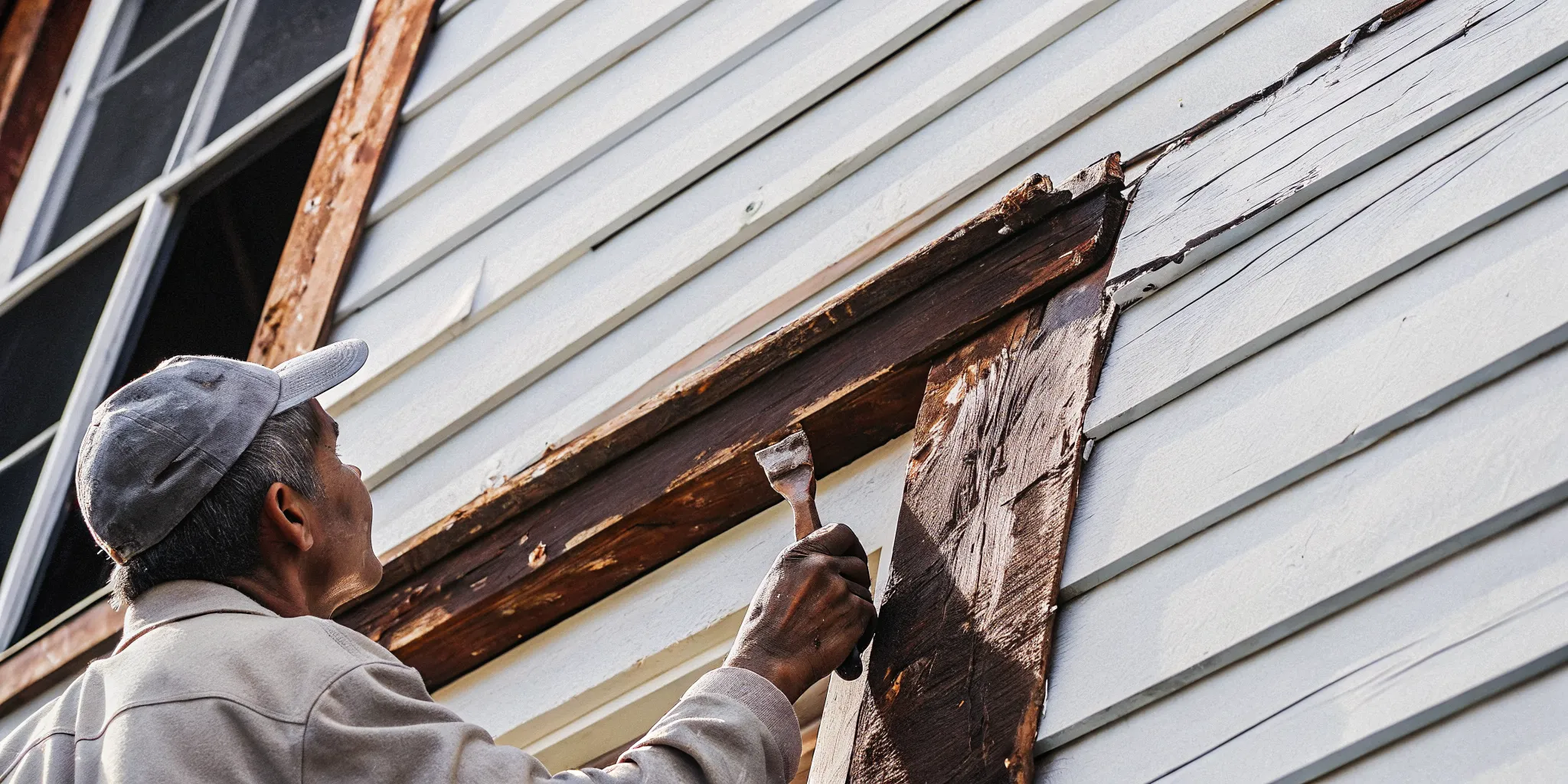
Paint that flakes, peels, or blisters is a clear sign of trouble. This happens when the paint loses its grip on the surface. Moisture trapped under the paint often causes these problems. It can also result from poor surface prep or applying new paint over old, dirty surfaces.
These issues are not just cosmetic. They expose your home’s siding to direct weather. This increases the risk of water damage or wood rot. Prompt repainting can prevent more extensive repairs later.
Chalking and Fading
Notice a powdery residue when you run your hand across your home’s exterior? This is chalking, a common sign of paint breakdown. It means the paint binders are failing, releasing pigment particles. While some chalking is normal, too much indicates it’s time to repaint.
Fading is another common issue, especially on south- and west-facing walls. These areas get the most direct sunlight. UV rays break down paint pigments over time. Faded paint looks dull and can make your home seem older than it is. It also means the paint is losing its protective qualities. If you observe any of these warning signs, Faros Construction Services can perform a comprehensive inspection of your home’s siding and provide a detailed plan for restorative prep and painting.
Cracking and Deterioration
Hairline cracks can grow into larger ones, letting moisture seep in. As cracks expand, they can lead to structural damage beneath the paint. This is often due to the house expanding and contracting with temperature changes. Old paint loses its flexibility and cannot handle these shifts.
Beyond cracks, look for mildew, mold, or staining. These indicate moisture problems and paint failure. Repainting with quality, mildew-resistant paint can help. Addressing these signs ensures your home remains protected and looks its best for years to come. Understanding Denver’s specific weather challenges is key to maintaining your exterior. Regular inspections help catch issues early. This protects your investment and boosts curb appeal.
Why Is Meticulous Pre-Painting Preparation Vital for Denver Homes?
For any exterior paint job, especially in Denver’s climate, good preparation is key. The lifespan of your paint depends heavily on how well the surfaces are prepared. Professionals follow a clear sequence of steps to make sure paint lasts longer and looks better.
Skipping even one step can lead to early paint failure. Proper surface prep prevents common issues like peeling, cracking, and blistering. This attention to detail saves time and hassle over the long term, ensuring the finish remains durable. At Faros Construction Services, we prioritize meticulous preparation because we know it represents ninety percent of a paint job’s durability.
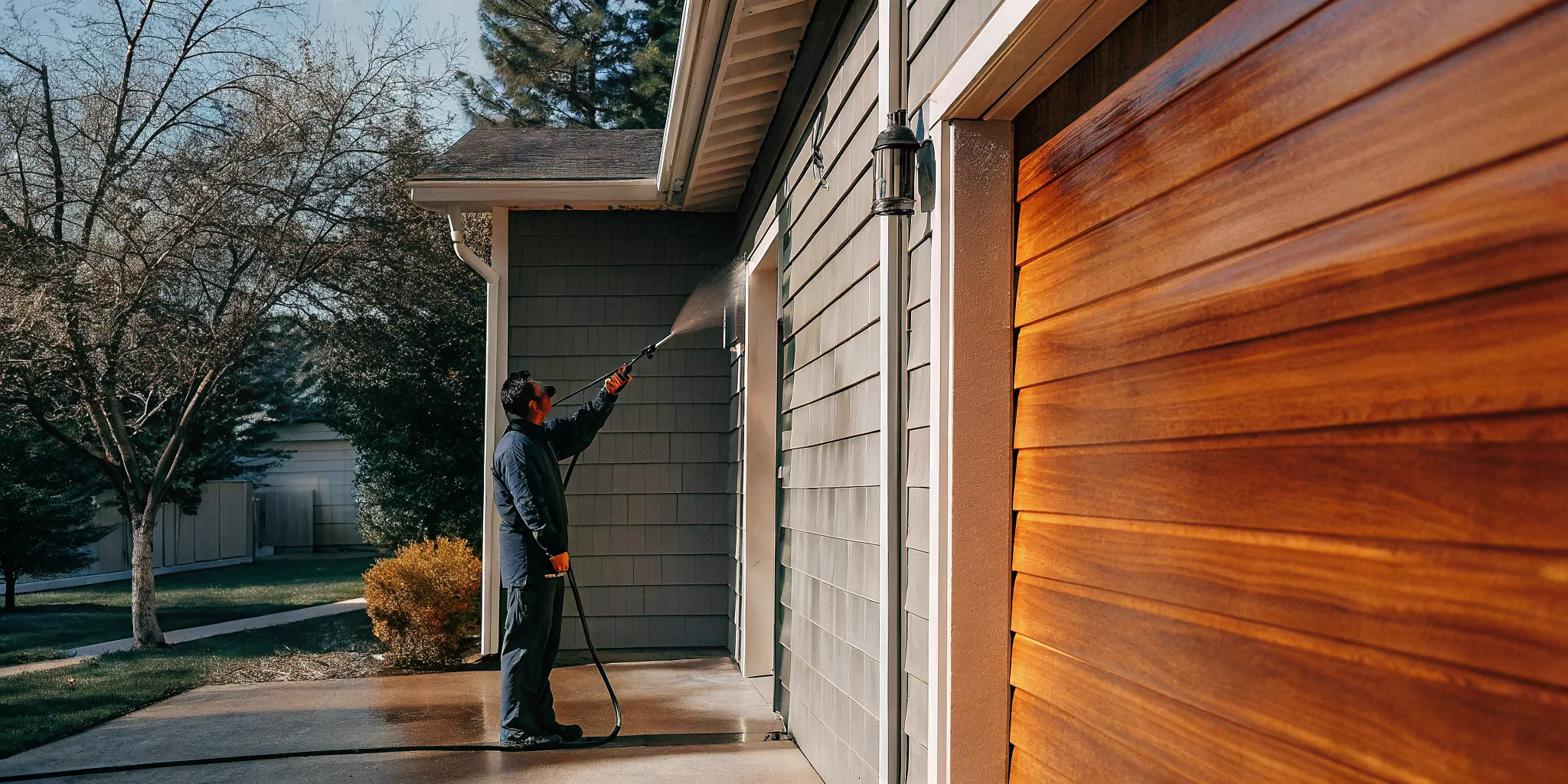
- Deep Cleaning and Power Washing: The first step is always a thorough cleaning of your home’s exterior surfaces. Over time, dirt, grime, mildew, and loose chalky paint build up on the siding. Power washing is used to remove these elements. This thorough wash creates a clean, sound surface for the new paint to bond with properly. And it also helps painters spot any hidden wood damage or rot that needs repair.
- Surface Scraping and Sanding: Once the surfaces are dry, any loose, flaking, or peeling paint must be scraped away. Following this, professional painters use sanding equipment to smooth out the rough edges left behind by the scraping process. Sanding creates a uniform and seamless profile, which ensures that the new topcoat lies perfectly flat and does not highlight any underlying imperfections.
- Siding and Trim Repairs: Any damaged wood siding, rotting boards, or cracked trim must be repaired or replaced before paint application. Painting over rotting wood is a temporary fix that will quickly fail. Replacing these boards ensures the structural integrity of your home remains sound. This provides a solid foundation for the new paint to adhere to for years to come.
- Applying a High-Quality Primer: Priming is a crucial step that significantly improves paint adhesion and coverage. It seals porous siding materials, blocks wood tannins or stains from bleeding through, and provides a consistent base for the topcoat. Different primers are selected based on the specific material of your home, such as wood, metal, stucco, or masonry.
- Caulking and Sealing Joint Gaps: Following priming, high-quality exterior caulk is used to fill gaps and cracks around windows, doors, trim, and joint lines. This critical sealing step prevents moisture from seeping behind the siding where it can cause rot and paint blistering. Proper caulking also protects against drafts, which helps maintain indoor temperature and adds to the home’s overall energy efficiency. To extend your paint’s life, consider the EPA guidelines.
Frequently Asked Questions About Denver House Painting
How do Denver’s intense sun and weather affect paint longevity?
Denver’s high altitude means stronger UV radiation, which significantly fades and breaks down exterior paint. Frequent freeze-thaw cycles and strong winds also contribute to wear and tear. These harsh conditions often reduce paint life compared to milder climates, making durable, high-quality paint crucial for lasting protection. Proper preparation and application are also key.
What paint types last longest in Denver’s climate?
Acrylic latex paints are generally recommended for Denver’s climate due to their flexibility and resistance to cracking, fading, and moisture. They expand and contract well with temperature changes. High-quality 100% acrylic paints offer superior durability and UV protection, often lasting 10-15 years or more when applied correctly. Oil-based paints are also durable but can become brittle.
Can proper surface preparation extend exterior paint life in Denver?
Yes, proper surface preparation is critical for maximizing paint longevity. This includes thorough cleaning, scraping loose paint, sanding rough spots, and applying a quality primer. A well-prepared surface ensures strong paint adhesion, preventing peeling and blistering, which are common issues in Denver’s fluctuating weather. Skipping these steps can significantly shorten paint life.
What is the typical lifespan for exterior paint in Denver?
In the Denver metro area, exterior house paint typically lasts 7-10 years. However, high-quality paints, meticulous surface preparation, and professional application can extend this to 10-15 years or even longer. Factors like direct sun exposure, extreme weather, and maintenance habits greatly influence how long the paint endures. Regular inspections help maintain its appearance and protection.
Are there specific paint colors that last longer in direct Denver sun?
Lighter paint colors tend to absorb less UV radiation, which can help them last longer and resist fading more effectively in Denver’s intense sun. Darker colors absorb more heat and UV, leading to faster degradation and color fade. While choosing lighter shades offers a slight advantage, paint quality and UV resistance are more significant factors.
Ready to Schedule Your Denver Exterior Painting Consultation?
Delaying a paint job can lead to more expensive structural repairs later. Harsh Denver weather conditions quickly degrade old paint, exposing your home to damage. Act now to protect your investment and maintain curb appeal.
Ready to schedule a free exterior repainting consultation and get a professional home inspection with Faros Construction Services today? Call Faros Construction Services at (720) 594-5604 or contact our owner-led team in the Denver Metro Area to get started on your painting project.