
Heavy clay soil in the Denver Metro Area expands and contracts with every season. This movement affects how long your new patio will last. When deciding between concrete vs pavers patio Denver options, you need to understand which material handles these conditions best.
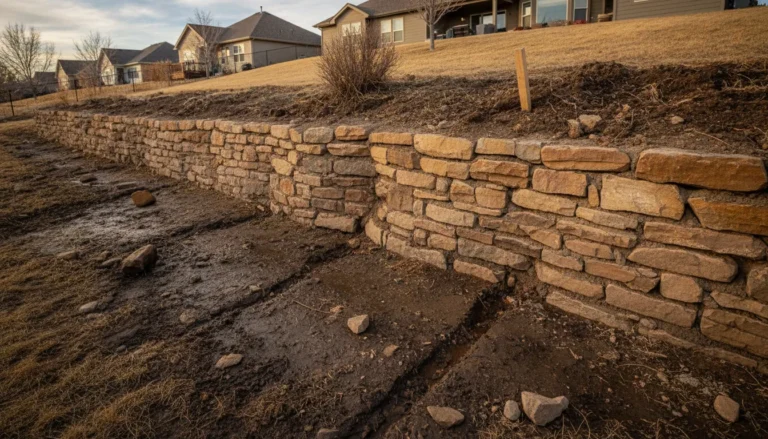
The Denver Metro Area deals with extreme freeze-thaw cycles and shifting clay soil. Concrete resists heavy weight but can develop cracks as the ground moves. Individual pavers flex independently, which helps prevent major breaks. Flagstone offers a high-end look with superior longevity. Each material provides unique value based on your specific needs.
Schedule your free patio consultation with the Faros team today and get expert advice on the best material for your Denver home.
Selecting the right material ensures your outdoor space stays beautiful for decades. Each choice has different upkeep needs and climate performance. Let us examine the most popular option first.
Concrete Patios: What Denver Homeowners Should Know
Choosing between a poured slab and individual stones comes down to how each material handles the local weather. Knowing the real investment and long-term care needs helps you avoid surprises later.
Investment and Long-Term Value
Basic broom-finish concrete runs about $8 to $15 per square foot installed. Stamped concrete that mimics stone patterns runs roughly $20 per square foot. These figures make concrete the most budget-friendly option upfront. However, in Colorado’s climate, concrete can crack as the ground shifts during freeze-thaw cycles. Most contractors do not offer warranties on concrete slabs because some cracking is expected. Repairing cracks often means removing and replacing large sections. For homeowners on a strict budget who plan to stay in their home for fewer than 10 years. Concrete often provides the best value because the lower upfront investment aligns with the shorter ownership timeline.
Colorado weather’s impact on concrete means proper installation is critical. A well-compacted sub-base with rebar reinforcement helps manage the stress. A concrete patio lasts 15 to 25 years in this region when installed correctly.
Design Options
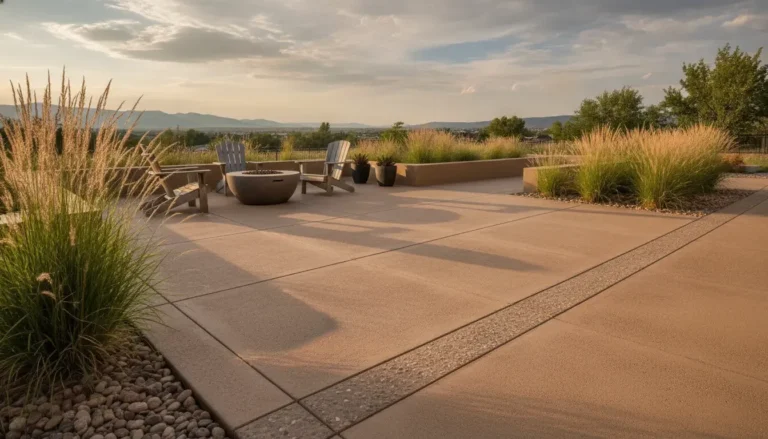
Concrete offers the most freedom when it comes to shape. You can pour it in curves, circles, or any custom layout. Stamped concrete adds texture and can mimic natural stone, slate, or wood planks. However, stamped concrete gets slippery when wet. This is a real concern during Denver’s icy winter months. Installation usually finishes in one to two weeks. The process includes site prep, forming, pouring, and curing. Colorado’s weather can delay the pour if rain or snow is in the forecast.
- Upfront range: $8-$15 per square foot for basic finishes
- Lifespan: 15-25 years with proper installation
- Best for: Budget-conscious projects, curved layouts, quick installs
- Trade-offs: Prone to cracking in freeze-thaw, no standard warranty, slippery when wet
How Much Do You Pay for a Paver Patio Compared to Concrete in Denver?
Explore custom paver designs for your Denver outdoor space and discover why flexible paving stones outperform solid slabs in Colorado’s climate.
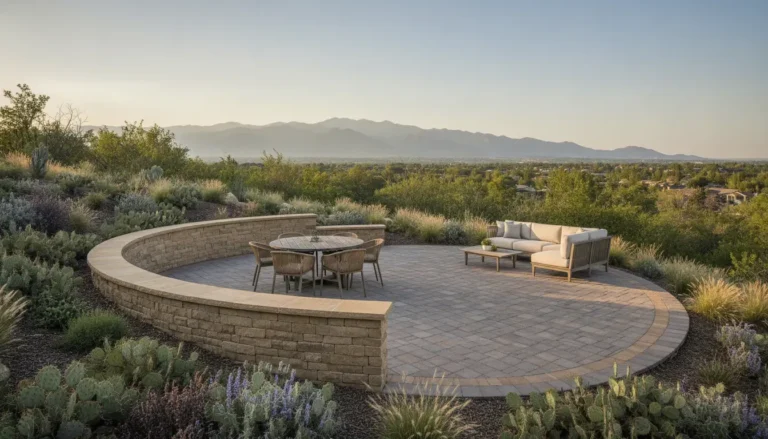
A paver patio offers a high-end look and strong value for Denver homeowners. The initial investment runs about $12 to $22 per square foot. These surfaces often last 25 years or more due to how individual units handle ground movement. Because individual pavers distribute weight across the entire installed area, they resist cracking better than poured slabs. Homeowners who plan to stay in their home for the long term often find that the higher upfront investment pays off through fewer repairs over the life of the patio.
- Site preparation. The contractor excavates the area to the proper depth, typically 7 to 9 inches, to accommodate the base layers.
- Base installation. A compacted gravel base is laid and leveled to create a stable foundation that resists shifting.
- Bedding sand. A thin layer of sand is spread and screeded to create a smooth surface for the pavers.
- Paver placement. Individual pavers are laid in the chosen pattern, either by hand or with mechanical assistance for large areas.
- Edge restraint. Plastic or concrete borders are installed around the perimeter to prevent the pavers from spreading.
- Joint filling. Polymeric sand is swept into the gaps and activated with water to lock the pavers in place.
- Sealing. A protective sealant is applied to enhance color and protect against stains and UV fading.
Handling the Colorado Climate
In the Denver Metro Area, clay soil expands and contracts across seasons. Individual paver units flex during freeze-thaw cycles, preventing the cracking common with solid slabs. If a piece shifts over time, you can lift and reset that one area without disturbing the rest. Many hardscape services in Denver include a warranty of 15 to 20 years.
Style and Visual Options
Pavers provide the widest choice of colors, shapes, and patterns. You can pick from brick looks, large modern slabs, or units that mimic natural stone. Mix different sizes to create unique borders or focal points. Use polymeric sand in the joints to prevent weeds and ant hills. Seal the patio every three to five years to keep the colors bright and protect against stains. A well-maintained paver patio retains its appearance for decades with minimal annual effort from the homeowner. 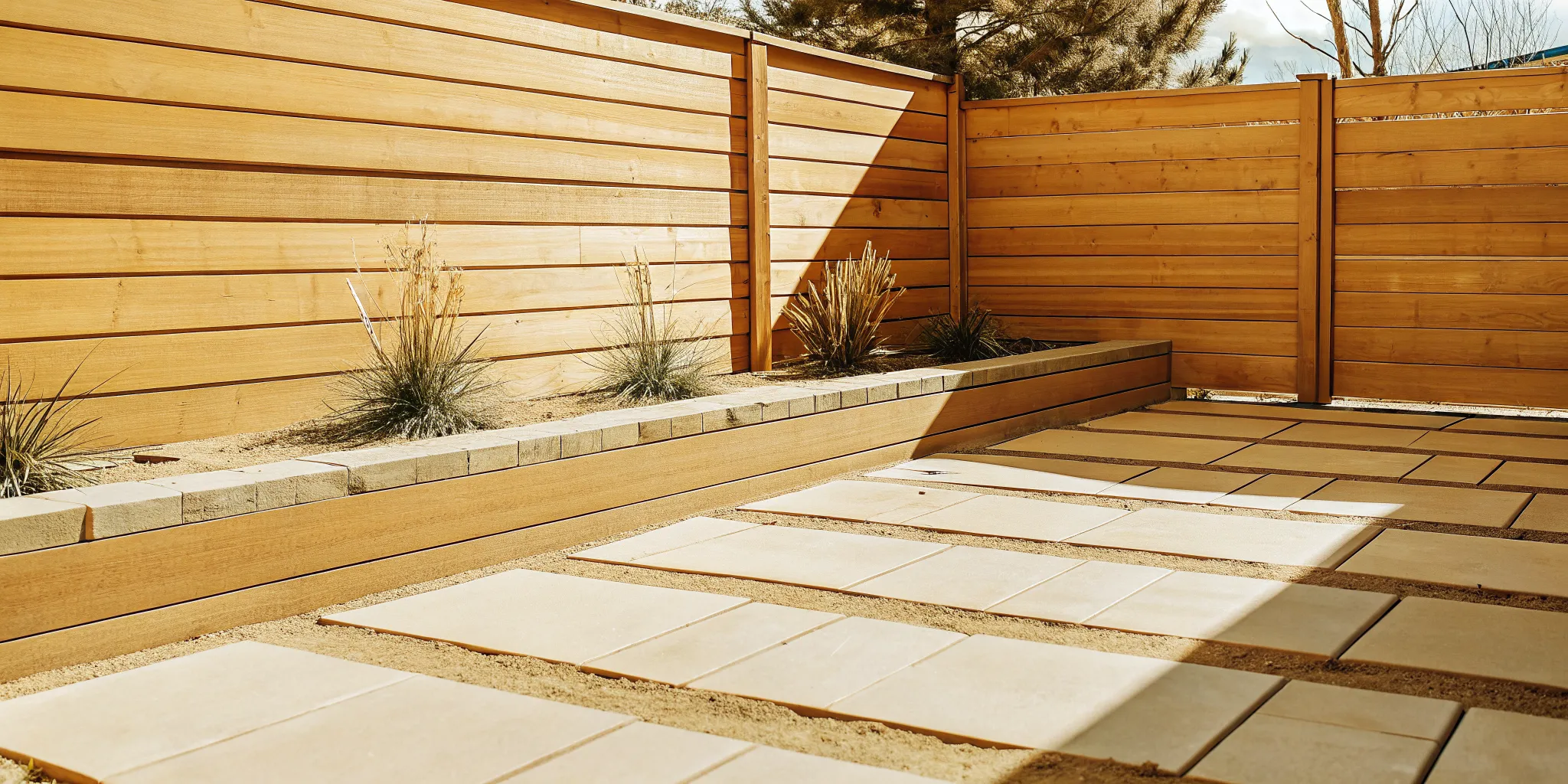
Flagstone Patios: Premium Natural Beauty
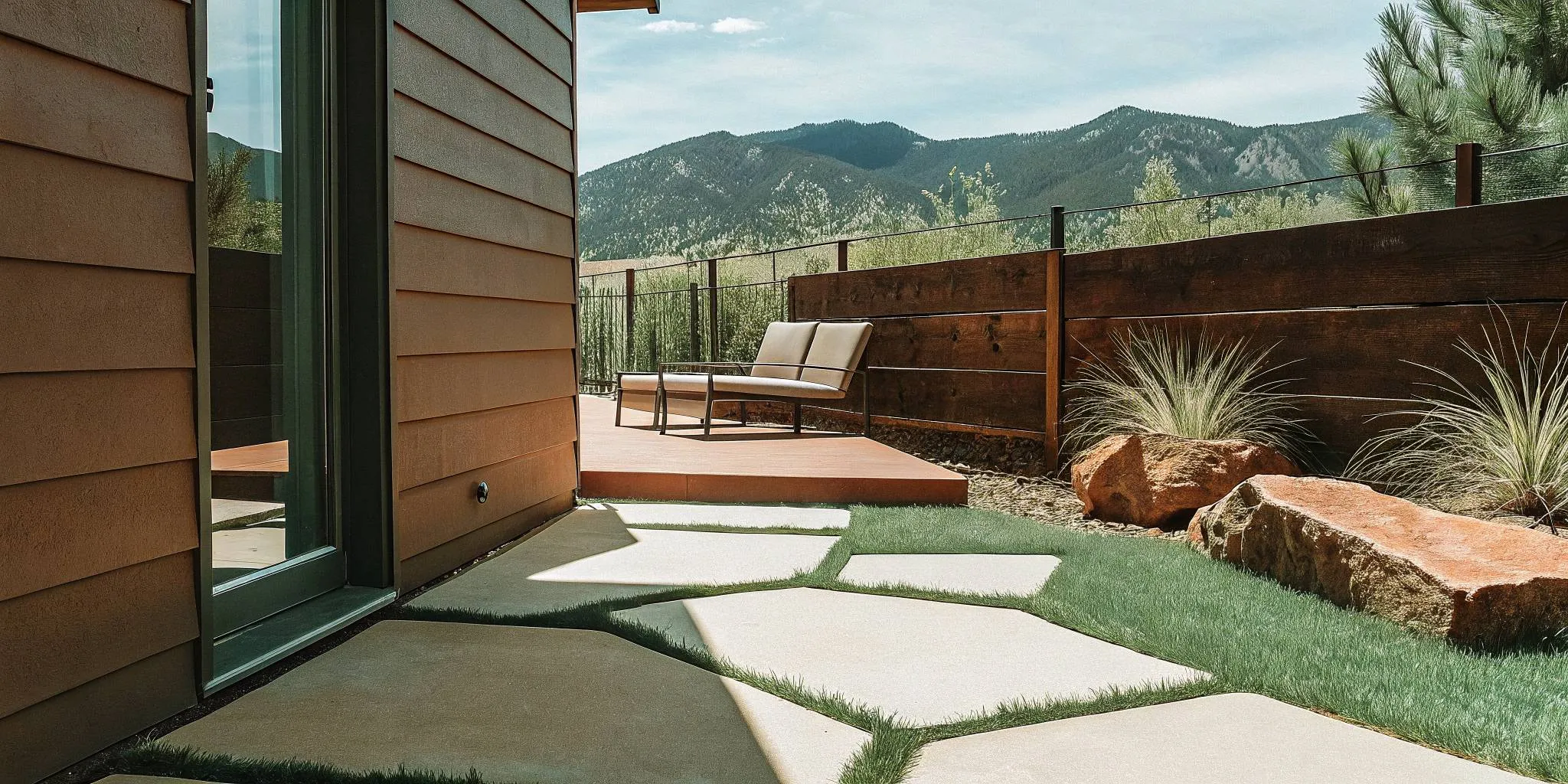
Flagstone is the top choice for a distinctive Denver Metro Area patio. Each piece of stone is one of a kind, creating a high-end look that other materials cannot match. The initial investment for flagstone is higher at $15 to $30 per square foot. However, it offers the best long-term value with a patio that blends naturally into your landscape. The natural color variations in flagstone help hide dirt and wear, which means less frequent cleaning compared to lighter man-made surfaces. Many Denver homeowners choose flagstone when they want a permanent outdoor living space that adds resale value to their property.
Handling the Local Climate
Denver’s clay soil expands and contracts as seasons change. Flagstone handles expansive soils well because each stone shifts independently. Unlike a solid concrete slab, natural stone does not fight the ground when it moves. This flexibility makes it a top pick when evaluating Colorado weather’s impact on concrete versus natural alternatives.
A Lasting Outdoor Space
A flagstone patio is a lifetime choice. These surfaces often last 50 years or more, far exceeding other materials. Natural stone resists wind, sun, and rain. Simple cleaning keeps your Denver hardscape installation looking great for decades.
Planning Your Flagstone Patio
Installing flagstone requires significant skill. The Faros team prepares a deep, stable base to keep the stones level and fits each piece like a puzzle. The result blends beautifully with garden beds, fire pits, and water features.
Concrete vs Pavers vs Flagstone: Side-by-Side Comparison
This table puts concrete, pavers, and flagstone head to head across the factors that matter most to Denver homeowners. Use it as a quick reference guide.
| Factor | Concrete | Pavers | Flagstone |
|---|---|---|---|
| Upfront Investment | $8-15/sq ft (basic) $20/sq ft (stamped) | $12-22+/sq ft | $15-30+/sq ft |
| Lifespan | 15-25 years | 25+ years | 50+ years |
| Freeze-Thaw Resistance | Low — cracking expected | Good — individual units flex | Excellent — natural stone shifts independently |
| Maintenance | Power wash, reseal every 2-3 years (stamped) | Re-sand joints, seal every 3-5 years, weed control | Minimal — occasional cleaning |
| Design Variety | Maximum shape flexibility, stamped mimics stone | Widest color/pattern/shape options | Unique, natural, one-of-a-kind appearance |
| Installation Time | 1-2 weeks | 1-3 weeks | 2-4 weeks |
| Warranty | Rarely offered | 15-20 years typical | Not needed (material lifetime) |
| Repairability | Difficult — may require full section replacement | Easy — individual units replaceable | Moderate — individual stones can be reset |
Concrete wins on upfront investment and shape flexibility. Pavers offer the best balance of durability, design options, and repairability. Flagstone delivers unmatched beauty and a truly permanent outdoor surface.
How Does Denver’s Climate Affect Your Patio Material Choice?
The Denver Metro Area presents unique challenges for any outdoor surface. With over 300 days of sunshine each year, your patio must withstand intense UV exposure. The real test comes from Colorado’s freeze-thaw cycles that put constant stress on building materials.
Why Local Clay Soils Matter
Most yards in the region have high clay content. This soil expands when wet and shrinks when dry. This movement makes proper drainage for outdoor surfaces a top priority. Without it, shifting ground leads to uneven surfaces or structural damage.
Concrete Performance in Freeze-Thaw Conditions
Concrete is popular for its clean look and shape flexibility. However, with frequent frost, concrete is almost certain to develop cracks over time. Control joints guide these cracks, but a rigid slab does not handle ground heave well. A compacted base helps the material survive, but it is not a guarantee. Concrete patios in Denver require more maintenance attention than flexible alternatives to keep them looking their best through seasonal ground shifts.
Why Pavers and Flagstone Flex With the Ground
Pavers are individual units that flex as clay soil expands or shrinks. This reduces the risk of large cracks forming. Single pieces can be lifted and reset without a full tear-out. Flagstone, like pavers, shifts independently during freeze-thaw cycles and handles the local climate exceptionally well for 50-plus years.
Choosing the Right Patio Material for Your Denver Home
Selecting the concrete vs pavers patio Denver material for your new outdoor space depends on your specific goals. Every homeowner has different priorities for budget, upkeep, and aesthetics.
Prioritizing Budget and Speed
If you need a fast and affordable solution, concrete is often the top pick. Simple broom-finish concrete runs about $8 to $15 per square foot and offers the most flexibility for unique shapes. Most concrete services in Denver can finish a project in one to two weeks.
Seeking Design Variety and Flexibility
Homeowners who want more style options often choose pavers. These units come in a wide range of colors and patterns. In Colorado’s climate, pavers flex as the ground moves and resist cracking better than solid slabs. Individual units can be replaced quickly if damaged.
Investing in Natural Beauty and Longevity
For a premium outdoor space that lasts a lifetime, flagstone is the superior choice. Natural stone handles freeze-thaw cycles exceptionally well. A flagstone patio can last 50 years or more. If you are ready to move forward, the Faros team offers hardscape and landscape contractor services to help create the perfect outdoor living space.
Frequently Asked Questions About Patio Materials in Denver
Still have questions about choosing the right patio material? Here are answers to the most common questions Denver homeowners ask.
Which is cheaper, a concrete patio or pavers?
Basic concrete is more affordable upfront at $8 to $15 per square foot versus $12 to $22 for pavers. Stamped concrete runs about the same as mid-range pavers. Over the long term, pavers are more economical because they carry warranties and individual units can be replaced without removing the entire patio.
What lasts longer, concrete or paver patios in Colorado?
Paver patios generally last longer in Colorado’s climate. Pavers last 25 years or more because each unit flexes during freeze-thaw cycles. Concrete lasts 15 to 25 years but develops cracks from ground movement. Flagstone lasts the longest at 50-plus years with a higher upfront investment.
Do concrete patios crack in Denver’s weather?
Yes, concrete is very likely to develop cracks in the Denver Metro Area due to freeze-thaw cycles and clay soil movement. Steel reinforcement and expansion joints help manage cracking but do not prevent it. Most contractors do not offer warranties on concrete patio installations for this reason.
How much does a 20×20 paver patio run in Denver?
A 20×20 foot paver patio covers 400 square feet. At typical Denver-area rates of $12 to $22 per square foot, you can expect to pay between $4,800 and $8,800 for a basic paver installation. Premium materials, complex patterns, and site preparation can push the total higher.
Is stamped concrete or pavers better for Denver patios?
Pavers are generally better for Denver patios because they handle freeze-thaw movement without cracking. Stamped concrete offers a similar look at a lower upfront investment but is prone to cracking and becomes slippery when wet. Pavers are the smarter choice for Colorado’s climate.
Schedule your free patio consultation today and let the Faros team help you select the perfect material for your Denver outdoor living space.