
Renovating a home in the Denver metro area comes with its own unique set of opportunities and challenges. Many of our beautiful older homes have great bones but need significant updates to their layouts and systems to work for modern life. This is why the full gut renovation cost per square foot here can vary so widely, often from $100 to $400+. This range reflects everything from local labor rates to the complexities of bringing a historic property up to current building codes. As a local builder, we understand this market inside and out. This guide is designed to give you a clear, Denver-focused look at what a gut renovation really costs, helping you plan your project with the confidence that comes from having expert, local insights.
Key Takeaways
- Account for the Full Financial Picture: A realistic budget for a Denver gut renovation ($100-$400+ per sq. ft.) goes beyond labor and materials. Be sure to include a 10-20% contingency fund for surprises, plus costs for permits and temporary living arrangements.
- Control Costs with Smart Selections: Your final price tag is driven by your choices in materials and the complexity of structural changes. You can manage your budget by splurging on high-impact features while choosing more cost-effective options for less critical areas.
- Invest in a Plan and a Professional: The best way to prevent expensive changes and delays is to finalize all your decisions before demolition begins. Partnering with an experienced local contractor provides the expert guidance needed to keep your project on schedule and within budget.
What Exactly Is a Gut Renovation?
If you’ve ever watched a home improvement show, you’ve probably heard the term “gut renovation.” But what does it actually mean? A gut renovation is one of the most extensive remodeling projects you can undertake. It involves stripping a house down to its basic structure—the studs—and essentially rebuilding the entire interior from scratch. This isn’t about simple cosmetic updates like a new coat of paint or updated light fixtures. We’re talking about a complete transformation.
Think of it as hitting the reset button on your home’s interior. Everything from the walls and flooring to the plumbing and electrical systems is removed and replaced. This process allows you to completely reconfigure the layout, improve the home’s flow, and update every single finish to your exact specifications. It’s an opportunity to create a brand-new home within the shell of the old one, addressing deep-seated issues and modernizing the space for how you live today. While it’s a major undertaking, a gut renovation can turn a dated or dysfunctional house into your dream home.
What a Gut Renovation Includes
A gut renovation is a top-to-bottom project that covers nearly every aspect of your home’s interior. The process starts with complete demolition, where we take the space down to the studs. From there, the project typically includes major structural changes like moving or removing walls to create an open-concept living area. It also involves installing entirely new systems, including all the electrical wiring, plumbing lines, and a modern HVAC system for heating and cooling. You can also expect a new roof, new windows, and new doors, followed by all-new interior finishes like drywall, flooring, kitchen cabinets, bathroom fixtures, and fresh paint.
Is a Gut Renovation Right for Your Home?
Deciding on a gut renovation is a big step. It’s a significant investment, and costs can vary widely depending on your home’s size, the project’s scope, and the materials you choose. Nationally, these projects often range from $100 to $200 per square foot, but every home is unique. This path is often perfect for homeowners who love their location but feel the house itself is outdated, inefficient, or has a layout that just doesn’t work. If your home has good bones but needs a complete functional and aesthetic overhaul, a gut renovation might be the perfect solution. The best first step is to schedule a consultation to discuss your vision and see what’s possible.
How Much Does a Gut Renovation Cost Per Square Foot?
When you’re planning a major home transformation, the first question is almost always about the budget. Using a cost-per-square-foot estimate is a great way to get a ballpark figure, but it’s important to remember that it’s just a starting point. This number bundles together all the costs—from demolition and framing to new plumbing and high-end finishes—and divides them by your home’s total square footage.
Think of it as a helpful guide, not a fixed price. The final cost depends on your specific choices, the condition of your home, and the scope of your project. Let’s break down what you can expect, from national trends to the specifics of renovating in the Denver metro area.
A Look at National Averages
Across the country, most homeowners can expect to spend between $100 and $200 per square foot for a complete gut renovation. This range typically covers all the essentials, including labor and standard-grade materials needed to take your home down to the studs and build it back up.
This national average provides a solid baseline for what a project of this scale involves financially. However, it doesn’t account for regional differences in labor costs, material availability, or local building codes. For anyone in Colorado, it’s crucial to look at numbers that reflect our unique market.
What to Expect in the Denver Metro Area
Here in the Denver metro area, the cost for a gut renovation is a bit wider, generally falling between $100 and $400+ per square foot. Why the bigger range? Denver’s booming housing market, the prevalence of older homes requiring significant updates, and higher labor costs all contribute. The specific neighborhood you live in can also play a role.
A project on the lower end of this scale might involve more straightforward layouts and standard finishes. As you move toward the higher end, you’re looking at luxury materials, complex structural changes, and custom features. Our team has experience with all types of comprehensive remodels and can help you understand where your project might land on this spectrum.
How Home Size Impacts Your Budget
It seems simple: a bigger house means a bigger budget. While that’s generally true, the relationship isn’t always linear. The total cost of your renovation will certainly be higher for a larger home, but the cost per square foot can sometimes decrease slightly due to economies of scale. Buying materials in bulk and scheduling trades for a longer project can create efficiencies.
A gut renovation budget includes everything from demolition and structural work to new electrical, plumbing, and HVAC systems, plus all the finishes and appliances. The complexity of the work is just as important as the size. A 2,000-square-foot home with a simple, open layout may cost less per square foot to renovate than a 1,500-square-foot historic home requiring intricate structural updates.
What Factors Influence Your Renovation Cost?
While the cost-per-square-foot gives you a ballpark figure, the final price tag on your gut renovation depends on several key variables. Think of it less as a fixed price and more as a starting point that you can adjust based on your home’s specific needs and your personal style. Understanding these factors will help you create a more accurate budget and make informed decisions with your contractor. From the materials you choose to the complexity of the work, every choice has an impact on the bottom line.
Home Size and Layout
It’s no surprise that the bigger the house, the more the renovation will cost. The total square footage directly impacts the amount of materials needed and the hours of labor required. For a whole-house transformation in Colorado, homeowners often spend between $100 and $400 per square foot. But it’s not just about size; the layout matters, too. A home with many small, closed-off rooms will require more demolition and reconstruction than an open-concept space. As a home builder, we know that reconfiguring a floor plan is more involved than simply updating surfaces, which adds to the overall project cost.
Your Choice of Materials and Finishes
This is where your personal taste really comes into play—and where your budget can fluctuate the most. The finishes you select for your kitchen, bathrooms, and living spaces are major cost drivers. For example, choosing high-end custom cabinetry, marble countertops, and luxury vinyl plank flooring will be significantly more expensive than opting for stock cabinets, laminate counters, and basic tile. The final price tag largely depends on the quality of materials you choose. You can explore our past projects to see how different material choices come together to create a beautiful, finished space.
The Need for Structural Changes
If your renovation plans involve more than cosmetic updates, be prepared for a higher budget. Removing walls to create an open floor plan, adding new windows, or altering the roofline are all considered structural changes. This type of work is more complex and expensive because it often requires an engineer’s approval, specialized labor, and more extensive permitting. These big changes can also carry a significant emotional impact, as you’re fundamentally altering the home you know. Working with an experienced team helps manage both the financial and emotional sides of making major structural modifications.
Denver’s Local Labor and Material Costs
Where you live plays a big role in renovation costs, and the Denver metro area is a competitive market. Local labor rates for skilled tradespeople like electricians, plumbers, and carpenters will be factored into your total cost. Material prices can also vary based on local supply and demand. In fact, Denver homeowners often lead the nation in renovation spending, partly due to these local market conditions. The best way to get a precise understanding of these costs for your project is to schedule a consultation with a local contractor who can provide a detailed, transparent estimate based on current rates.
Gut Renovation vs. Other Project Types
Deciding on a gut renovation means you’re ready for a major transformation, but it’s not the only path to a better home. Understanding how it compares to other projects can help you clarify your goals and budget. Whether you’re dreaming of a new kitchen or a completely new house, knowing the differences will help you make the right call for your property in the Denver metro area.
Gut Reno vs. a Partial Remodel
The biggest difference here is scope. A partial remodel focuses on one or two specific areas, like updating a bathroom or overhauling a kitchen. It’s a fantastic way to refresh key parts of your home without disrupting everything. A gut renovation, on the other hand, is a complete teardown of the interior. We’re talking walls, floors, plumbing, and electrical—the works. While a full gut renovation can cost between $100 and $200 per square foot, a partial remodel will have a much smaller, more contained budget. If you love your home’s layout but just want to modernize certain spaces, a partial remodel is likely your best bet.
Gut Reno vs. Building New
This is where the lines can get a little blurry. Gutting and remodeling an existing house is often cheaper than tearing it down and building a brand-new one from scratch. You get to keep the home’s “bones” and character while completely customizing the inside. However, if your renovation uncovers major, unexpected problems like a crumbling foundation or widespread rot, the costs can quickly climb and sometimes even match the price of a new build. The choice often comes down to whether you want to preserve the soul of your current home or start with a completely clean slate. A trusted home builder can help you weigh the structural and financial realities of both options.
When Building New Makes More Sense
Sometimes, a gut renovation just isn’t the most practical choice. If the home’s foundation is failing, the framing is compromised, or the layout is so fundamentally flawed that you’d need to move most of the structural walls, building new might be the smarter path. Denver homeowners are known for investing heavily in their properties, but at a certain point, you have to ask if you’re putting money into a structure that can’t support your vision. If the cost of repairs plus the renovation starts to exceed the cost of a new build, it’s time to seriously consider starting over. An expert consultation can give you a clear picture of which approach offers the best long-term value.
Don’t Forget These Hidden Renovation Costs
Even the most carefully planned budget can be thrown off by unexpected issues that pop up once demolition begins. While a great contractor will help you anticipate potential problems, some things simply can’t be seen until you open up the walls. Being aware of these common “hidden” costs from the start helps you build a more realistic budget and a stronger contingency fund, ensuring surprises don’t derail your project.
These are some of the most frequent unexpected expenses that can arise during a gut renovation. Knowing about them ahead of time is the best way to prepare for a smoother, less stressful process.
Upgrading Electrical and Plumbing to Code
When you strip a house down to the studs, you’re often required to bring everything up to current building codes. For older Denver homes, this almost always means significant electrical and plumbing work. The original systems were not designed to handle the demands of modern appliances and electronics. Upgrading involves more than just new fixtures; it can mean replacing old wiring and pipes throughout the house to ensure your home is safe and functional for years to come. This is a crucial investment in your home’s safety and long-term value.
Fixing Foundation or Structural Issues
You never truly know what’s behind the drywall until it’s gone. Sometimes, demolition reveals serious underlying problems like a cracked foundation, termite damage, or rotted structural beams. These issues must be addressed before any new work can begin. According to one report, foundation repairs alone can cost thousands of dollars, depending on the severity of the problem. While discovering a structural issue is stressful, a gut renovation is the perfect time to fix it correctly, ensuring your home rests on a solid, stable base. An experienced home builder can assess these problems and integrate the repairs into the renovation plan.
Navigating Permits and Inspections
Every major renovation requires building permits to ensure the work is done safely and meets local regulations. The costs for these permits can add several hundred to a few thousand dollars to your total budget before any work even starts. The process involves submitting plans, paying fees, and scheduling inspections at various stages of the project. While your contractor will manage the logistics, it’s important to account for these administrative costs in your initial budget. You can learn more about the requirements by reviewing the City of Denver’s residential permit guidelines.
Dealing with Asbestos or Lead
Many homes built before the 1980s contain hazardous materials like asbestos in insulation or flooring and lead in old paint. If these materials are discovered during demolition, they must be handled and removed by certified professionals to protect your family and the construction crew. This specialized abatement process is not part of a standard demolition budget and can add a significant, non-negotiable expense. The EPA has strict rules for renovating spaces with lead paint, and proper removal is essential for a safe living environment.
Where Does the Money Go? A Budget Breakdown
When you’re planning a full gut renovation, it’s easy to focus on the final look—the beautiful new kitchen or the spa-like bathroom. But understanding where your money is actually going is the key to a successful project without surprise costs. A renovation budget is a puzzle with many pieces, and each one plays a vital role in bringing your vision to life. Think of it as a pie chart: some slices, like finishes, are large and exciting, while others, like mechanical systems, are essential but less visible.
Breaking down your budget helps you see the full picture. You can make informed decisions about where to splurge and where to save. For example, you might prioritize high-end kitchen appliances but choose more cost-effective flooring for the bedrooms. It also highlights the importance of the home’s foundational elements, like plumbing and structural support, which are critical for safety and longevity. A detailed breakdown from an experienced contractor is the best way to get a clear financial roadmap for your specific project. We can help you create a transparent budget that aligns with your goals for your Denver home.
Interior Finishes and Fixtures
This is where your personal style truly comes to life, and it’s often the largest portion of your renovation budget. Interior finishes include everything you see and touch, from the flooring under your feet to the light fixtures overhead. Kitchens and bathrooms are the heavy hitters in this category, with costs for custom cabinetry, countertops, tile work, and appliances adding up quickly.
Your material choices will have the biggest impact on this part of your budget. For example, opting for marble countertops will cost significantly more than laminate, and hardwood floors are a bigger investment than luxury vinyl plank. This is the fun part where you get to select the details that make your house feel like a home, and as your home builder, we can guide you toward selections that fit both your aesthetic and your budget.
Mechanical Systems (HVAC, Plumbing, Electrical)
While not as glamorous as picking out new countertops, your home’s mechanical systems are its heart and lungs. This category covers all the essential wiring, pipes, and ductwork that keep your home safe, comfortable, and functional. A gut renovation is the perfect opportunity to replace outdated and inefficient systems. This often includes a full electrical rewiring to meet modern demands, new plumbing lines to prevent future leaks, and an updated HVAC system for better climate control and energy efficiency.
In the Denver metro area, many older homes have systems that no longer meet current building codes. Bringing everything up to standard is a non-negotiable part of the process, ensuring your home is safe for your family for years to come.
Demolition and Structural Work
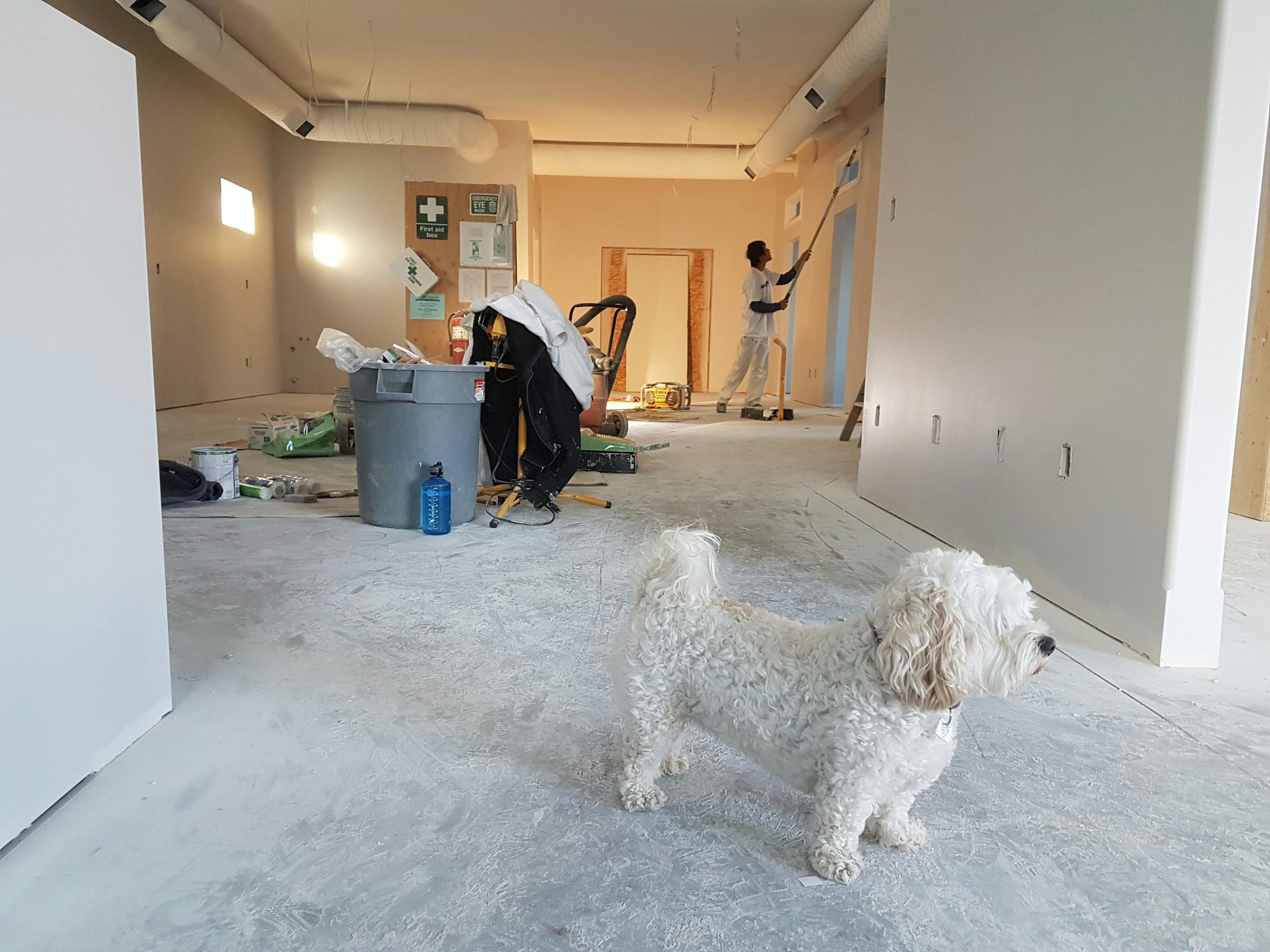
Before you can build your dream space, you have to clear out the old. The demolition phase involves tearing out everything down to the studs—walls, floors, ceilings, and old fixtures. This creates the blank canvas for your new layout. This stage also includes any structural changes you’re planning, like removing a load-bearing wall to create an open-concept living area or reframing walls to change the flow of your home.
This is also the point where unforeseen issues can surface, such as hidden water damage, pest problems, or foundation issues. That’s why having a contingency fund is so important. An experienced team can anticipate potential challenges and handle them efficiently, keeping your project on track. You can see examples of our transformative work on our projects page.
Exterior Upgrades
Curb appeal is more than just a pretty facade; it’s your home’s first impression and its primary line of defense against Denver’s four-season climate. Exterior upgrades can range from new siding and energy-efficient windows to a new roof or a redesigned front porch. These improvements not only enhance the look of your home but also contribute to its overall efficiency and structural integrity, preventing issues like drafts and water intrusion.
This is also a great time to think about how you use your outdoor areas. Adding a deck for summer barbecues or a pergola for shaded relaxation can completely change how you enjoy your property. Investing in well-designed outdoor living spaces extends your home’s functional square footage and adds significant value.
Preparing for the Emotional Side of a Renovation
A gut renovation is a huge undertaking, and the conversation often revolves around budgets, timelines, and materials. But just as important is the emotional journey you’ll go on. It’s completely normal to feel a mix of excitement, stress, and straight-up exhaustion. Understanding that these feelings are part of the process can help you manage them and keep your eyes on the prize: a home that’s beautifully and functionally yours.
Knowing what to expect emotionally is the first step. From the pressure of making countless decisions to the reality of living in a construction zone, being prepared can make all the difference. The key is to remember your “why” and to partner with a team that understands the human side of a renovation. A good contractor isn’t just building a house; they’re helping you build your home.
Handling Stress and Decision-Making
During a gut renovation, you’ll make more decisions than you ever thought possible. What kind of flooring? Which cabinet hardware? Where should the outlets go? This constant stream of choices can lead to decision fatigue, which adds a layer of stress to the entire project. When you’re also trying to stick to a budget, every choice can feel monumental.
To handle the pressure, try to make as many design and material selections as you can before the work begins. This prevents you from having to make rushed decisions under pressure. It’s also important to trust the process and lean on your contractor for guidance. They have the experience to know what works, what doesn’t, and how to get the look you want within your budget.
Living Through the Disruption
There’s no way to sugarcoat it: living through a renovation is disruptive. The noise, dust, and constant presence of people in your space can be challenging, especially when your daily routines are thrown off balance. You might lose access to your kitchen or a bathroom for weeks, which can test anyone’s patience. It’s easy to feel overwhelmed when your home feels more like a chaotic work site than a sanctuary.
To cope, create a construction-free zone in your home where you can retreat from the mess. If possible, plan for some time away during the most intense phases, like demolition. Seeing the beautiful end results of other projects can also be a great motivator, reminding you that the temporary chaos is leading to something wonderful.
Staying Flexible with Timelines and Budgets
Even with the most meticulous planning, unexpected issues can pop up during a gut renovation. A wall comes down and reveals old wiring that needs replacing, or a specific tile is on backorder for weeks. These surprises can affect both your timeline and your budget, causing a lot of anxiety. This is where flexibility becomes your greatest asset.
Building a contingency fund (typically 10-20% of your total budget) is essential for handling these unforeseen costs without derailing the project. It’s also crucial to maintain open and honest communication with your contractor. A professional team will keep you informed of any challenges and work with you to find solutions. When you’re ready to start the conversation, reach out to a contractor who prioritizes clear communication from day one.
How to Create a Realistic Gut Renovation Budget
Creating a budget for a gut renovation can feel like the most intimidating part of the process, but it’s your most powerful tool for a successful project. A realistic budget is more than just a number; it’s a detailed financial plan that accounts for every part of the renovation, from demolition to the final coat of paint. The key is to break it down into smaller, more manageable pieces. By thinking through each category, you can build a comprehensive budget that minimizes surprises and keeps your project on track. This approach helps you make informed decisions and ensures you can afford the beautiful transformation you’re dreaming of for your Denver home.
Setting Your Cost-Per-Square-Foot Goal
A great starting point for your budget is to establish a cost-per-square-foot goal. In our area, Colorado homeowners typically invest between $100 and $400+ per square foot for a full gut renovation. This range is wide because it reflects the vast differences in material quality and project complexity. A budget at the lower end might include standard-grade finishes and keeping the existing layout, while the higher end accommodates luxury materials, custom cabinetry, and significant structural changes. Think about your priorities. Are you dreaming of a chef’s kitchen with high-end appliances? You might allocate a larger portion of your budget there and choose more cost-effective finishes for secondary bedrooms. This helps you find your sweet spot within the typical cost range.
Building a Strong Contingency Fund
If there’s one non-negotiable part of your budget, it’s the contingency fund. This is a pot of money, typically 10% to 20% of your total construction cost, set aside exclusively for surprises. And in a gut renovation, surprises are almost guaranteed. Renovations can bring up a lot of feelings, from excitement to stress, and a healthy contingency fund is your best defense against financial anxiety. This fund covers the unknowns, like discovering old wiring that isn’t up to code or finding hidden water damage behind a wall. It also gives you the flexibility to make a change or upgrade you didn’t anticipate, without derailing your entire budget.
Factoring in Permits and Professional Fees
Your contractor’s estimate covers labor and materials, but it’s not the total cost of the project. You also need to account for permits and professional fees. Depending on your project’s scope, you may need to hire an architect, a structural engineer, or an interior designer. Each of these professionals has their own fee structure. Additionally, any significant renovation in the Denver metro area will require building permits to ensure the work is safe and up to code. The cost of permits varies based on the project’s value and complexity. An experienced home builder will guide you through the permitting process and help you anticipate these essential costs from the beginning.
Planning for Temporary Living Costs
A full gut renovation means your home will be an active construction zone, and it’s usually not possible—or pleasant—to live there during the work. As you build your budget, you need a line item for temporary living arrangements. During the middle stages of construction, many homeowners feel overwhelmed by the disruption to their daily routines, and having a comfortable place to stay can make a world of difference. Calculate the cost of rent for the estimated duration of your project, and don’t forget to add a buffer. You’ll also need to budget for moving your belongings into storage and potentially for an increased food budget if you’re eating out more often.
Smart Ways to Control Your Renovation Costs
A gut renovation is a major financial undertaking, but a sky-high bill isn’t a foregone conclusion. With smart planning and a strategic approach, you can keep your budget in check without compromising on the final result. It’s all about making informed decisions from the very beginning. By focusing on key areas like materials, professional partnerships, and planning, you can steer your project toward a successful and financially sound outcome. These strategies will help you manage expenses effectively, ensuring your investment enhances your home’s value and your enjoyment of it for years to come.
Choosing the Right Materials
Your choice of materials and finishes will have the single biggest impact on your final cost. With homeowners investing anywhere from $100 to over $400 per square foot on remodels, you can see how quickly these selections add up. The key is to find a balance between style, durability, and price. Consider a “high-low” approach: splurge on high-impact items like kitchen countertops or a statement front door, but opt for more budget-friendly (yet still beautiful) choices for things like guest bathroom tiles or closet fixtures. An experienced contractor can be a great resource here, helping you find quality materials that fit your aesthetic and your budget, from custom decks to interior finishes.
Partnering with an Experienced Local Contractor
Choosing the right contractor is less of an expense and more of an investment in cost control. A seasoned local professional understands the Denver market, has established relationships with reliable suppliers, and knows local building codes inside and out, which helps you avoid costly surprises and delays. Given that Denver homeowners invest significantly in their properties, you want a partner who can manage that investment wisely. A great contractor provides a detailed, transparent bid, offers smart solutions to challenges, and keeps the project on track. The right team, like the owner-led experts at Faros, will work with you to protect your budget and deliver lasting results.
Comparing Competitive Bids
It’s always a good idea to get at least three detailed bids for your project, but remember that the goal isn’t just to find the lowest price. A bid that seems too good to be true often is, potentially hiding lower-quality materials, uninsured labor, or an unrealistic timeline that will lead to expensive change orders later. Instead, use the bidding process to find the best value. A quality bid will be thorough, breaking down costs for labor, materials, permits, and fees. This transparency allows you to compare apples to apples and choose a contractor who is honest, capable, and a good fit for your project. Seeing a contractor’s past projects and reviews can also give you confidence in their ability to deliver.
Planning for an Efficient Workflow
A detailed plan is your best defense against budget overruns. The most expensive words in a renovation are “while you’re at it…” because mid-project changes can wreak havoc on your timeline and your wallet. Before any walls come down, work with your contractor to finalize every detail, from the layout and materials to the fixture selections and paint colors. This allows for an efficient workflow where materials are ordered ahead of time, subcontractors are scheduled seamlessly, and the project moves forward with minimal disruption. A well-managed schedule not only gets you back into your home faster but also saves you money on labor and potential carrying costs. A contractor who offers comprehensive services can help you create this kind of airtight plan.
Related Articles
Frequently Asked Questions
What’s the very first step if I’m considering a gut renovation? Before you do anything else, get clear on your goals. Think about what isn’t working in your current home and what you truly need from the new space. Once you have a vision, figure out a realistic budget you are comfortable with, making sure to include a 15-20% contingency fund for surprises. With that clarity, your next move is to schedule a consultation with an experienced local contractor who can help you see if your vision and budget are a good match.
Is a gut renovation a good financial investment? It absolutely can be, especially if you love your neighborhood and plan to stay in your home for the long haul. A gut renovation is an investment in your quality of life, allowing you to create a home that perfectly suits your needs. It can also add significant market value by modernizing a dated property in a great location like the Denver metro area. If your main goal is a quick return, it’s important to carefully weigh the project costs against local home values with your contractor.
How long does a typical gut renovation take from start to finish? The timeline really depends on your home’s size, the complexity of the project, and the local permitting process. A smaller home with a straightforward layout might be finished in a few months, while a larger home requiring major structural changes could take a year or more. A professional contractor will give you a detailed project schedule before any work begins, so you’ll have a clear idea of the timeline from the start.
Can I live in my house during a gut renovation to save money? While it might seem like a practical way to cut costs, living at home during a full gut renovation is almost never a good idea. The process is incredibly disruptive, with constant dust, noise, and a lack of access to essentials like your kitchen or bathrooms for long stretches. For your own safety and sanity, it’s best to plan for temporary housing. Building this cost into your budget from the beginning will save you a lot of stress later on.
Besides the actual construction, what should I expect my contractor to handle? A great contractor is your project manager for the entire renovation. They are responsible for much more than the physical work. They create the detailed schedule, secure all the necessary building permits, hire and manage all the skilled subcontractors like plumbers and electricians, order materials, and make sure every stage of the work passes inspection. Their job is to handle all the complex logistics so you can focus on the design decisions.