
If you are learning how to prepare for a construction consultation in the Denver Metro Area, you do not need a finished plan or every answer before the first meeting. You need a clear picture of what you want to change, what you already know about the property, and which decisions require an experienced contractor’s guidance.
Talk with Faros Construction Services about your construction project.
Written by Ricardo Alfaro, owner and general contractor at Faros Construction Services.
A productive consultation is a working conversation, not a test. The contractor should ask questions, examine the conditions that could affect the work, explain the next steps, and help you separate early decisions from details that can wait. This guide gives Denver Metro Area homeowners and property owners a practical way to arrive prepared without turning the meeting into a paperwork exercise.
How do you prepare for a construction consultation in the Denver Metro Area?
Before a construction consultation, define the result you want, the reasons it matters, and the decisions you have already made. A short project brief gives the contractor a useful starting point while leaving room for professional recommendations.
Start with a few plain-language notes. You can revise them as the project becomes clearer.
- Project type: Note whether you are considering a custom home, remodel, addition, accessory dwelling unit, concrete project, deck, porch, pergola, hardscape, or broader outdoor living space.
- Primary outcome: Describe how you want the finished space to function. You may want easier entertaining, better circulation, more usable outdoor space, improved accessibility, or a home that fits a changing household.
- Must-have features: List the elements that matter most, such as an outdoor kitchen, covered seating, storage, a larger patio, a new room, or a more practical entry.
- Nice-to-have features: Keep a second list for ideas that would be helpful but should not control the entire plan.
- Timing: Identify any important dates, seasonal preferences, events, move-in goals, or periods when site disruption needs to be limited.
- Decision-makers: Write down who needs to participate in major selections and approvals so the consultation includes the right people.
Do not worry about using construction terminology. Clear observations are more useful than technical language copied from an online article. If you are unsure what a project should be called, describe the problem and the result you want.
What property information should you bring?
Property information helps a contractor understand the setting before recommending a construction path. Bring the address, basic site details, available plans, and anything you know about access, utilities, drainage, slope, or previous work.
A simple property folder can include:
- The property address and the best route for an on-site visit.
- Site plans, surveys, architectural drawings, sketches, or measurements you already have.
- Photos of the existing space, including areas that are difficult to reach or see from the street.
- Notes about grading, standing water, soil movement, retaining walls, mature trees, fences, and neighboring structures.
- Information about previous remodels, additions, repairs, utility work, or known structural conditions.
- Homeowner association rules, historic-district information, or neighborhood requirements that may affect the project.
- Any permits, inspection records, engineering documents, or builder plans already connected with the property.
Photos are especially helpful when a contractor is preparing for the first visit. Take wide images that show how spaces connect, then add closer images of transitions, surfaces, drainage paths, utilities, and access points. Avoid hiding conditions that seem inconvenient. Early visibility gives the team a better chance to identify the right questions.
How can you prepare the site for an on-site meeting?
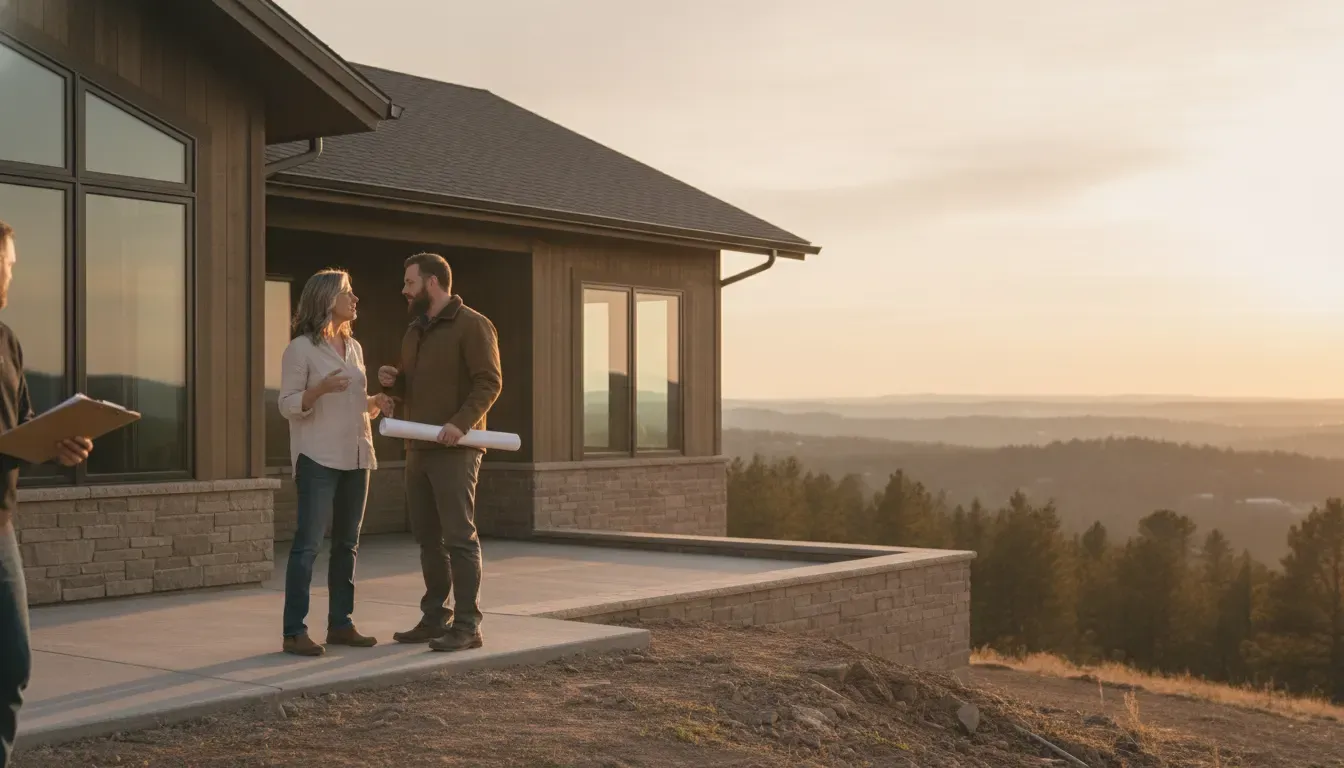
Prepare the site by making the relevant areas safe, accessible, and easy to inspect. The goal is not to make the property look perfect. The goal is to let the contractor see the conditions that will shape design, sequencing, materials, and site logistics.
Before the meeting, consider these practical steps:
- Clear a safe path to the work area, basement, crawl space, yard, driveway, or other locations connected with the project.
- Unlock gates and confirm that pets, vehicles, stored materials, and personal items will not prevent a basic inspection.
- Mark the approximate locations of private utilities, irrigation lines, septic components, wells, drain outlets, or other features you know about.
- Gather keys, access codes, survey markers, and contact information for a property manager or other person who may need to attend.
- Point out areas where water moves, snow collects, soil settles, or existing surfaces crack after seasonal changes.
- Tell the contractor about any access limitations, quiet hours, parking rules, delivery restrictions, or shared driveways.
Denver Metro Area properties can have meaningful differences in slope, soil, exposure, drainage, and neighborhood access. These details are not side notes. They can influence where a structure fits, how workers reach the site, how materials are staged, and which professionals or approvals may be needed next.
Which documents and examples are useful?
Bring documents and visual examples that explain your goals, not a large collection of unrelated inspiration. A contractor can give better feedback when the examples show what you like about the layout, material, function, or feeling of a space.
Useful examples may include:
- Photos of projects with a similar scale or use.
- Rough sketches showing how people should move through the space.
- Material examples that show texture, color, maintenance preferences, or architectural character.
- Lists of rooms, activities, storage needs, or accessibility concerns.
- Product information for items you already own or want to incorporate.
- Questions from other household members or property stakeholders.
For a remodel or addition, note what must remain in place and what may be changed. For an outdoor project, note sun exposure, views, privacy, seating, cooking, play, pets, and the connection between the house and yard. For a custom home or larger build, gather the information you have about the lot and identify which site questions remain unanswered.
Faros Construction Services can help connect these early ideas to the right service path. Review the Faros construction services overview if you are still deciding whether your project is best approached as home building and remodeling, concrete work, outdoor structures, hardscape and landscape work, or an integrated outdoor living space.
What questions should you ask the contractor?
The best consultation questions reveal how the project will be understood, organized, communicated, and verified. Ask questions that help you learn how the contractor approaches your specific property rather than relying only on general claims.
| Topic | Useful question | Why it matters |
|---|---|---|
| Project fit | Have you completed work with a similar scope or site condition? | Relevant experience can reveal practical issues early. |
| Site assessment | Which conditions should be investigated before design is finalized? | It identifies unknowns that may affect the plan. |
| Team roles | Who will manage communication, scheduling, quality checks, and specialized trades? | Clear responsibility reduces confusion during the work. |
| Approvals | Which permits, HOA reviews, drawings, or inspections may apply? | It helps establish a realistic sequence for the project. |
| Communication | How will decisions, changes, progress, and questions be documented? | Written clarity keeps the team aligned. |
| Next step | What information do you need before preparing the next recommendation? | It gives both sides a clear action after the meeting. |
You should also ask how the contractor handles situations that are not visible during an initial visit. A trustworthy answer will explain how the team investigates, communicates, documents, and resolves new information. You are not looking for a promise that nothing will change. You are looking for a process that makes decisions understandable.
How should you compare consultation conversations?
Compare consultations by the quality of the thinking and communication, not by the number of confident promises. The strongest conversation usually leaves you with a clearer project definition, a better understanding of the property’s constraints, and specific next steps.
After each meeting, record:
- What the contractor understood about your goals.
- Which site conditions they noticed or asked you to investigate.
- Whether the proposed path fits the property’s access, slope, drainage, and use.
- Who will be responsible for communication and project coordination.
- What information, drawings, approvals, or selections are needed next.
- How clearly the contractor explained uncertainties and decisions.
- Whether you felt heard and respected during the conversation.
A polished presentation is not enough. Look for careful questions, useful observations, realistic sequencing, and a communication style that suits the way you make decisions. If the consultation stays vague, ask for the next concrete step that would make the project easier to evaluate.
What Denver Metro Area planning issues deserve early attention?
Denver Metro Area construction consultations should address local site conditions and jurisdictional requirements early, especially when the project changes structures, drainage, grading, access, or the relationship between a home and its outdoor spaces.
Ask whether the project may involve:
- Local permits, inspections, or plan-review requirements.
- Setbacks, easements, lot coverage, height limits, or HOA design review.
- Freeze-thaw exposure, snow storage, drainage, soil movement, or slope transitions.
- Utility locations, delivery access, staging areas, and protection of existing features.
- Coordination between a home addition, deck, patio, retaining wall, landscape, or outdoor kitchen.
Requirements can vary by jurisdiction and project type. The City and County of Denver plan review, permits, and inspections resource is a useful starting point for Denver properties, but it does not replace project-specific guidance for another Denver Metro Area community.
What happens after the consultation?
After the consultation, the next step should be a clear summary of what was discussed, what still needs investigation, and which decisions come next. The right path may be a site assessment, design development, permit research, a written scope, or a follow-up meeting with additional decision-makers.
Before moving forward, confirm:
- The project goals and priorities are written in language everyone understands.
- The property conditions that need more investigation are identified.
- The team has agreed on who provides drawings, measurements, approvals, and selections.
- The sequence from planning to construction is explained at an appropriate level.
- The communication method and primary contact are clear.
- The next meeting, document, or decision has an owner and a target date.
For a deck, porch, or pergola project, the decks, pergolas, and porches service page can help you organize questions about outdoor structures and how they connect with the home. For a new home, addition, or major remodel, review the Faros home building and remodeling service path before the next conversation.
Frequently asked questions about construction consultations
Most people can prepare for a construction consultation with a short project brief, property photos, a list of questions, and an honest description of what they know and do not know. The contractor’s role is to help turn that starting point into an informed next step.
Do I need finished plans before meeting a contractor?
No. Early consultation is often most useful before every design detail is settled. Bring sketches, inspiration, measurements, or a written description of the result you want. A qualified contractor can help identify which details need professional design or engineering support.
What if I do not know which construction service I need?
Describe the problem, the desired result, and how you want to use the finished space. Faros Construction Services can discuss whether the project fits home building and remodeling, concrete, outdoor structures, hardscape and landscape work, or outdoor living services.
Should all decision-makers attend the consultation?
Anyone who will approve major scope, design, access, or scheduling decisions should attend when possible. If someone cannot attend, prepare their questions in advance and agree on how follow-up decisions will be shared.
What should I expect from the first meeting?
Expect a discussion of your goals, property conditions, project questions, possible constraints, and next steps. The first meeting may not answer every technical question. It should make the remaining questions more specific and establish how they will be addressed.
How do I prepare my property for a site visit?
Provide safe access to the relevant areas, unlock gates, secure pets, share known utility and drainage information, and point out conditions that change seasonally. Do not conceal difficult areas. Accurate site information helps the contractor plan responsibly.