
Planning a kitchen remodel in the Denver Metro Area is one of the most impactful investments you can make in your home. Whether you are updating a tired layout, upgrading outdated appliances, or transforming the entire space from the studs out, understanding your budget before you start is the single most important step you can take. This guide breaks down what Denver homeowners should expect to invest in a kitchen remodel in 2026, what drives those numbers up or down, and how to get the most value from every dollar.
Ready to start planning your kitchen remodel? Contact Faros Construction today at (720) 234-5946 for a free consultation and personalized estimate.
What Does a Kitchen Remodel Typically Run in Denver?
Kitchen remodels in the Denver Metro Area vary widely depending on the scope of work, material selections, and the condition of your existing space. Here is a general breakdown of what homeowners are investing in 2026:
- Minor Refresh (cosmetic updates): $15,000–$35,000. This typically includes new cabinet fronts or painting, updated countertops, modern hardware, and a fresh backsplash. The layout stays the same, and plumbing and electrical remain untouched.
- Mid-Range Remodel: $40,000–$75,000. This is the most popular range for Denver homeowners. It includes new cabinetry, quartz or granite countertops, updated appliances, new flooring, improved lighting, and minor layout adjustments.
- Full-Scale Renovation: $80,000–$150,000+. A complete transformation that may involve removing walls, relocating plumbing and electrical, custom cabinetry, premium appliances, and high-end finishes throughout.
These ranges reflect what we see across the Denver Metro Area in 2026. Your actual investment will depend on the specific choices you make and the complexity of the project.
What Factors Influence Your Kitchen Remodel Budget?

Every kitchen remodel is unique, and several factors determine where your project will fall within these ranges. Understanding these variables helps you make informed decisions and avoid surprises.
Size and Layout of the Kitchen
A 100-square-foot galley kitchen will require a very different investment than a 300-square-foot open-concept layout. Larger kitchens need more materials, more labor hours, and often more complex structural work. Changing the footprint of your kitchen, such as removing a wall to create an open floor plan, adds significant scope to the project.
Material Selections
The materials you choose have one of the biggest impacts on your overall investment. Here is how common material choices compare:
| Material Category | Budget-Friendly Option | Mid-Range Option | Premium Option |
|---|---|---|---|
| Countertops | Laminate ($20–$40/sq ft) | Quartz ($50–$90/sq ft) | Natural stone ($80–$150/sq ft) |
| Cabinetry | Stock cabinets ($100–$300/linear ft) | Semi-custom ($300–$650/linear ft) | Fully custom ($650–$1,200+/linear ft) |
| Flooring | Vinyl plank ($3–$7/sq ft) | Porcelain tile ($8–$15/sq ft) | Hardwood ($12–$25/sq ft) |
| Appliances | Standard package ($3,000–$6,000) | Mid-range package ($6,000–$12,000) | Professional-grade ($15,000–$30,000+) |
Structural and Mechanical Work
If your remodel involves moving plumbing lines, rerouting electrical circuits, or removing load-bearing walls, expect your investment to increase substantially. Structural work requires engineering assessments, permits, and specialized labor. In the Denver Metro Area, permits for structural modifications typically add $500–$2,500 to the project depending on the scope. If your kitchen remodel is part of a larger project that includes concrete work for a new foundation or slab, those elements add their own line items to the budget.
Labor and Contractor Expertise
Skilled labor in the Denver Metro Area reflects the region’s strong construction economy. A reputable general contractor with proper licensing, insurance, and a track record of quality work will deliver better results and fewer problems than the lowest bidder. Labor typically accounts for 35–40% of the total project investment.
Denver-Specific Considerations
Colorado’s climate and altitude create unique requirements for kitchen remodels. Ventilation systems need to account for Denver’s dry air and elevation. Certain adhesives, finishes, and paints cure differently at altitude, which experienced local contractors know how to manage. Building codes in the Denver Metro Area also have specific requirements for electrical, plumbing, and structural work that differ from national standards.
How to Plan Your Kitchen Remodel Budget
A well-planned budget is your best defense against surprises. Here is a step-by-step approach that Denver homeowners can follow.
Step 1: Define Your Goals and Non-Negotiables
Before you talk to a contractor, make a list of what matters most. Is it more storage? Better flow for entertaining? Updated appliances? Prioritizing your must-haves versus nice-to-haves allows you to allocate your budget where it matters most. For a detailed walkthrough of this process, see our guide on how to plan a kitchen remodel from start to finish.
Step 2: Set a Realistic Range
Based on the ranges above, determine a comfortable investment range for your household. A good rule of thumb is to invest 5–15% of your home’s current value in a kitchen remodel. For a $500,000 Denver home, that means a budget of $25,000–$75,000.
Step 3: Build in a Contingency Fund
Every experienced contractor will tell you the same thing: plan for the unexpected. We recommend setting aside 10–15% of your total budget as a contingency fund. Behind walls and under floors, older Denver homes often hide surprises like outdated wiring, water damage, or non-code-compliant plumbing that must be addressed once exposed.
Step 4: Get Multiple Estimates
Talk to at least three licensed contractors in the Denver Metro Area. Compare not just the bottom-line numbers, but also the scope of work, timeline, materials specified, and warranty coverage. The most detailed estimate is usually the most reliable.
Need a detailed estimate for your kitchen remodel? Schedule a free consultation with Faros Construction and get a clear picture of what your project will involve.
Where Does the Money Go? A Kitchen Remodel Budget Breakdown
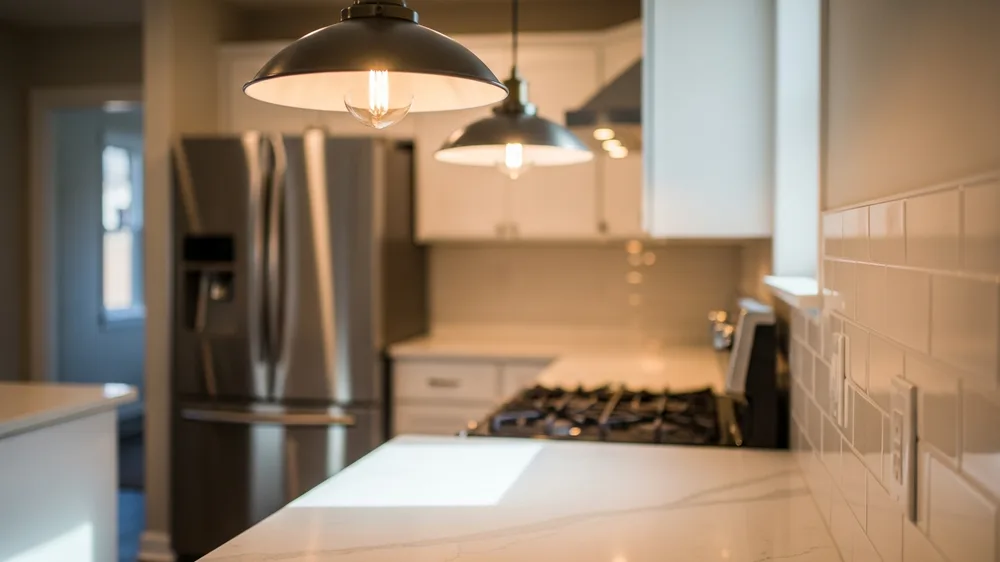
Understanding how your investment is distributed helps you see where adjustments can be made. Here is a typical allocation for a mid-range Denver kitchen remodel:
- Cabinetry and hardware: 30–35%
- Countertops and backsplash: 10–15%
- Appliances: 10–15%
- Flooring: 5–8%
- Plumbing and fixtures: 5–8%
- Electrical and lighting: 5–8%
- Labor (installation): 20–25%
- Design, permits, and miscellaneous: 5–10%
Cabinetry is almost always the largest single line item. If you are looking to save without sacrificing quality, consider refacing existing cabinets instead of replacing them entirely, or choosing semi-custom options that offer the look of custom at a lower investment.
How Long Does a Kitchen Remodel Take in Denver?
Timeline expectations are closely tied to budget. Larger, more complex projects take longer. Here is what Denver homeowners typically experience:
- Minor refresh: 2–4 weeks
- Mid-range remodel: 6–10 weeks
- Full-scale renovation: 12–20 weeks
These timelines assume that permits are in hand, materials are ordered in advance, and no major surprises emerge during demolition. Denver’s permit process can add 2–4 weeks depending on the jurisdiction and the scope of your project.
Working with an experienced local contractor who knows the Denver permitting process can save you significant time. At Faros Construction, we handle all permit applications and inspections so you do not have to navigate the bureaucracy on your own.
Should You Remodel Your Kitchen or Start a Full Home Renovation?
One of the biggest decisions Denver homeowners face is whether to tackle the kitchen on its own or combine it with a broader home building and remodeling project. If your home needs updates in multiple areas, bundling projects can sometimes reduce overall labor and mobilization expenses, since your contractor is already on-site.
For advice on finding the right partner for your project, see our guide on choosing a home addition contractor in Denver.
For example, many homeowners who remodel their kitchen also choose to update an adjacent bathroom at the same time, especially when plumbing lines are already being modified. Others take the opportunity to add outdoor living spaces like a deck or patio, creating a seamless indoor-outdoor entertaining flow that increases both enjoyment and property value.
Planning an outdoor upgrade? Compare your options in our composite vs wood decking guide.
If you are unsure whether a standalone kitchen remodel or a phased whole-home approach makes more sense for your situation, an experienced general contractor can help you evaluate your options and create a plan that fits your timeline and budget.
How to Maximize Return on Your Kitchen Remodel Investment
A kitchen remodel is not just about enjoying a better space today. It is also one of the highest-ROI home improvements you can make. According to national remodeling data, a mid-range kitchen remodel recoups approximately 75–80% of the investment at resale, and in competitive Denver Metro Area neighborhoods, that number can be even higher.
Here are strategies to maximize your return:
- Focus on layout efficiency. An improved layout adds more perceived value than expensive finishes in a poorly designed space.
- Choose timeless over trendy. Shaker-style cabinets, neutral quartz countertops, and classic tile backsplashes hold their appeal longer than ultra-trendy choices.
- Invest in quality where it counts. Durable countertops, solid cabinetry, and reliable appliances deliver long-term value. Save on decorative items that are easy to swap later.
- Do not over-improve for your neighborhood. If surrounding homes in your Denver neighborhood have $40,000 kitchens, a $150,000 remodel may not return its full investment at resale.
Frequently Asked Questions About Kitchen Remodels in Denver
How much should I budget for a kitchen remodel in Denver?
Most Denver homeowners invest between $40,000 and $75,000 for a mid-range kitchen remodel in 2026. Minor cosmetic updates start around $15,000, while full-scale renovations with custom finishes and layout changes can exceed $150,000. The right budget depends on the size of your kitchen, the materials you choose, and the scope of work involved.
How long does a kitchen remodel take from start to finish?
A typical mid-range kitchen remodel in the Denver Metro Area takes 6–10 weeks from demolition to completion. Smaller cosmetic updates may be finished in 2–4 weeks, while large-scale renovations involving structural work can take 12–20 weeks. Permitting, material lead times, and weather can all affect the schedule.
Do I need a permit for a kitchen remodel in Denver?
Yes, most kitchen remodels in the Denver Metro Area require permits, especially if the project involves electrical, plumbing, or structural modifications. Cosmetic updates like painting or replacing hardware typically do not require permits. Your general contractor should handle the permitting process as part of the project scope.
What is the best time of year to start a kitchen remodel in Denver?
Late winter and early spring (February through April) are popular times to start a kitchen remodel in Denver because contractors typically have more availability, and projects can be completed before the busy summer season. However, a well-planned remodel can be started any time of year with the right contractor. Many Denver homeowners also use the fall months to plan and finalize designs, locking in contractor availability before the spring rush begins.
Can I live in my home during a kitchen remodel?
In most cases, yes. For minor refreshes and mid-range remodels, you can typically stay in your home throughout the project. You will need a temporary kitchen setup with a microwave, mini fridge, and access to a sink in another room. For full-scale renovations that involve extensive demolition or utility shutoffs lasting several days, some homeowners choose to stay elsewhere for the most disruptive phases.
How do I choose the right contractor for my kitchen remodel?
Look for a licensed, insured general contractor with experience in kitchen remodels in the Denver Metro Area. Check online reviews, ask for references from recent projects, review their portfolio, and ensure they provide a detailed written estimate. Communication style and transparency are just as important as technical skill.
Take the Next Step Toward Your Dream Kitchen
A kitchen remodel is one of the most rewarding investments you can make in your Denver home. With clear planning, a realistic budget, and the right construction partner, you can transform your kitchen into a space that works beautifully for your family and adds lasting value to your property.
At Faros Construction, we specialize in kitchen remodeling throughout the Denver Metro Area. Ricardo Alfaro personally oversees every project, ensuring quality craftsmanship, transparent communication, and results that exceed expectations. Whether you are planning a simple refresh or a full-scale renovation, we are here to guide you through every step.
Contact Faros Construction today at (720) 234-5946 to schedule your free consultation and start planning the kitchen you have always wanted.
{“@context”: “https://schema.org”, “@type”: “FAQPage”, “mainEntity”: [{“@type”: “Question”, “name”: “How much should I budget for a kitchen remodel in Denver?”, “acceptedAnswer”: {“@type”: “Answer”, “text”: “Most Denver homeowners invest between $40,000 and $75,000 for a mid-range kitchen remodel in 2026. Minor cosmetic updates start around $15,000, while full-scale renovations with custom finishes and layout changes can exceed $150,000.”}}, {“@type”: “Question”, “name”: “How long does a kitchen remodel take from start to finish?”, “acceptedAnswer”: {“@type”: “Answer”, “text”: “A typical mid-range kitchen remodel in the Denver Metro Area takes 6-10 weeks from demolition to completion. Smaller cosmetic updates may be finished in 2-4 weeks, while large-scale renovations can take 12-20 weeks.”}}, {“@type”: “Question”, “name”: “Do I need a permit for a kitchen remodel in Denver?”, “acceptedAnswer”: {“@type”: “Answer”, “text”: “Yes, most kitchen remodels in the Denver Metro Area require permits, especially if the project involves electrical, plumbing, or structural modifications.”}}, {“@type”: “Question”, “name”: “What is the best time of year to start a kitchen remodel in Denver?”, “acceptedAnswer”: {“@type”: “Answer”, “text”: “Late winter and early spring (February through April) are popular times to start because contractors typically have more availability.”}}, {“@type”: “Question”, “name”: “How do I choose the right contractor for my kitchen remodel?”, “acceptedAnswer”: {“@type”: “Answer”, “text”: “Look for a licensed, insured general contractor with experience in kitchen remodels in the Denver Metro Area. Check online reviews, ask for references, and ensure they provide a detailed written estimate.”}}, {“@type”: “Question”, “name”: “Can I live in my home during a kitchen remodel?”, “acceptedAnswer”: {“@type”: “Answer”, “text”: “In most cases, yes. For minor refreshes and mid-range remodels, you can typically stay in your home. For full-scale renovations, some homeowners choose to stay elsewhere for the most disruptive phases.”}}]}