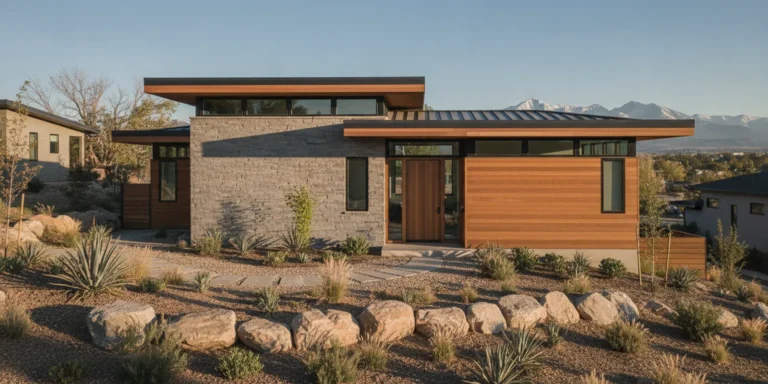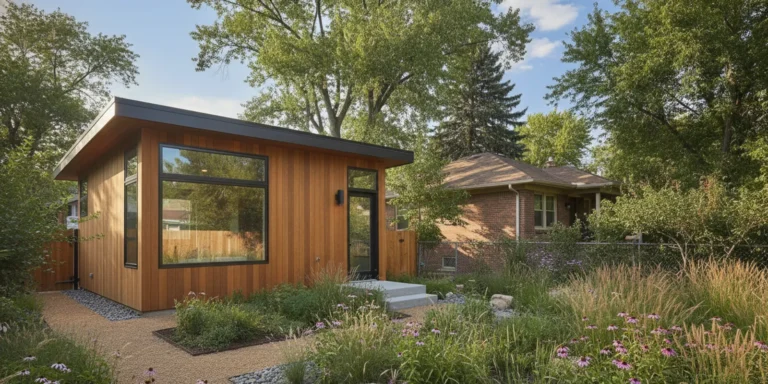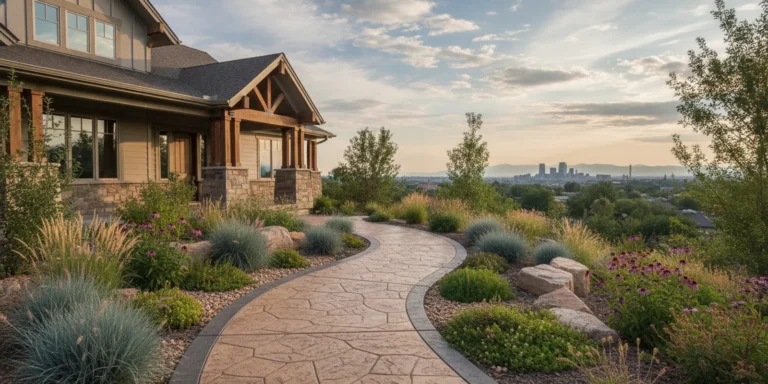

Denver homeowners are embracing outdoor kitchens as one of the most rewarding additions to their properties. Whether you envision a simple grilling station on your patio or a fully equipped cooking and dining area, building an outdoor kitchen transforms how you use your backyard. In this guide, we walk through everything you need to plan and build your ideal outdoor kitchen in the Denver Metro Area.
Ready to bring your outdoor kitchen vision to life? Contact Faros Construction for a free estimate, or call us at (720) 594-5604.
What Does an Outdoor Kitchen Include?
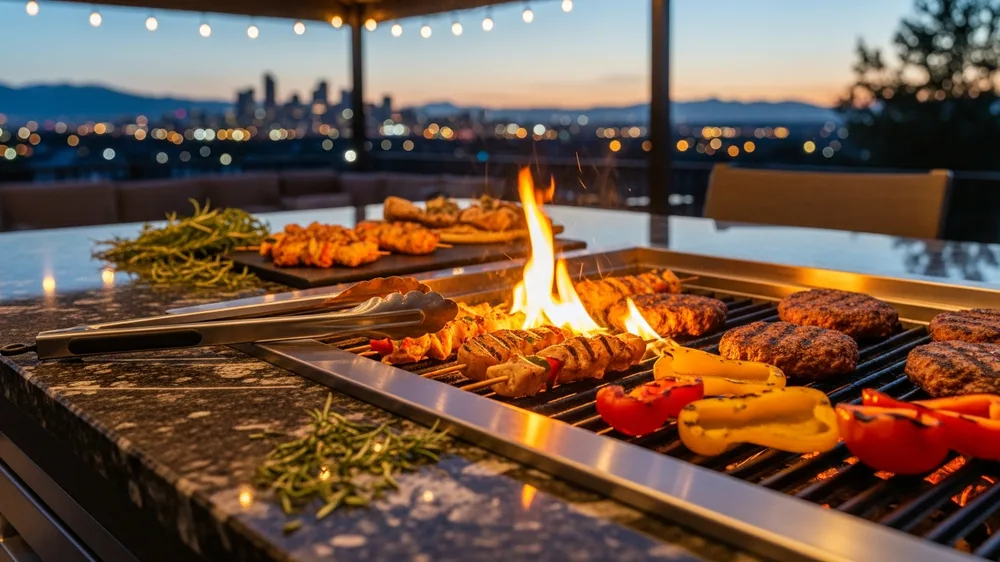
An outdoor kitchen can be as simple or elaborate as you want. At its core, it is a designated area in your backyard designed for cooking, dining, and entertaining. Most outdoor kitchens in Denver include some combination of the following features:
- Built-in grill or cooktop — the centerpiece of any outdoor kitchen
- Countertops and prep space — natural stone, granite, or concrete surfaces that handle weather
- Cabinetry and storage — weather-resistant cabinets for utensils, spices, and supplies
- Sink with running water — makes food prep and cleanup convenient
- Refrigeration — outdoor-rated fridges keep beverages and ingredients cold
- Seating and dining area — bar seating, a dining table, or both
- Shade structures — pergolas, pavilions, or retractable awnings for comfort
- Lighting — task lighting over the grill and ambient lighting for evening gatherings
Larger builds may also feature pizza ovens, smokers, ice makers, beverage stations, fire features, and built-in sound systems. The key is designing a layout that matches how your household actually cooks and entertains.
Why Is Denver a Great Location for an Outdoor Kitchen?
Denver’s 300+ days of sunshine per year make it one of the best cities in the country for outdoor living. The dry climate, mild spring and fall seasons, and long summer evenings create ideal conditions for cooking outside. However, Denver’s unique climate also requires thoughtful planning:
- Altitude and UV exposure — materials fade faster at 5,280+ feet. UV-resistant finishes and weather-rated appliances are essential.
- Freeze-thaw cycles — Denver temperatures can swing 40+ degrees in a single day. Countertops, plumbing, and foundations need to handle expansion and contraction.
- Snow loads — any overhead structures like pergolas or pavilions should be engineered for Colorado snow.
- Dry air — wood elements need sealing and maintenance to prevent cracking.
A contractor who understands these conditions will design a kitchen that lasts decades, not just a few seasons. Faros Construction has spent 30+ years building in the Denver Metro Area and engineers every outdoor project for Colorado’s demanding climate.
How Do You Plan the Layout of an Outdoor Kitchen?
Layout planning is the most critical step. A well-designed outdoor kitchen flows naturally between cooking, serving, and dining zones. Here are the layout styles most popular with Denver homeowners:
L-Shaped Layout
The most common design. One arm houses the grill and prep space, while the perpendicular arm provides bar seating or a serving counter. This layout works well in medium-sized backyards and keeps the cook facing guests.
U-Shaped Layout
Wraps around three sides, creating a defined cooking zone with maximum counter space. Ideal for larger patios and homeowners who entertain frequently. This layout naturally accommodates a sink, grill, and side burner without crowding.
Linear (Straight) Layout
A single countertop run against a wall or fence. Best for compact spaces, narrow patios, or as an addition alongside a deck or pergola. Simple to build and budget-friendly.
Island Layout
A freestanding kitchen island, often with a grill on one side and seating on the other. Popular for open backyards where you want the cook at the center of the action.
Pro tip: Always position the grill so smoke blows away from seating and your home. In Denver, prevailing winds generally come from the west, so orient accordingly.
Planning your layout and want professional guidance? Faros Construction designs custom outdoor kitchens tailored to your property and entertaining style. Get a free consultation.
What Materials Work Best for Denver Outdoor Kitchens?
Material selection makes or breaks an outdoor kitchen in Colorado. Here is what holds up best in our climate:
Countertops
- Granite — durable, heat-resistant, and handles UV well. The top choice for Denver outdoor kitchens.
- Concrete — customizable in color and shape. Requires sealing but offers a modern look.
- Quartzite — natural stone alternative to quartz (which should not be used outdoors due to UV sensitivity).
- Tile — budget-friendly option. Use porcelain for freeze-thaw resistance; avoid ceramic.
Structural Framework
- Concrete block (CMU) — the gold standard for outdoor kitchen bases. Fireproof, moisture-resistant, and structurally sound.
- Steel framing — lightweight and fast to assemble. Must be properly weatherproofed.
- Stone veneer over block — combines the strength of CMU with the aesthetic appeal of natural stone.
Cabinetry
- Stainless steel — best for longevity. Handles moisture, UV, and temperature swings without warping.
- Marine-grade polymer — a newer option that resists moisture and fading. No metal corrosion concerns.
- Avoid: standard wood cabinetry, MDF, or particle board. These fail quickly in outdoor environments.
Flooring and Surrounding Hardscape
Your outdoor kitchen needs a solid foundation. Paver patios are the most popular base for Denver outdoor kitchens, offering excellent drainage and a refined appearance. Stamped concrete and natural stone are also strong options.
How Much Should You Budget for an Outdoor Kitchen in Denver?
Outdoor kitchen projects vary widely depending on scope, materials, and features. Rather than quoting a fixed number, here is a general framework Denver homeowners use to plan:
|—|—|—|
| Project Level | Scope | Typical Investment Range |
|---|---|---|
| Basic | Built-in grill, countertop, small prep area | $10,000 – $20,000 |
| Mid-Range | Grill, sink, fridge, stone countertops, seating | $20,000 – $45,000 |
| High-End | Full kitchen with pizza oven, multiple appliances, pergola, lighting | $45,000 – $80,000+ |
Several factors influence where your project falls within these ranges:
- Appliance quality — a basic grill vs. a commercial-grade setup
- Materials — granite countertops vs. tile; stainless cabinetry vs. polymer
- Utilities — running gas, water, and electrical to the site
- Site conditions — grading, drainage, and access to existing utilities
- Permits — Denver requires permits for gas lines, electrical, and structures over a certain size
The best approach is to establish your must-haves early and get a detailed estimate from an experienced contractor. Faros Construction provides transparent, itemized estimates with no hidden fees.
What Permits Do You Need in Denver?
Most outdoor kitchen installations in Denver require at least one permit. Here is what to expect:
- Building permit — required if you are constructing a permanent structure (counters, walls, overhead covers)
- Gas permit — required for any natural gas or propane line installation
- Electrical permit — required for hardwired lighting, outlets, or appliance circuits
- Plumbing permit — required if you are adding a sink with running water
The City of Denver’s Development Services department handles permitting. A licensed general contractor will pull these permits on your behalf, schedule inspections, and ensure everything meets code. This is one of the key reasons to work with an established contractor rather than attempting a DIY approach for anything beyond a simple portable grill setup.
How Long Does an Outdoor Kitchen Installation Take?
Timeline depends on project complexity, but here are general ranges for Denver projects:
- Simple grill island: 1-2 weeks
- Mid-range kitchen with utilities: 3-5 weeks
- Full custom kitchen with pergola and hardscape: 6-10 weeks
Factors that extend timelines include permit processing (typically 2-4 weeks in Denver), custom material lead times, weather delays, and coordination of multiple trades (plumbing, electrical, gas, masonry).
Denver-specific tip: Schedule your project to start in late winter or early spring. This positions your kitchen for completion before Memorial Day when outdoor entertaining season peaks. Contractors are also generally more available from February through April than during the peak summer months.
What Should You Look for in an Outdoor Kitchen Contractor?
Not every contractor has the experience needed for outdoor kitchen work. This type of project combines structural construction, hardscaping, plumbing, electrical, and gas work. Here is what to evaluate:
- Licensed general contractor — Colorado requires a contractor’s license for this scope of work
- Relevant portfolio — ask to see completed outdoor kitchen projects, not just general construction
- Local experience — a contractor who builds in the Denver Metro Area understands local codes, climate requirements, and permitting
- Reviews and references — look for consistent positive feedback across Google, Yelp, and the BBB
- Detailed written estimates — a quality contractor provides line-item breakdowns, not vague ballpark numbers
- Warranty — ask about workmanship warranties and appliance manufacturer warranties
Faros Construction brings 30+ years of Denver Metro experience and 247+ five-star reviews from homeowners who trust us with their biggest projects. We handle every phase of your outdoor kitchen, from design and permitting to construction and final walkthrough.
How Do You Maintain an Outdoor Kitchen in Colorado?
Once your outdoor kitchen is built, proper maintenance keeps it performing and looking great for years:
Seasonal Tasks
- Spring: Inspect all appliances, check gas connections, clean grilling surfaces, reseal countertops if needed
- Summer: Clean regularly after each use, check drain lines, inspect for UV damage
- Fall: Winterize plumbing (drain water lines before the first freeze), cover appliances, clean out cabinets
- Winter: Keep snow off countertops and structures, avoid using ice melt chemicals near stone surfaces
Ongoing Maintenance
- Seal granite and concrete countertops annually
- Oil stainless steel surfaces to prevent water spotting
- Check and tighten hardware on cabinets and drawers
- Inspect gas connections annually (or hire a professional for gas safety checks)
- Clean paver surfaces surrounding your kitchen and reseal every 2-3 years
Proper winterization is the single most important maintenance task for Denver outdoor kitchens. Frozen water lines and cracked countertops are avoidable with simple end-of-season preparation.
Frequently Asked Questions About Outdoor Kitchens in Denver
Can you build an outdoor kitchen on a deck?
Yes, but the deck must be structurally reinforced to support the weight of countertops, appliances, and guests. A structural assessment is recommended before adding a kitchen to an existing deck.
Do outdoor kitchens increase home value?
Outdoor kitchens are consistently ranked among the highest-ROI outdoor improvements. In Denver’s competitive housing market, a well-built outdoor kitchen can recoup 60-80% of its investment at resale while significantly improving quality of life.
Is natural gas or propane better for outdoor kitchens?
If your home has a natural gas line, extending it to your outdoor kitchen is typically the most convenient and economical long-term choice. Propane is a good alternative for properties without natural gas access or for homeowners who want a portable setup.
Can you use an outdoor kitchen year-round in Denver?
Many Denver homeowners use their outdoor kitchens 8-10 months per year. Adding a pergola, patio heaters, or a stone fire pit nearby extends the season well into fall and even winter for dedicated outdoor enthusiasts.
Start Planning Your Denver Outdoor Kitchen
An outdoor kitchen is more than a grill and some countertops. It is a permanent upgrade to your home that changes how you live, cook, and entertain. With the right design, materials, and contractor, your kitchen will handle everything Denver’s climate throws at it for decades.
Faros Construction has designed and built outdoor living contractor homeowners rely on across the Denver Metro Area for over 30 years, including projects in Arvada, Aurora, and throughout the Front Range. Our 247+ five-star reviews reflect our commitment to quality craftsmanship and homeowner satisfaction on every project.
Ready to get started? Contact Faros Construction for a free outdoor kitchen consultation, or call Ricardo directly at (720) 594-5604. We will visit your property, discuss your vision, and provide a detailed estimate with no obligation.
{“@context”: “https://schema.org”, “@type”: “FAQPage”, “mainEntity”: [{“@type”: “Question”, “name”: “Can you build an outdoor kitchen on a deck?”, “acceptedAnswer”: {“@type”: “Answer”, “text”: “Yes, but the deck must be structurally reinforced to support the weight of countertops, appliances, and guests. A structural assessment is recommended before adding a kitchen to an existing deck.”}}, {“@type”: “Question”, “name”: “Do outdoor kitchens increase home value?”, “acceptedAnswer”: {“@type”: “Answer”, “text”: “Outdoor kitchens are consistently ranked among the highest-ROI outdoor improvements. In Denver’s competitive housing market, a well-built outdoor kitchen can recoup 60-80% of its investment at resale.”}}, {“@type”: “Question”, “name”: “Is natural gas or propane better for outdoor kitchens?”, “acceptedAnswer”: {“@type”: “Answer”, “text”: “If your home has a natural gas line, extending it to your outdoor kitchen is typically the most convenient and economical long-term choice. Propane is a good alternative for properties without natural gas access.”}}, {“@type”: “Question”, “name”: “Can you use an outdoor kitchen year-round in Denver?”, “acceptedAnswer”: {“@type”: “Answer”, “text”: “Many Denver homeowners use their outdoor kitchens 8-10 months per year. Adding a pergola, patio heaters, or a stone fire pit extends the season into fall and winter.”}}]}